Car Auctions: 4 Types And Expert Bidding Tips
Master the art of scoring deals at car auctions with expert strategies for beginners and pros alike.

Car auctions offer a thrilling opportunity to acquire vehicles at potentially lower prices than traditional dealerships. These events bring together sellers and buyers in competitive bidding environments, often featuring everything from everyday sedans to luxury models. Whether online or in-person, understanding the mechanics can lead to significant savings, but success demands preparation and knowledge.
Demystifying the Car Auction Landscape
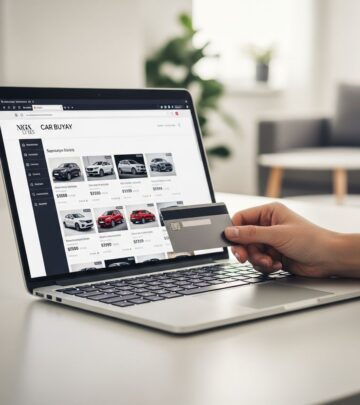
Auctions function through competitive bidding where participants vie for vehicles by offering progressively higher amounts. The process starts with a base price, and bids escalate until no higher offers remain, at which point the highest bidder claims the car if it meets the seller’s reserve. Platforms provide visual cues, like color changes indicating when bids surpass minimum thresholds, helping bidders gauge their chances in real time.
Two primary formats dominate: live in-person gatherings and digital platforms. Physical auctions allow hands-on inspections but require travel, while online versions offer convenience with timed or simulcast bidding, where auctions run for fixed periods or mimic live events remotely. Both demand quick decisions amid rising competition.
Types of Car Auctions Available Today
Not all auctions suit every buyer. Public auctions welcome individuals with basic registration, often featuring repossessed or fleet vehicles. Dealer-only events restrict access to licensed professionals, offering wholesale pricing on high-volume lots. Government and police auctions dispose of seized assets, sometimes yielding unique finds, though conditions vary widely. Online hybrids blend accessibility with professional oversight, ideal for remote participants.
| Auction Type | Access | Typical Inventory | Pros | Cons |
|---|---|---|---|---|
| Public | Open to all | Repossessions, trade-ins | Easy entry, potential bargains | Higher competition |
| Dealer-Only | License required | Wholesale lots | Lower prices | Restricted access |
| Government | Public often | Seized vehicles | Unique items | Unpredictable quality |
| Online | Account needed | Mixed | Convenience | No physical inspection |
Preparing for Your Auction Adventure
Success begins long before bidding starts. Research platforms like Autopoint or RideSafely to understand their rules, fees, and inventory. Set a firm budget accounting for not just the bid but also taxes, fees (often 5-10% of the sale price), transport, and repairs. Obtain financing pre-approval if needed, as some auctions demand quick payments.
- Review Listings Early: Study photos, mileage, and descriptions days in advance.
- Check Vehicle History: Use services like Carfax or AutoCheck for accident reports, liens, and odometer readings.
- Assess Market Value: Compare against Kelley Blue Book or similar tools to avoid overpaying.
- Plan Logistics: Arrange towing or transport, especially for distant pickups.
Navigating the Registration Process
Entry requires completing registration, which verifies your legitimacy. For online platforms, create an account with personal details, ID scans, and sometimes a refundable deposit (e.g., $500-$2000) to deter non-serious bidders. In-person events may need driver’s license, proof of insurance, and cash for fees.
Dealers face stricter rules, submitting licenses and business docs. Always confirm deadlines—some auctions close registration hours before start. Once approved, you’ll receive bidder numbers or login credentials, unlocking access to previews and bids.
Mastering Vehicle Inspections and Evaluations
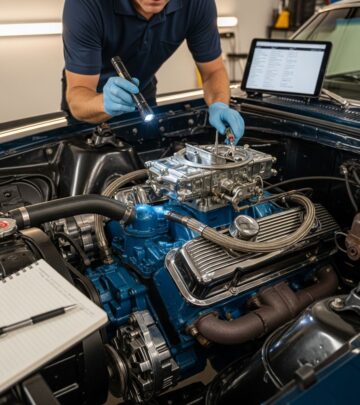
Physical checks reveal truths photos hide. During preview periods (often 1-2 days pre-auction), examine exteriors for dents, interiors for wear, and test engines if permitted. Probe odometers, tires, brakes, and fluids. For online buys, scrutinize condition reports detailing mechanical issues, body damage, and service history.
Hire a mechanic for complex vehicles; their $100-200 fee prevents costlier surprises. Red flags include rust, fluid leaks, mismatched panels, or salvage titles signaling past wrecks.
Strategic Bidding Techniques for Victory
Bidding blends psychology and discipline. Observe early rounds to gauge competition—aggressive bidders often drop out. Employ ‘sniping’: wait until final seconds to bid, minimizing counteroffers, especially in timed online formats where extensions (e.g., 15 seconds) apply.
Stick to your max bid; auctions move fast, with vehicles sometimes sold in under a minute. Use proxy bidding on platforms allowing automated increases up to your limit. Visual indicators (green for viable, yellow for negotiation) guide decisions.
- Enter late if possible to avoid driving up prices.
- Bid confidently but incrementally.
- Ignore emotional highs; walk away if over budget.
What Happens After Your Winning Bid
Winning triggers immediate action. Pay a deposit (10-20% often) on-site or instantly online, with full settlement due in 24-48 hours via wire, check, or cash. Receive invoices detailing fees, then handle paperwork: titles, bills of sale, and emissions if required.
Pickup timelines are tight—delays incur storage charges ($50+/day). Arrange transport promptly; many auctions partner with haulers. Secure insurance before driving, as auction vehicles typically lack coverage.
Hidden Costs and Financial Realities
Beyond bids, anticipate buyer’s premiums (5-15%), taxes (varies by state), gates fees, and repairs (auction cars average $1000+ fixes). Transport adds $200-1000 depending on distance. Budget 20-30% above your max bid for totals.
Financing options exist via partners, but rates exceed dealerships. Cash kings rule some venues, emphasizing liquidity needs.
Frequently Asked Questions
Can anyone attend a car auction?
Public auctions yes, with registration. Dealer auctions require licenses.
Are auction cars reliable?
Many are, but inspect thoroughly—many sell as-is with no warranties.
How do I pay at an auction?
Cash, checks, wires typically; full payment in 1-2 days.
What if my bid doesn’t meet reserve?
Auctions may negotiate or relist; yellow indicators signal this.
Do I need to transport the car myself?
Often yes; plan ahead to avoid fees.
Common Mistakes and How to Dodge Them
Overbidding tops the list—emotions cloud judgment. Skipping inspections leads to lemons. Ignoring fees inflates costs. Newbies chase low starters, forgetting reserves. Counter by researching, setting alerts, and attending as observer first.
Legal pitfalls: Verify titles for liens; some states mandate dealer flips. Online scams lurk—stick to reputable sites.
Advanced Tips for Seasoned Bidders
Join bidder networks for intel. Track seasonal trends—winter yields deals on convertibles. Bundle buys for discounts. Use apps for real-time alerts. Post-purchase, detail and certify for resale value.
References
- How to Buy a Car at an Auction: A Step-by-Step Guide — Autopoint. 2024. https://autopoint.eu/news/how-to-buy-a-car-at-an-auction
- Car Auctions: Essential Bidding Guide & Tips 2024 — RideSafely. 2024. https://auction.ridesafely.com/2024-car-auction-bidding-tips/
- What is a Public Auction? A Beginner’s Guide to Buying Cars — Focus2Move. 2024. https://www.focus2move.com/what-is-a-public-auction-a-beginners-guide-to-buying-cars/
- How Do Car Auctions Work Online? A Beginner’s Guide — AuctionStreaming. 2024. https://auctionstreaming.com/how-do-car-auctions-work-online
- How to Buy Cars at Auctions — Nationwide. 2024. https://www.nationwide.com/lc/resources/auto-insurance/articles/how-to-buy-cars-at-auctions
- Complete Guide to US Auto Auctions: Tips to Buy & Strategies [2025] — WC Shipping. 2025. https://www.wcshipping.com/blog/complete-guide-to-car-auctions-types-tips-strategies-2025
Similar Articles








Read full bio of Sneha Tete