Undefined Chargeback Cancellation: 3 Key Steps For Cardholders
Discover practical methods to halt a chargeback process early, protecting merchants and customers from unnecessary disputes.
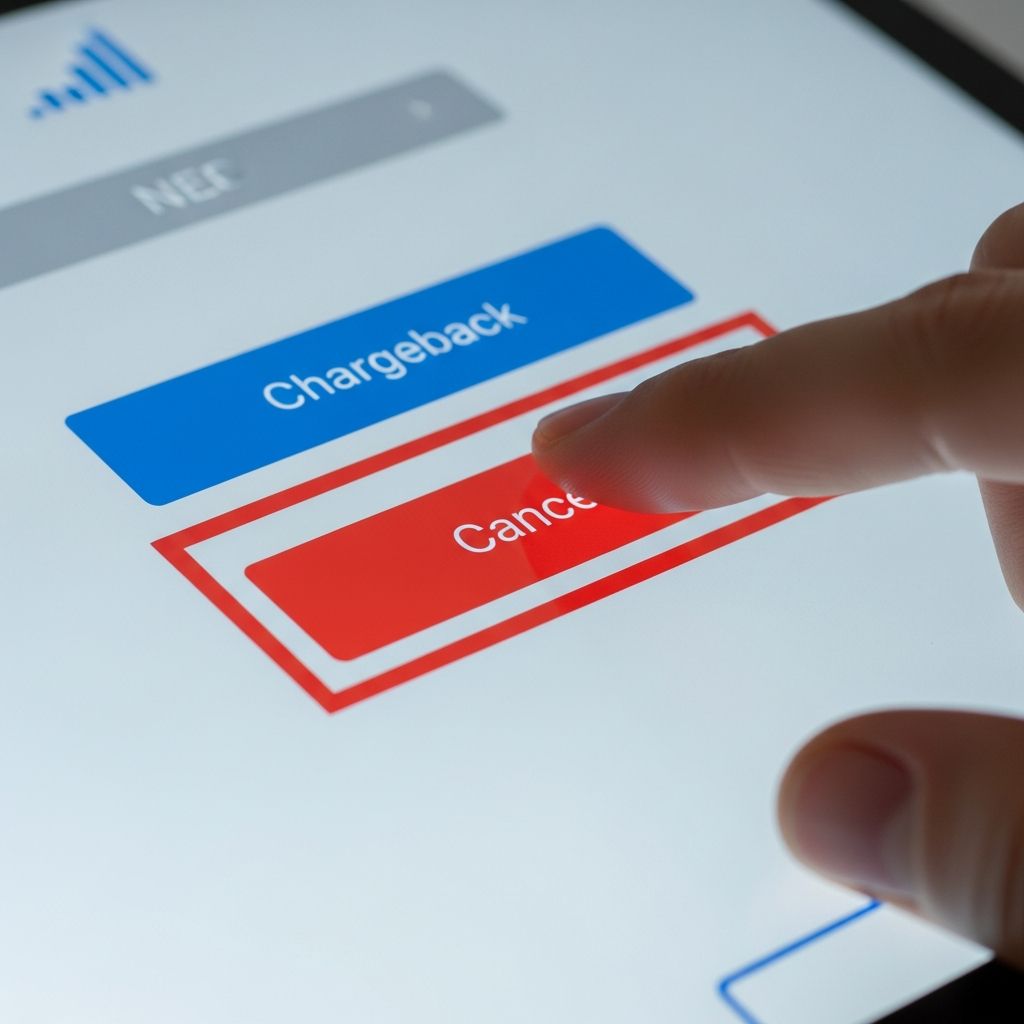
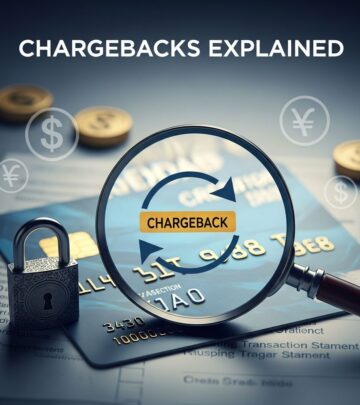
Canceling a chargeback involves stopping the dispute process before it advances, typically by the cardholder withdrawing the claim or through merchant intervention. This action restores the original transaction without entering formal representment or arbitration phases.
Understanding Chargeback Cancellation Basics
A chargeback cancellation differs from a successful dispute defense; it halts the process entirely, often in its initial review stage. Cardholders can request withdrawal directly from their issuing bank, while merchants may facilitate by resolving underlying issues like confusion over a charge or delivery delays. Early action is critical, as windows narrow once banks process the claim.
Common triggers include buyer remorse reversal, merchant refunds, or bank error detection. Networks like Visa and Mastercard outline specific protocols, emphasizing speed to avoid fund holds or fees.
Reasons Why Chargebacks Get Canceled
- Buyer Regret or Misidentification: Customers file hastily, later recognizing legitimate charges, prompting quick withdrawal requests.
- Merchant Resolution: Direct communication leading to refunds or clarifications encourages customers to notify their bank.
- Bank or Network Errors: Issuers spot procedural issues and self-reverse before acquirer involvement.
These scenarios highlight that most cancellations occur pre-representment, preserving merchant chargeback ratios.
Step-by-Step Guide for Cardholders
- Contact Your Bank Immediately: Call the number on your card statement. Explain the dispute was erroneous and request cancellation. Provide transaction details for verification.
- Submit Written Confirmation if Required: Some banks need a signed letter or email stating the withdrawal reason.
- Monitor Account Status: Confirm the chargeback status updates; funds return to the merchant promptly upon approval.
Success hinges on timing—act within days of filing, before bank decisions solidify.
Merchant Strategies to Prompt Cancellations
Merchants notified of disputes should respond swiftly. Offer refunds where valid, supply order proofs like emails or tracking, and guide customers to contact their bank. Tools like chargeback cancellation letters from processors strengthen requests.
| Strategy | Benefit | Timing |
|---|---|---|
| Proactive Customer Outreach | Builds trust, encourages voluntary withdrawal | Within 24-48 hours |
| Refund Issuance | Resolves issue without bank involvement | Pre-finalization |
| Documentation Sharing | Clarifies transaction legitimacy | Immediate |
Avoid direct refunds post-notice to prevent double payment risks.
Network-Specific Cancellation Rules
Each card network governs reversals differently, affecting feasibility.
Visa Protocols
Visa permits issuer reversals pre-representment via Visa Resolve Online (VROL), enabling rapid data exchange for consensus-based halts.
Mastercard Procedures
Mastercard allows “chargeback reversal before arbitration” for withdrawals or errors, with compliance checks for filing irregularities.
American Express and Discover
As combined issuers and networks, these facilitate faster cancellations through direct customer outreach.
Challenges and Limitations in Reversals
Not all chargebacks qualify for cancellation. Post-representment, processes advance to arbitration, incurring fees and reducing reversal odds. Merchant records may retain logs impacting ratios, even if funds restore. Cardholders might need proof like merchant emails.
Pre-dispute alerts from services like Ethoca or Verifi enable “deflection”—refunds averting formal chargebacks altogether.
Preventive Measures for Future Disputes
- Implement pre-authorization holds to verify funds and deter disputes.
- Adopt fraud detection to flag high-risk transactions.
- Use alert services strategically for low-value, clear-cut cases.
These reduce overall exposure, maintaining healthy ratios.
Frequently Asked Questions
Can a chargeback be canceled after a refund?
Yes, if not finalized, customers can request withdrawal post-refund with bank confirmation.
How long to reverse a chargeback?
Typically days from initiation, varying by network before representment.
Does a canceled chargeback affect merchant records?
Possibly; processors may log for ratio purposes despite fund return.
Is proof needed for cardholder reversal?
Often verbal suffices, but letters or merchant notes bolster cases.
Can chargebacks be prevented pre-filing?
Yes, via alerts and proactive refunds called deflection.
Best Practices Summary
Swift communication, documentation, and network awareness maximize cancellation success. Merchants benefit from automation tools, while cardholders gain from direct bank engagement.
References
- Can a Chargeback Be Reversed After It’s Filed? — Chargeblast. 2023. https://chargeblast.com/blog/can-a-chargeback-be-reversed
- How to Stop Chargebacks? A Merchant’s Guide — Justt. 2023. https://justt.ai/blog/stop-chargebacks/
- Respond to a chargeback — Intuit QuickBooks. 2025. https://quickbooks.intuit.com/learn-support/en-us/help-article/banking/handle-chargebacks-retrieval-requests-quickbooks/L8fuy32I5_US_en_US
- Chargebacks Made Simple Guide — Mastercard. 2023. https://www.mastercard.us/content/dam/public/mastercardcom/na/global-site/documents/chargebacks-made-simple-guide.pdf
- How to Handle Chargebacks: 5 Steps — Kount. 2024. https://kount.com/blog/how-to-handle-chargebacks-5-steps
- The Complete Guide to the Chargeback Process — Chargeback Gurus. 2024. https://www.chargebackgurus.com/blog/chargeback-process
Similar Articles








Read full bio of Sneha Tete