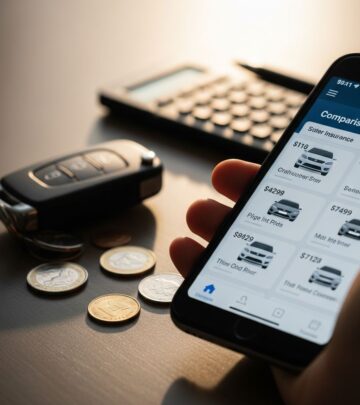
Cancel Car Insurance: 4-Step Guide To Ending Coverage Properly
Master the process of ending your auto policy without gaps, fees, or legal issues—secure refunds and new coverage seamlessly.

Terminating an auto insurance policy requires careful planning to prevent financial penalties, legal troubles, or driving restrictions. Whether switching providers for better rates or no longer needing coverage, following the right procedures ensures a smooth transition. This guide outlines every aspect, from preparation to post-cancellation steps.
Why Policyholders End Their Auto Coverage
Drivers cancel car insurance for various reasons, each influencing the timing and method. Common triggers include securing a cheaper policy elsewhere, selling a vehicle, moving to a state without personal auto requirements, or opting for public transit permanently. In some cases, policyholders relocate internationally or store their car long-term under garaged status.
Regardless of motive, prioritize continuous protection if driving continues. A coverage gap can spike future premiums by 50% or more, as insurers view lapses as high-risk indicators. States mandate minimum liability insurance, with violations leading to fines up to $1,000 and license suspension in many jurisdictions.
Essential Preparations Before Initiating Cancellation
Start by reviewing your policy documents for cancellation terms, notice periods (often 10-30 days), and potential fees. Gather details like policy number, vehicle VIN, effective dates, and payment history. If financed or leased, notify the lienholder first—they may require proof of replacement coverage.
- Secure replacement insurance: Obtain quotes and bind a new policy starting no later than your old one’s end date. Overlap by one day if possible for buffer.
- Check state DMV rules: Some states demand license plate surrender post-cancellation; others require it pre-cancellation. Failure triggers registration holds.
- Cancel auto-payments: Halt electronic drafts to avoid erroneous charges post-cancellation.
- Document everything: Log calls with dates, names, and reference numbers.
Step-by-Step Process to Terminate Your Policy
The cancellation workflow varies by insurer but follows a standard sequence. Most allow phone, online, or written requests, though some like Progressive mandate formal letters.
- Contact your provider: Call the customer service line, chat online, or visit your agent. State Farm, for instance, prefers agent contact with policy number and DOB verification. Provide intent, desired end date, and new policy proof if switching.
- Understand requirements: Inquire about fees (up to $50 in some states), refunds, and notice periods. Ask for their cancellation form if needed.
- Submit formal request if required: Draft or use a provided letter including policy details, cancellation date, and refund instructions. Send via certified mail for proof.
- Receive confirmation: Demand written notice specifying the exact termination date. Retain for records and DMV if needed.
| Insurer Example | Cancellation Method | Key Requirement |
|---|---|---|
| Progressive | Written letter or form | Policy number, effective date, refund request |
| State Farm | Phone/agent | Policy number, DOB, sale proof if applicable |
| General | Phone/email/chat | 30-day notice possible |
Timing Your Cancellation for Maximum Benefit
Align cancellation mid-policy cycle to maximize pro-rated refunds. Policies paid upfront yield credits for unused periods, minus fees. Canceling near renewal avoids rate hikes. If selling the car, time it post-sale with bill of sale handy.
Avoid weekends or holidays when processing delays occur. For switches, set new policy active at midnight on cancellation day to eliminate gaps.
Refund Expectations and Fee Structures
Most states require pro-rata refunds within 30-45 days for prepaid premiums. Expect deductions for:
- Cancellation fees: $25-$75, capped by law in states like California.
- Short-rate penalties: Higher for early voluntary cancels (e.g., 10% of remaining premium).
- Unpaid balances: Deducted first.
No refund if mid-payment installment. Track via account portal; undeposited checks arrive by mail.
State-Specific Regulations and DMV Interactions
Insurance firms often notify DMVs automatically upon cancellation, triggering SR-26 forms in states like Texas for proof of lapse. Surrender plates in New York pre-cancellation to dodge fines; California allows post.
Check your DMV site:
- No-fault states: Michigan requires continuous coverage filings.
- Plate surrender states: Pennsylvania mandates return within 10 days.
- Financial responsibility: All 50 states penalize lapses via points or hikes.
Potential Pitfalls and How to Avoid Them
Mistakes like gaps trigger claims denials and black marks on CLUE reports, haunting quotes for years. Lienholder oversights void loans. Multi-vehicle policies risk unintended drops.
Pro Tips
- Overlap policies briefly if switching.
- Use certified mail for letters.
- Update registrations post-cancellation.
- Shop rates before canceling—savings average 20-30%.
No-Longer-Needed Coverage Scenarios
Sold car? Provide title transfer proof. Long-term storage? Switch to comprehensive-only. Non-driving periods? Non-owner policies bridge gaps cheaply. Military deployment? Suspend via state rules.
Switching Providers: Optimized Approach
Compare via independent agents or aggregators. Bind new before old cancel. Transfer discounts like multi-policy or safe driver seamlessly.
Frequently Asked Questions
Can I cancel anytime without penalty?
Voluntary cancels often incur fees; at renewal, usually not.
How long for a refund?
Typically 2-4 weeks; check policy.
What if I forget to cancel payments?
Contact billing immediately to reverse.
Does cancellation affect credit?
Lapses might indirectly via higher future rates; no direct hit.
Leased car rules?
Lienholder must approve; provide new proof.
Sample Cancellation Letter Template
[Your Name][Your Address][Date][Insurer Name][Insurer Address]Re: Cancellation Request - Policy #[Policy Number]Dear Sir/Madam,I request cancellation of my auto policy effective [Date], coinciding with new coverage start. Details: Name, VIN, etc. Please confirm and process refund.Sincerely,[Signature]Customize per insurer.
References
- When and How to Cancel Your Car Insurance Policy — Bankrate. 2024-06-15. https://www.bankrate.com/insurance/car/get-refund-cancel-car-insurance/
- How to Request a Car Insurance Policy Cancellation — Appraisal Engine. 2023-11-20. https://appraisalengine.com/appraiser-blog/auto-insurance-policy-cancellation-guide/
- How to Cancel Car Insurance — Policygenius. 2024-09-10. https://www.policygenius.com/auto-insurance/how-to-cancel-car-insurance/
- How to Cancel Car Insurance: A Step-by-Step Guide (2025) — OCHO. 2024-12-01. https://www.ocho.co/articles/how-to-cancel-car-insurance
- What to Know About Canceling Car Insurance — Baldwin. 2023-08-05. https://baldwin.com/insights/what-to-know-about-canceling-car-insurance/
- How to Cancel Your State Farm Insurance Policy — State Farm (official). 2025-01-12. https://www.statefarm.com/customer-care/manage-your-accounts/cancel-my-policy
- How To Cancel Car Insurance — Progressive (official). 2024-07-22. https://www.progressive.com/answers/how-to-cancel-car-insurance/
Similar Articles








Read full bio of Sneha Tete