Can Your Spending Patterns Affect Your Credit?
Discover how your everyday shopping habits are tracked by credit card companies and directly influence your credit score and financial future.

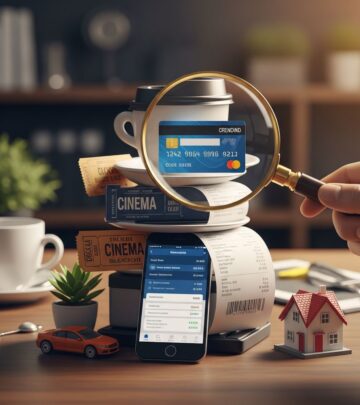
Credit card companies meticulously track shopping habits, using spending behaviors as key indicators to influence credit ratings. These patterns reveal financial discipline, risk levels, and reliability, directly impacting loan approvals, interest rates, and overall creditworthiness.
How Credit Card Companies Track Your Habits
Modern credit issuers employ advanced analytics to monitor not just payments, but the nuances of consumer spending. From frequency of purchases to categories like groceries versus luxury items, every swipe provides data points. This tracking helps predict default risk more accurately than traditional metrics alone.
Cash flow scoring, an emerging tool, examines real-time income consistency and spending anomalies. Sudden large deposits or erratic outflows flag potential fraud or instability, allowing lenders to adjust credit limits or scores proactively.
The Psychology of Spending: Cash vs. Credit Cards
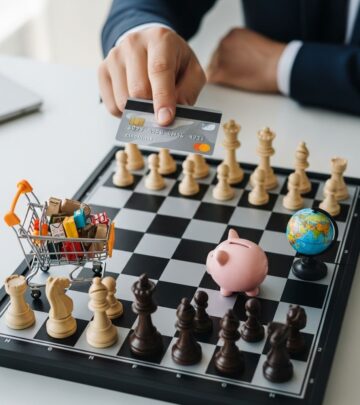
Consumers consistently spend more with credit cards than cash due to psychological decoupling. Paying with plastic separates the ‘pain’ of payment from the pleasure of acquisition, leading to overvaluation of benefits and ignored costs.
- Coupling Effect: Handing over cash creates tangible loss, curbing impulse buys. Credit masks this, as seen in studies where card users spend 12-18% more.
- Benefit Focus: Card payments shift attention to product perks, not price. A diner with cash sticks to budget pasta; with credit, lobster becomes tempting.
Personal anecdotes reinforce this: A shopper planned $30 on books but doubled it with a card, bypassing price checks entirely. Conversely, some swear off cash for card accountability via statements, though most data shows cards encourage overspending.
Luxury Eccentricities and Social Perceptions
Strategic ‘luxury eccentricities’—one area of indulgent spending—can signal you’re not overly frugal, justifying restraint elsewhere. This ‘trick’ reassures peers and may indirectly support credit health by demonstrating controlled splurges within budget.
- Psychological Benefit: It combats perceptions of miserliness, fostering social acceptance of frugality.
- Risk: Must avoid debt; indulge only if budgeted, like premium photography gear without maxing cards.
In group settings, like splitting dinner bills unevenly, revealing a recent luxury buy (e.g., $1,400 lens) might ease tensions, but true financial health prioritizes personal budgeting over appearances.
Direct Impacts on Your Credit Score
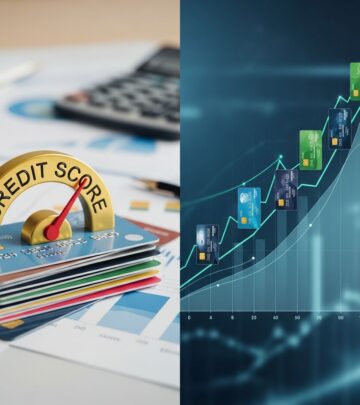
Spending patterns feed into credit scoring models beyond payment history. High utilization from spree spending tanks scores, while consistent, low-risk habits boost them.
| Spending Pattern | Credit Impact | Example |
|---|---|---|
| High credit card reliance, low cash use | Potential score drop if utilization rises | Frequent swipes leading to 30%+ utilization |
| Consistent on-time payments post-spend | Score improvement | Paying off balances monthly |
| Luxury but controlled spending | Neutral to positive if no debt | One hobby splurge, frugal elsewhere |
| Erratic or high-risk patterns | Score decline, fraud flags | Sudden large unexplained purchases |
Payment history dominates scores (35%), but utilization (30%) reflects spending control. Overspending inflates balances, signaling risk.
Building an 800+ Credit Score Through Smart Habits
An elite 800+ score unlocks perks: faster loans, premium cards, job advantages, and optimal rates. Responsible spending—paying full balances, using cards for rewards without interest—is key.
- Loan Perks: Easier approvals, lower rates increasing buying power.
- Card Offers: Access to 0% intro APR, high cashback (e.g., $500+/year).
- Career Boost: Employers check scores for financial roles.
- Insurance Savings: High scores correlate with responsibility, cutting premiums.
Maintain via full monthly payoffs, avoiding interest. Even debt-averse users benefit from building credit history for homes/cars without poor rates.
Practical Tips to Optimize Spending for Credit Health
Align habits to protect and elevate your score:
- Budget luxury zones but cap at 10-20% discretionary spend to avoid utilization spikes.
- Prefer debit/cash for impulses; reserve cards for rewards/tracking.
- Review statements monthly via tools like Mint for anomalies.
- Keep utilization under 10%; pay twice monthly if needed.
- Assess spending before new cards: Match rewards to habits (e.g., travel if frequent).
Track categories: Groceries signal stability; payday loans, risk. Consistent patterns build lender trust.
Frequently Asked Questions (FAQs)
Q: Do credit card companies really use spending patterns for scores?
A: Yes, issuers analyze habits via cash flow scoring and transaction data to gauge risk beyond payments.
Q: Why do I spend more with cards?
A: Psychological decoupling hides payment pain, focusing you on benefits and ignoring costs.
Q: Can a ‘luxury eccentricity’ help my finances?
A: If budgeted without debt, it justifies frugality socially and shows controlled spending.
Q: How does utilization from spending affect scores?
A: High balances (over 30%) signal risk, dropping scores; aim under 10%.
Q: What’s the benefit of an 800+ score?
A: Better rates, approvals, jobs, insurance, and rewards cards.
Q: Should I avoid cash entirely?
A: No—cash curbs overspending; use cards for building history if paid off monthly.
Mastering spending patterns empowers credit control. Consistent, intentional habits yield lasting financial gains, from lower rates to opportunity access.
References
- Cash Flow Scoring Is Catching On — Here’s Why Lenders Like It — BadCredit.org. 2023-05-15. https://www.badcredit.org/news/cash-flow-scoring-is-catching-on-heres-why-lenders-like-it/
- Why We Spend More When We Pay With Credit Cards — Wise Bread. 2022-11-10. https://www.wisebread.com/why-we-spend-more-when-we-pay-with-credit-cards
- Can Your Spending Patterns Affect Your Credit? — Wise Bread. 2023-01-20. https://www.wisebread.com/can-your-spending-patterns-affect-your-credit
- Your Payment History Has a Huge Impact on Your Credit Score — Wise Bread. 2024-03-05. https://www.wisebread.com/your-payment-history-has-a-huge-impact-on-your-credit-score-heres-how-to-improve-it
- 5 Ways Life Is Amazing With an 800 Credit Score — Wise Bread. 2023-08-12. https://www.wisebread.com/5-ways-life-is-amazing-with-an-800-credit-score
Similar Articles








Read full bio of Sneha Tete