Can You Pay a Mortgage With a Credit Card?
Explore whether paying your mortgage with a credit card is possible and financially wise.
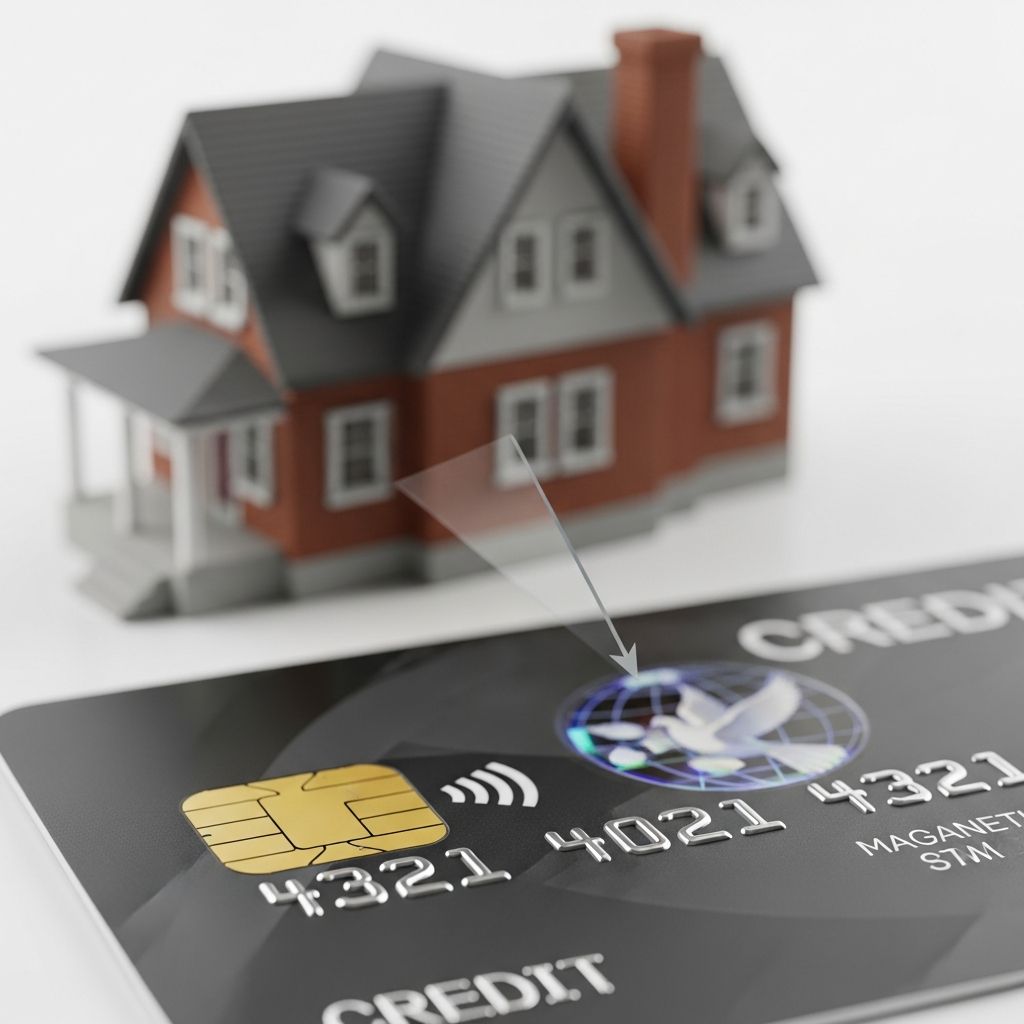
In today’s digital financial landscape, homeowners are constantly seeking flexibility in how they manage their payments. One question that frequently arises is whether it’s possible to pay a mortgage using a credit card. While the idea might seem appealing—especially for those looking to earn rewards points or manage cash flow—the reality is considerably more complex. Most mortgage lenders do not accept credit card payments directly, and for good reason. Understanding the obstacles, available workarounds, and the financial implications is crucial before attempting this payment method.
Why Most Mortgage Lenders Don’t Accept Credit Card Payments
The primary reason mortgage lenders refuse direct credit card payments is straightforward: transaction fees. Credit card processing fees typically range from 2.9% to 3.5% per transaction, which represents a significant cost to lenders. For a $300,000 mortgage payment, this translates to $8,700 to $10,500 in fees alone—costs that most lending institutions are unwilling to absorb. After deducting these fees, lenders could actually lose money on every payment received.
Beyond the financial burden, mortgage companies discourage the practice because it represents paying one debt with another debt, particularly one that carries a substantially higher interest rate. This approach contradicts sound financial management principles and increases the lender’s risk exposure.
The Obstacles to Paying Your Mortgage With a Credit Card
Even if you’re willing to navigate the complexities, several significant barriers stand in your way:
Multiple Approval Requirements
For a mortgage payment via credit card to succeed, three separate entities must approve the transaction: your credit card network (Visa, Mastercard, American Express, or Discover), your credit card issuer (the bank or financial institution), and your mortgage lender. Each has its own policies and restrictions. This triple-approval requirement makes the process considerably more difficult than standard transactions.
Card Network Restrictions
Payment networks have varying policies regarding mortgage payments. Visa, for example, only allows mortgage lenders to accept Visa debit and prepaid card payments, not traditional credit cards. Mastercard is more permissive, allowing both debit and credit cards for mortgage payments. American Express and Discover have their own separate policies that may differ from these standards.
Credit Card Issuer Limitations
Individual credit card issuers impose their own rules. Bank of America credit cardholders, for instance, cannot use their cards to pay mortgages. Wells Fargo credit card holders may have better luck, as Wells Fargo allows its cards to be used for mortgage payments provided the mortgage lender accepts them. These issuer-specific policies create additional confusion and barriers.
Lender Restrictions
Even if your credit card network and issuer approve mortgage payments, your mortgage lender may still refuse them. This creates a frustrating scenario where you meet some requirements but ultimately cannot complete the transaction.
Workarounds: How to Pay Your Mortgage With a Credit Card
While direct payment remains impossible for most homeowners, third-party payment services provide viable alternatives. These services essentially act as intermediaries, charging your credit card and then paying your mortgage lender through traditional banking channels.
Third-Party Payment Services
The most popular solution is using payment processing platforms like Plastiq. Here’s how the process works:
- You authorize the third-party service to charge your credit card
- The service processes your credit card transaction
- The platform then pays your mortgage lender either electronically (if the lender accepts it) or by mailing a check
- The service charges you a processing fee, typically 2.9% of your mortgage payment
This arrangement eliminates the need for all three parties (mortgage lender, credit card issuer, and card network) to directly coordinate, though you’ll pay for this convenience.
Money Order Method
Another workaround involves purchasing a prepaid gift card using your credit card, then using those funds to buy a money order to send to your mortgage lender. While this method avoids the percentage-based fees charged by services like Plastiq, it’s more cumbersome and involves additional steps and potential fees associated with money orders.
Understanding the Costs and Fees
The financial impact of using credit cards for mortgage payments cannot be overstated. Processing fees through third-party services typically run 2.9% but can reach as high as 3.5% depending on the platform and payment method. On a $3,000 monthly mortgage payment, this represents $87 to $105 per payment, or $1,044 to $1,260 annually.
These fees are charged in addition to any annual percentage rate (APR) on your credit card balance. If you don’t pay your credit card statement in full each month, you’ll also accumulate interest charges. Credit card interest rates average 20% to 25% annually, significantly higher than the 6% to 8% typical mortgage rates. This creates a dangerous financial situation where your borrowing costs spiral.
Credit Score Implications
Paying your mortgage with a credit card has dual and contradictory effects on your credit score:
Positive Impacts
Making consistent, on-time mortgage payments through your credit card demonstrates payment reliability. This positive payment history contributes favorably to your credit report and may improve your credit score over time. Payment history accounts for 35% of your FICO score, so this benefit shouldn’t be dismissed entirely.
Negative Impacts
Using a significant portion of your credit limit to pay your mortgage dramatically increases your credit utilization ratio—the percentage of available credit you’re using. Credit card companies typically report utilization ratios to credit bureaus, and high ratios negatively impact your credit score. Credit utilization accounts for 30% of your FICO score. Additionally, if you miss a credit card payment or exceed your credit limit while trying to pay your mortgage, you’ll face late fees and potential credit score damage far exceeding any benefits from on-time mortgage payments.
The Rewards Question: Do the Benefits Outweigh the Costs?
Many homeowners consider using credit cards for mortgage payments to earn rewards points. A typical cash-back credit card offers 1% to 2% back on purchases. On a $3,000 mortgage payment, this yields $30 to $60 in rewards. However, with processing fees of $87 to $105, you’re actually losing $27 to $75 on each transaction. The math simply doesn’t work for most homeowners.
Only in specific scenarios might paying your mortgage with a credit card and earning rewards make financial sense:
- You have a premium rewards card offering 3% or higher cash back
- You can pay your credit card balance in full each month
- You’re not carrying any other credit card debt
- Your credit utilization remains below 30% even after the mortgage payment
- Your mortgage lender and credit card issuer both accept this payment method
These conditions align rarely, making profitable mortgage payments via credit card an exception rather than the rule.
When Paying Your Mortgage With a Credit Card Might Make Sense
While generally inadvisable, limited circumstances exist where this approach might be justified:
Emergency Situations
If you’re facing foreclosure or unable to make your mortgage payment through conventional means, using a credit card via a third-party service represents a better alternative than missing payments entirely. The temporary fee cost is preferable to the long-term consequences of foreclosure, including destroyed credit scores, legal issues, and potential homelessness.
Minimum Payment Requirements
Some credit card issuers require minimum spending to earn sign-up bonuses. If you’re close to meeting a $5,000 minimum requirement that yields a $500 sign-up bonus, using your card for one mortgage payment might justify the fees.
Cash Flow Management
If you’re temporarily short on cash but expect funds within days or weeks, paying your mortgage with a credit card while you wait for direct deposit or income provides a short-term solution. However, this only makes sense if you can pay your credit card balance immediately upon receiving funds.
Step-by-Step Guide: Paying Your Mortgage With a Credit Card
If you’ve determined that paying your mortgage with a credit card makes financial sense for your situation, follow these steps:
Step 1: Verify Card Acceptance
Contact your credit card issuer to confirm that mortgage payments are permitted on your card. Check whether your card network allows mortgage payments as well. This prevents wasted time and effort on a payment method that won’t be approved.
Step 2: Select a Payment Service
Research third-party payment platforms like Plastiq or similar services. Compare their fees, which mortgage companies they work with, and their payment processing times. Read reviews from other users to ensure reliability.
Step 3: Set Up Your Account
Create an account with your chosen payment service. You’ll need to provide your credit card information, mortgage details, and payment frequency preferences.
Step 4: Verify Your Lender
Confirm that your mortgage lender accepts payments from your chosen third-party service. Contact your lender directly if necessary to avoid payment delays or rejection.
Step 5: Make Your Payment
Submit your payment through the platform. Verify the payment amount, processing fee, and expected delivery date. Keep documentation of the transaction for your records.
Step 6: Manage Your Credit Card
Immediately plan to pay your credit card statement in full. Set a reminder on your calendar to ensure you don’t miss this payment, which would trigger interest charges and late fees.
Frequently Asked Questions
Q: Can I directly pay my mortgage with a credit card at my bank?
A: No, most mortgage lenders do not accept direct credit card payments. You must use a third-party payment service that charges your card and pays your lender on your behalf.
Q: What are the typical fees for paying a mortgage with a credit card?
A: Third-party payment services typically charge 2.9% to 3.5% of your mortgage payment. On a $3,000 payment, this represents $87 to $105 per transaction.
Q: Will paying my mortgage with a credit card improve my credit score?
A: On-time mortgage payments help your credit history, but high credit card utilization hurts your score. The net effect depends on your overall credit situation, but most people experience a net negative impact.
Q: Can I earn rewards points on my mortgage payment?
A: Potentially yes, but rewards typically don’t exceed the processing fees you’ll pay. A 1% to 2% cash-back reward is usually outweighed by 2.9% to 3.5% processing fees.
Q: What if my credit card issuer or mortgage lender doesn’t accept this payment method?
A: You have no alternative except to pay through conventional methods like bank transfer, check, or automatic withdrawal from your bank account.
Q: Is there a risk of missing payments if I use a credit card?
A: Yes. If you forget to pay your credit card bill after making a mortgage payment through a third-party service, you’ll face interest charges, late fees, and potential credit score damage.
Q: How long does it take for a payment to reach my mortgage lender?
A: Processing times vary by platform and payment method. Electronic payments may reach lenders within 1-3 business days, while mailed checks may take 5-10 business days.
Conclusion: Is Paying Your Mortgage With a Credit Card Worth It?
For the vast majority of homeowners, paying your mortgage with a credit card is not a financially prudent decision. The combination of processing fees, high credit card interest rates, credit utilization impacts, and limited rewards makes this approach expensive and risky. However, in genuine emergencies where foreclosure looms or temporary cash flow problems require immediate solutions, third-party payment services offer a viable—though costly—alternative.
Before pursuing this option, thoroughly evaluate your financial situation, consult with a financial advisor if necessary, and explore all conventional payment methods. Understanding the true costs and implications ensures you make an informed decision that aligns with your long-term financial health and homeownership goals. For most homeowners, sticking with traditional payment methods remains the smartest financial strategy.
References
- Can You Pay a Mortgage With a Credit Card? — SmartAsset. 2024. https://smartasset.com/mortgage/can-you-pay-a-mortgage-with-a-credit-card
- Can I Pay My Mortgage With a Credit Card? — Realtor.com. 2024. https://www.realtor.com/advice/finance/paying-mortgage-with-credit-card/
- Should I Pay My Mortgage With A Credit Card? — Bankrate. 2024. https://www.bankrate.com/credit-cards/advice/pay-mortgage-with-credit-card/
- Can I Pay My Mortgage with a Credit Card? — NerdWallet. 2024. https://www.nerdwallet.com/credit-cards/learn/can-pay-mortgage-credit-card
- Can You Pay Your Mortgage With a Credit Card? — SoFi. 2024. https://www.sofi.com/learn/content/pay-mortgage-with-credit-card/
Similar Articles








Read full bio of Sneha Tete