Can Teens Open Bank Accounts? 5 Practical Steps For Parents
Discover if teenagers can open bank accounts, the requirements, benefits, and steps to financial independence for young savers.

Yes, teenagers can open bank accounts, typically with a parent or guardian as a co-owner until they reach the age of majority, which varies by state but is usually 18 or 19. This setup allows young people to start building financial skills safely while under adult supervision.
Understanding Age Requirements for Youth Banking
Banking regulations in the United States permit minors to hold accounts, but financial institutions impose specific rules to protect young customers. For instance, teens aged 13 to 16 often require an adult co-owner, and those 17 and younger may need to open accounts in person at a branch with valid identification. Government-issued IDs like a state ID, driver’s license, or passport are commonly required for both the teen and the guardian, along with proof of address.[10]
Some banks offer specialized teen accounts starting as young as 13, designed without overdraft fees to minimize risks. These accounts transition seamlessly as teens age out of minor status, providing continuity in banking services.
Why Teens Need Their Own Bank Accounts
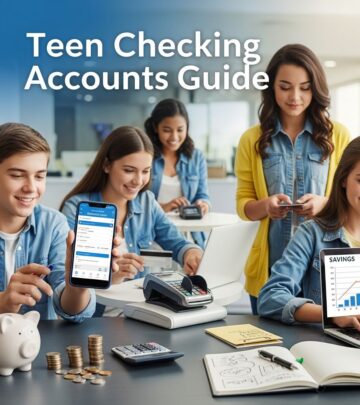
Opening a bank account marks a crucial step in a teenager’s journey toward financial independence. It introduces real-world money management when the financial stakes are low, fostering habits that last a lifetime. Parents can oversee activity, turning potential mistakes into valuable lessons.
Key Advantages of Teen Checking Accounts
- Practical Financial Education: Teens learn budgeting, tracking expenses, and saving through hands-on use of debit cards and mobile apps.
- Enhanced Safety: Unlike cash, funds in a bank account are protected; lost debit cards can be quickly disabled via apps.
- Parental Monitoring: Set up alerts to track spending patterns and guide better decisions in real-time.
- Building Credit Foundations: Establishes positive banking history, indirectly supporting future creditworthiness.
- Independence with Guardrails: Allows teens to handle part-time job earnings or allowances responsibly.
Studies highlight that experiential learning through accounts leads to healthier money habits, preparing teens for larger responsibilities like college or first jobs.
Types of Bank Accounts Suitable for Teenagers
Banks and credit unions offer tailored products for youth, often fee-free to encourage early adoption. Common options include:
| Account Type | Age Range | Key Features | Fees |
|---|---|---|---|
| Teen Checking | 13-17 | Debit card, mobile banking, no overdraft | Typically none for minors |
| Student Checking | 13-24 | Direct deposit, budgeting tools, Zelle | Waived until 24/25 |
| Youth Savings | Under 18 | Higher interest, no minimums, parental access | Fee-free |
These accounts often pair with savings options, simplifying transfers between spending and saving.
Steps to Open a Teen Bank Account
- Research Institutions: Compare teen-specific accounts from banks like Wells Fargo, Regions, or credit unions for perks like no fees or bonuses.
- Gather Documents: Prepare IDs, Social Security numbers, and proof of address for both parties.[10]
- Visit or Apply Online: Many require in-branch for minors; discuss direct deposit for paychecks.
- Set Up Tools: Activate mobile apps, alerts, and budgeting features immediately.
- Link to Savings: Open a paired savings account to teach allocation of funds.
Direct deposit from part-time jobs automates saving, with options to split deposits between checking and savings.
Overcoming Common Challenges in Teen Banking
Potential pitfalls include overspending or fees, but teen accounts mitigate these with no-overdraft policies and parental oversight. Educate on debit vs. credit to avoid debt confusion. Mobile apps with spending trackers empower teens to self-regulate.
For parents, co-ownership balances freedom and control, allowing intervention if needed while building trust.
Real-World Applications for Teen Accounts
Teens use these accounts for everyday needs: paying subscriptions, buying meals, or saving for goals like cars. Part-time earnings deposited directly teach the link between work and wealth. In school-run credit unions, peer learning adds engagement.
Fostering Long-Term Financial Health
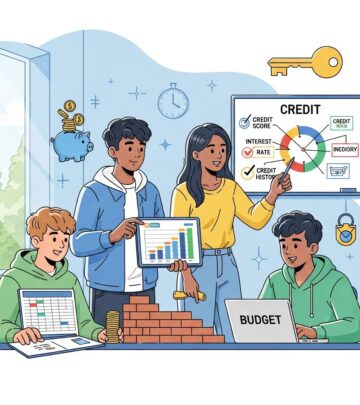
Early accounts lay groundwork for credit building, as responsible use signals reliability to future lenders. Combined with education on goals and tracking, teens emerge confident in handling complex finances.
Frequently Asked Questions (FAQs)
Do teens need a parent to open a bank account?
Yes, minors under 18 or 19 typically require a parent or guardian as co-owner.[10]
Are there fees for teen checking accounts?
Most are fee-free for young users, especially under 24-25 years old.
Can teens get debit cards?
Absolutely, with parental-linked accounts for monitoring.
What ID is needed?
Government-issued photo ID and proof of address for teen and adult.[10]
Does a teen account affect credit score?
No direct impact, but builds good habits for future credit.
Empowering teens with bank accounts promotes lifelong financial savvy, blending independence with guidance for optimal outcomes.
References
- 5 Reasons Your Teen Should Have a Checking Account — Flatwater Bank. 2023. https://flatwater.bank/connect/teenchecking
- 4 factors to opening a checking account for teens — Regions Bank. 2024. https://www.regions.com/insights/personal/article/should-your-teen-have-a-student-checking-account
- Four Benefits of Opening a Checking Account for Your Teen — 1st United Credit Union. 2023. https://www.1stunitedcu.org/more-for-you/financial-wellness/four-benefits-of-opening-a-checking-account-for-your-teen
- Is Your Teen Ready for a Bank Account? Here’s What to Know — Citizens Bank. 2024. https://www.citizensbank.com/learning/teen-checking-account.aspx
- The Benefits of Opening a Youth Account for Your Child — Atomic Credit Union. 2023. https://www.atomiccu.com/resource-center/financial-education/financial-articles/the-benefits-of-opening-a-youth-account-for-your-child
- Can a Teenager Have a Bank Account? — PNC Bank. 2024. https://www.pnc.com/insights/personal-finance/spend/can-a-teenager-have-a-bank-account.html
- Student and Teen Checking — Wells Fargo. 2025. https://www.wellsfargo.com/checking/student/
Similar Articles








Read full bio of medha deb