Can I Use My 401(k) To Buy A House? 3-Step SDIRA Rollover Guide
Learn how to leverage your 401(k) for real estate investment through Self-Directed IRAs.

Can I Use My 401(k) to Buy a House?
Many people wonder if they can tap into their 401(k) savings to purchase a home or invest in real estate. The straightforward answer is that you cannot directly use your 401(k) to buy a house due to IRS regulations. However, there are legitimate strategies and workarounds that allow you to leverage your retirement funds for real estate investments. Understanding these options and their implications is crucial before making any financial decisions.
Direct 401(k) Investment in Real Estate: The IRS Restriction
The Internal Revenue Service has established clear guidelines that prohibit 401(k) account holders from investing their retirement funds directly into any form of property or real estate. This means you cannot use your 401(k) balance to make a down payment on a personal residence or purchase an investment property outright through your plan. These restrictions exist to protect retirement savings and ensure they remain designated for retirement purposes.
The prohibition extends to all types of property investments, whether residential, commercial, or land. Even if you have substantial funds accumulated in your 401(k), the plan’s custodian and the IRS will not permit direct real estate transactions. Understanding this limitation is the first step toward exploring legitimate alternatives.
Alternative Strategies for Using 401(k) Funds in Real Estate
While direct investment is not permitted, several strategies exist that allow you to effectively use your 401(k) savings for real estate purchases. The most popular and effective method involves rolling over your 401(k) funds into a Self-Directed Individual Retirement Account (SDIRA).
The Self-Directed IRA Solution
A Self-Directed IRA is a type of retirement account that provides significantly more investment flexibility than traditional 401(k)s. With a Self-Directed IRA, you can invest in alternative assets, including real estate, precious metals, and other non-traditional investments. By rolling over your 401(k) funds into a Self-Directed IRA, you effectively gain the ability to purchase real estate while maintaining the tax-advantaged status of your retirement funds.
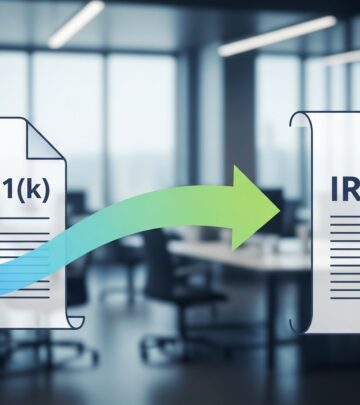
Rolling Over Your 401(k) to a Self-Directed IRA
The rollover process is the gateway to using your 401(k) for real estate investment. Before initiating a rollover, you must verify your eligibility and understand the different rollover methods available to you.
Eligibility Requirements
Before rolling over funds from your 401(k) to a Self-Directed IRA, you should contact your current plan administrator to confirm your eligibility. Eligibility depends on several factors, including your employment status, the plan’s specific rules, and whether you’ve experienced a qualifying event such as job separation or plan termination. Some plans allow rollovers while you’re still employed, while others only permit rollovers after you leave the company.
Direct Rollover Method
The direct rollover is the preferred method for transferring 401(k) funds to a Self-Directed IRA. In a direct rollover, your 401(k) plan administrator transfers your funds directly to your new Self-Directed IRA custodian. This method has significant advantages: no taxes are withheld, no immediate tax liability is incurred, and you avoid the risk of missing deadlines.
When performing a direct rollover, the transferring institution must file IRS Form 1099-R to report the transaction. Your Self-Directed IRA custodian will also file IRS Form 5498 to document the receipt of the funds. You’ll need to note this rollover on your annual tax return, though no additional taxes are typically due at the time of the transfer.
Indirect Rollover Method (60-Day Rollover)
An indirect rollover, also called a 60-day rollover, represents an alternative approach. With this method, your 401(k) plan administrator distributes the funds directly to you rather than sending them to your new Self-Directed IRA. You then have 60 days to deposit these funds into your Self-Directed IRA account. If you fail to complete the deposit within 60 days, the distribution is treated as a taxable withdrawal, and you may face penalties.
One critical drawback of the indirect rollover is mandatory tax withholding. Your plan administrator is typically required to withhold 20 percent of your distribution for federal income taxes. This means if you want to roll over the full amount, you must cover the 20 percent withholding from your own funds when depositing money into your Self-Directed IRA. If you don’t replace the withheld amount, the shortfall is treated as a taxable distribution.
Establishing Your Self-Directed IRA
Once you’ve decided to rollover your 401(k) funds, you need to establish a Self-Directed IRA. The process involves three essential steps:
Step 1: Open Your Self-Directed IRA Account
Begin by selecting a reputable Self-Directed IRA custodian. This financial institution will manage your account and ensure compliance with IRS regulations. You’ll complete an online application or paper forms to open your account. When selecting a custodian, thoroughly research their credentials, read customer reviews, and examine the educational resources they provide. Your custodian should offer comprehensive guidance to help you make informed investment decisions.
Step 2: Fund Your Self-Directed IRA
After opening your account, fund it through your 401(k) rollover. You can rollover the entire balance or a portion of your 401(k) funds, depending on your investment plans and financial situation. You may also make additional contributions if you’re eligible and haven’t reached contribution limits.
Step 3: Direct Your Real Estate Investment
Once your Self-Directed IRA is funded, you instruct your custodian to deploy your IRA funds toward your real estate investment. Your custodian will facilitate the transaction by sending funds to the appropriate parties, such as the earnest money deposit to escrow or the full purchase price to the seller.
Purchasing Real Estate with Your Self-Directed IRA
With your 401(k) funds now in a Self-Directed IRA, you have multiple options for purchasing investment property. Understanding these options helps you structure your real estate investment effectively.
Direct Property Purchase
The most straightforward approach is instructing your Self-Directed IRA custodian to send your IRA funds directly for the real estate purchase. You can have your custodian send an earnest money deposit (EMD) initially and then fund the remaining balance at closing, or you can instruct the custodian to fund the entire purchase price at closing. This method keeps all funds within your Self-Directed IRA and maintains the tax-advantaged status of your investment.
Financing with Non-Recourse Loans
You may not have sufficient Self-Directed IRA funds to cover your entire property purchase. In such cases, you can obtain financing through a non-recourse loan. A non-recourse loan is structured so that in case of default, the lender’s recourse is limited to the property itself, not your personal assets or other income sources.
Using a non-recourse loan with your Self-Directed IRA is permissible because it doesn’t create a prohibited transaction. However, obtaining a traditional recourse loan—where you personally guarantee repayment—would trigger prohibited transaction rules and could result in serious tax consequences, including the disqualification of your entire Self-Directed IRA.
Important Considerations and Rules
Using a Self-Directed IRA for real estate investment requires adherence to several important IRS rules and regulations.
Prohibited Transactions
The IRS strictly prohibits certain transactions within a Self-Directed IRA. You cannot use your Self-Directed IRA to purchase property for personal use, and you cannot engage in self-dealing transactions where you benefit directly from the investment outside of retirement distributions. Transactions involving disqualified persons—such as you, your spouse, your parents, or your children—are generally prohibited.
Income and Expenses
Any rental income generated from properties held within your Self-Directed IRA remains tax-deferred within the account. Similarly, expenses related to the property must be paid from the Self-Directed IRA, not from your personal funds. This segregation ensures the investment remains properly structured as a retirement account investment.
Required Distributions
Your Self-Directed IRA remains subject to Required Minimum Distributions (RMDs) once you reach age 73 (as of 2023, following tax law changes). When you take distributions, the property itself cannot be distributed; instead, you must liquidate it or refinance it to obtain funds for the distribution.
Comparing Your Real Estate Investment Options
To help you evaluate your choices, here’s a comparison of different approaches to using retirement funds for real estate:
| Method | Tax Advantages | Flexibility | Complexity | Best For |
|---|---|---|---|---|
| Direct 401(k) Investment | Not Available | Very Limited | Low | Not Recommended |
| Self-Directed IRA (Direct Rollover) | Tax-Deferred Growth | High | Medium | Real Estate Investors |
| Self-Directed IRA (60-Day Rollover) | Tax-Deferred Growth | High | Medium-High | When Direct Rollover Unavailable |
| SDIRA with Non-Recourse Loan | Tax-Deferred Growth | Very High | High | Leveraged Real Estate Purchases |
Frequently Asked Questions
Q: Can I use my 401(k) to buy a primary residence?
A: Not directly. However, you can roll over your 401(k) to a Self-Directed IRA and purchase real estate through that account. Note that the property must be held as an investment, not for personal use.
Q: What happens if I violate Self-Directed IRA rules?
A: Violating prohibited transaction rules can result in your entire Self-Directed IRA being disqualified, meaning all assets become subject to immediate taxation and potential penalties.
Q: Can I take out a loan against my 401(k) instead?
A: Many 401(k) plans allow loans against your account balance, typically up to 50 percent of your vested balance or $50,000, whichever is less. This is an alternative to withdrawals or rollovers, though you must repay the loan with interest.
Q: How long does the 401(k) to Self-Directed IRA rollover take?
A: A direct rollover typically takes 7 to 14 business days, though it can vary by custodian. An indirect rollover can take longer since you’re responsible for depositing the funds within 60 days.
Q: Are there contribution limits for Self-Directed IRAs?
A: Yes, annual contribution limits apply to Self-Directed IRAs, just as they do to traditional IRAs. However, rollover amounts are not subject to contribution limits. For 2024, the standard contribution limit is $7,000 for individuals under age 50.
Q: Can I use a Self-Directed IRA to buy commercial real estate?
A: Yes, Self-Directed IRAs can be used to purchase commercial properties, including office buildings, retail spaces, apartments, and other commercial investments. The same rules and restrictions apply.
Conclusion
While you cannot directly use your 401(k) to buy a house, you have a viable alternative through the Self-Directed IRA rollover strategy. By rolling over your 401(k) funds to a Self-Directed IRA, you unlock the ability to invest in real estate while maintaining the tax-advantaged growth potential of your retirement savings. Whether you choose a direct rollover or an indirect 60-day rollover depends on your specific situation, but the direct method is generally preferred due to its tax efficiency and straightforward administration.
Before proceeding, carefully evaluate your financial goals, research reputable Self-Directed IRA custodians, and consider consulting with a financial advisor or tax professional to ensure your real estate investment strategy aligns with your retirement planning objectives and complies with all IRS regulations.
References
- Can I Buy a House with a 401(k)? — Madison Trust Company. 2024. https://www.madisontrust.com/can-i-buy-a-house-with-a-401k/
- Retirement Plans FAQs Regarding Rollovers of Retirement Plan and IRA Distributions — Internal Revenue Service. 2024. https://www.irs.gov/retirement-plans/faqs-regarding-rollovers-of-retirement-plan-and-ira-distributions
- Traditional and Roth IRAs — Internal Revenue Service. 2024. https://www.irs.gov/retirement-plans/traditional-and-roth-iras
- Self-Directed IRAs: What You Need to Know — U.S. Securities and Exchange Commission. 2023. https://www.sec.gov/investor/pubs/sdira.pdf
- 401(k) Plan Loan Provisions — Internal Revenue Service. 2024. https://www.irs.gov/retirement-plans/plan-participant-employee/retirement-topics-401k-and-loan-provisions
Similar Articles








Read full bio of Sneha Tete