Can I Insure My Boyfriend’s Car? A Complete Guide
Learn whether you can insure your boyfriend's car and what you need to know about coverage and liability.
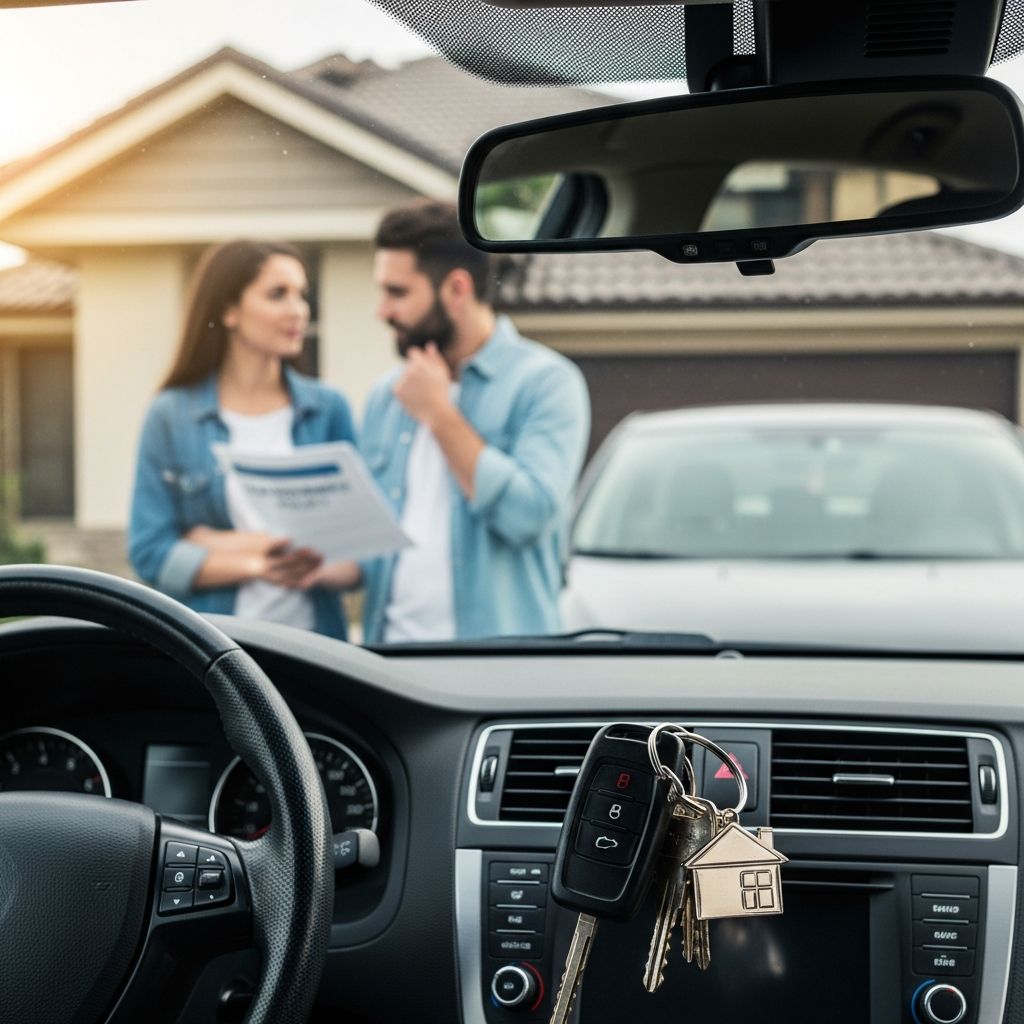
Can I Insure My Boyfriend’s Car?
One of the most common questions among unmarried couples is whether one partner can insure the other partner’s vehicle. The short answer is yes, but there are important considerations and limitations you should understand before making this decision. Insurance companies have specific rules about who can be insured on a policy, and these rules vary based on your living situation, how often the vehicle is used, and your relationship to the vehicle owner.
When it comes to insuring your boyfriend’s car, the process isn’t as straightforward as simply adding him to your policy. Your insurance company will want to know about any regular drivers in your household and who has access to your vehicles. Understanding these requirements can help you avoid coverage gaps, potential claims denials, and unexpected financial liability.
Understanding Permissive Use Coverage
Most car insurance policies include what’s known as permissive use coverage. This provision allows someone who is not listed on your insurance policy to drive your car with your explicit or implied permission. Permissive use is typically designed for occasional, unexpected situations—such as when your boyfriend borrows your car for an errand or when you need him to drive you somewhere.
The key word here is “occasional.” Permissive use coverage is not intended for regular or frequent use. If your boyfriend regularly drives your car—whether for commuting to work, running daily errands, or any other frequent activity—your insurance company may not honor a claim under permissive use. In fact, failing to disclose regular drivers could give your insurance company grounds to deny coverage or cancel your policy.
It’s essential to contact your insurance company to confirm that your policy includes permissive use coverage. Not every policy includes this provision, and understanding your specific coverage is crucial for protecting yourself financially.
When You Should Add Your Boyfriend to Your Policy
There are several circumstances where it makes sense to formally add your boyfriend to your car insurance policy rather than relying on permissive use coverage.
You Live Together
If you and your boyfriend share the same residence, most insurance companies require you to disclose this information. When two people live at the same address and one of them has regular access to a vehicle, insurers typically want that person listed on the policy. Living together creates the assumption of potential regular use, even if you don’t explicitly plan for your boyfriend to drive your car frequently.
He Drives Your Vehicle Frequently
If your boyfriend regularly drives your car—whether for daily commuting, work-related travel, or regular errands—you should add him to your policy. Frequent use goes beyond the scope of permissive use coverage, and your insurance company could deny claims if they discover your boyfriend is a regular driver who wasn’t listed on the policy.
He Doesn’t Have His Own Insurance
If your boyfriend doesn’t have a separate car insurance policy but regularly drives your vehicle, adding him to your policy provides necessary protection. This ensures that if an accident occurs, both of you have coverage rather than relying solely on your policy’s permissive use provision.
He Has Moving Violations or a Poor Driving Record
If your boyfriend has speeding tickets, at-fault accidents, or driving under the influence convictions, your insurance company will likely want to know about him if he’s a regular driver. While adding someone with a poor driving record may increase your premiums, failing to disclose this information could be worse—it could result in denied claims or policy cancellation.
You Each Own Vehicles
If both you and your boyfriend own cars and you frequently share driving duties, adding each other as listed drivers on both policies ensures comprehensive coverage. This arrangement protects both of you in various scenarios and prevents coverage gaps.
Liability Concerns and Financial Risk
One of the most critical aspects of insuring your boyfriend’s car is understanding your potential liability. When someone drives a vehicle, the owner of that vehicle typically bears legal responsibility for any damages caused by that driver. This is true even if you’re not the one driving.
If your boyfriend drives your car and causes an accident that injures someone or damages property, you could be held liable for those damages up to your policy limits. If the damages exceed your insurance coverage, you could be personally sued for the remaining amount. This means your personal assets—your savings, your home equity, and future earnings—could be at risk.
Many states have specific liability laws that hold vehicle owners responsible for the negligent acts of drivers operating their vehicles. Some states impose limited liability, typically ranging from $15,000 to $30,000 depending on the extent of injuries and property damage. However, if the damages exceed these limits, you could face a lawsuit for the difference.
Insurance Coverage and Claims Issues
Adding your boyfriend to your insurance policy is more complex than simply providing his name. When your insurance company processes a claim involving your boyfriend, several factors come into play.
Impact on Your Premiums
Adding a driver to your insurance policy will almost certainly increase your premiums. The amount of the increase depends on several factors, including your boyfriend’s age, driving history, experience level, and the insurance company’s risk assessment. A young driver or one with traffic violations will result in a higher premium increase than an experienced, clean-driving-record driver.
Deductible Responsibility
If your boyfriend has an accident while driving your car, you’ll typically be responsible for paying the deductible on your policy. Even if the accident isn’t his fault, you may need to pay the deductible upfront, though you might receive reimbursement later through the at-fault driver’s insurance.
Claims and Rate Increases
Any accidents or claims involving your boyfriend will be recorded against your policy, potentially leading to rate increases even if your boyfriend was not at fault. Insurance companies view claims activity as a risk factor, and your rates may increase for several years following an incident.
Information You’ll Need to Provide
When you decide to add your boyfriend to your car insurance policy, your insurance company will require specific information about him. Having this information ready will make the process smoother and faster.
- Full legal name
- Date of birth
- Driver’s license number
- State of driver’s license issuance
- Driving history (including any accidents, violations, or citations)
- Estimated annual mileage or how often he’ll drive the vehicle
- Principal use of the vehicle (commuting, occasional use, etc.)
Do You Need to Insure Your Boyfriend’s Car If You Don’t Own It?
If your boyfriend owns the car but you drive it regularly, the situation is different. You cannot purchase insurance on a vehicle you don’t own without an insurable interest—essentially, a legal stake in the vehicle. Your boyfriend, as the owner, must purchase the insurance. However, if you drive his car frequently, he should add you to his policy as a listed driver or at least ensure that his policy covers you as a regular driver with explicit permission.
If you only occasionally drive your boyfriend’s car, his permissive use coverage should protect you in case of an accident. However, if you drive his car regularly—such as for daily commuting or running errands—you should ask him to add you to his policy to ensure full coverage and avoid potential claim denials.
Living Together: What You Must Disclose
If you and your boyfriend live together, full disclosure to your insurance company is essential. Insurance companies have sophisticated systems for verifying household composition, and failing to disclose a live-in partner can have serious consequences.
If your boyfriend lives with you and has regular access to your vehicle, you must inform your insurance company, even if he doesn’t drive the car frequently. Some insurance companies may require you to add him to your policy; others may simply want to note his presence in the household. Either way, this information is crucial for maintaining valid coverage.
Failing to disclose a live-in boyfriend can result in:
- Policy cancellation
- Claim denial in the event of an accident
- Being accused of fraud in the inducement of the insurance contract
- Loss of coverage when you need it most
Separate Policies vs. Joint Coverage
When you and your boyfriend both drive regularly and want comprehensive coverage, you have two main options: maintaining separate policies or purchasing joint coverage.
Separate Policies
Maintaining separate policies gives you independence and allows each of you to choose coverage levels and deductibles that suit your individual needs. This approach can work well if you each own your own vehicle and rarely drive each other’s cars. However, if you live together and share vehicles, separate policies may create coverage gaps.
Joint Coverage
A joint policy covers both of you on both vehicles (if you have multiple cars). This approach simplifies management, can potentially qualify you for multi-vehicle discounts, and ensures there are no coverage gaps. The downside is that any accidents or violations by either driver will affect both of your rates. Additionally, married couples typically receive better rates on joint policies than unmarried couples.
Special Considerations for Unmarried Couples
Insurance companies treat unmarried couples differently than married couples in several ways. While most insurers allow you to add an unmarried significant other to your policy if you live together, they may charge higher premiums than they would for a married couple.
Some insurance companies offer better rates if you marry, so it’s worth asking your agent about the potential premium difference. This is one of the few financial incentives insurance companies explicitly offer for marriage.
What Happens When You Break Up?
If your relationship ends and your boyfriend no longer needs to be on your policy, you should contact your insurance company immediately to remove him. Keeping an ex-partner on your policy after you’ve broken up serves no purpose and may increase your premiums unnecessarily.
When you remove your boyfriend from your policy, make sure to notify him of the change so he understands he’s no longer covered under your insurance. If he continues to drive without coverage, he’ll be driving uninsured, which is illegal in most states and poses risks for both of you.
Steps to Add Your Boyfriend to Your Policy
If you’ve decided to add your boyfriend to your car insurance policy, the process is straightforward:
- Gather all necessary information about your boyfriend, including his driver’s license number, date of birth, and driving history
- Contact your insurance company or speak with your insurance agent
- Explain that you want to add your boyfriend as a listed driver
- Provide all required information about him
- Ask about the premium increase and any available discounts
- Review the new policy terms and coverage before accepting the changes
- Confirm the changes in writing
Frequently Asked Questions
Q: Will my insurance automatically cover my boyfriend if he drives my car occasionally?
A: Most policies include permissive use coverage for occasional drivers. However, this coverage is limited to unexpected, infrequent use. If your boyfriend drives your car regularly, you should add him to your policy. It’s best to contact your insurance company to confirm your specific coverage.
Q: Can I insure my boyfriend’s car if I’m not the owner?
A: No, you cannot purchase insurance on a vehicle you don’t own. You must have an insurable interest in the vehicle, meaning you have a legal stake in it. Your boyfriend, as the owner, must purchase the insurance. However, if you drive his car regularly, he should add you to his policy.
Q: What happens if my boyfriend has an accident in my car and isn’t on my insurance?
A: If your boyfriend has an accident while driving your car and isn’t listed on your policy, your insurance company may deny the claim, especially if they discover he’s a regular driver. Even if permissive use coverage applies, you’ll be responsible for the deductible and any damages exceeding your policy limits. You could also face personal liability.
Q: Will adding my boyfriend to my insurance increase my premiums?
A: Yes, adding a driver to your policy will typically increase your premiums. The amount depends on his age, driving history, and experience. A young driver or one with traffic violations will result in a higher increase than an experienced driver with a clean record.
Q: Do we need to be married for me to add my boyfriend to my policy?
A: No, you don’t need to be married. Most insurance companies allow you to add an unmarried significant other if you live together at the same permanent address. However, married couples may receive better rates on joint policies.
Q: What should I do if my boyfriend moves out?
A: Contact your insurance company to update your policy. Remove your boyfriend as a listed driver or update his status if he’s no longer living in your household. This ensures your premiums reflect your actual driving situation and prevents coverage issues.
Q: Is it illegal for my boyfriend to drive my car without being on my insurance?
A: It’s not illegal for your boyfriend to drive your car with your permission, but your insurance might not cover an accident. If your boyfriend causes an accident and your insurance denies the claim due to non-disclosure or coverage gaps, you could face serious financial consequences. Additionally, if your state requires all drivers to be insured, your boyfriend could face legal penalties.
Q: Can I be held liable if my boyfriend causes an accident in my car?
A: Yes, as the vehicle owner, you can be held legally liable for damages caused by your boyfriend while driving your car. This is known as vicarious liability. Damages could include injuries to other people, property damage, and medical expenses. If damages exceed your insurance policy limits, you could be personally sued.
References
- Can You Add a Boyfriend or Girlfriend to Your Car Insurance? — Insurify. 2025. https://insurify.com/car-insurance/driver/status/significant-other/
- Car Insurance for Unmarried Couples — Progressive Insurance. 2025. https://www.progressive.com/answers/car-insurance-for-unmarried-couples/
- Legal Liability for Permissive Drivers and Vehicle Owners — Avvo Legal Answers. 2025. https://www.avvo.com/legal-answers/my-daughter-is-allowing-her-boyfriend-to-drive-a-c-145656.html
Similar Articles








Read full bio of medha deb