Can Gardening Save Money? How To Save $530
Discover if planting a vegetable garden truly cuts grocery bills and how to maximize savings with smart strategies.
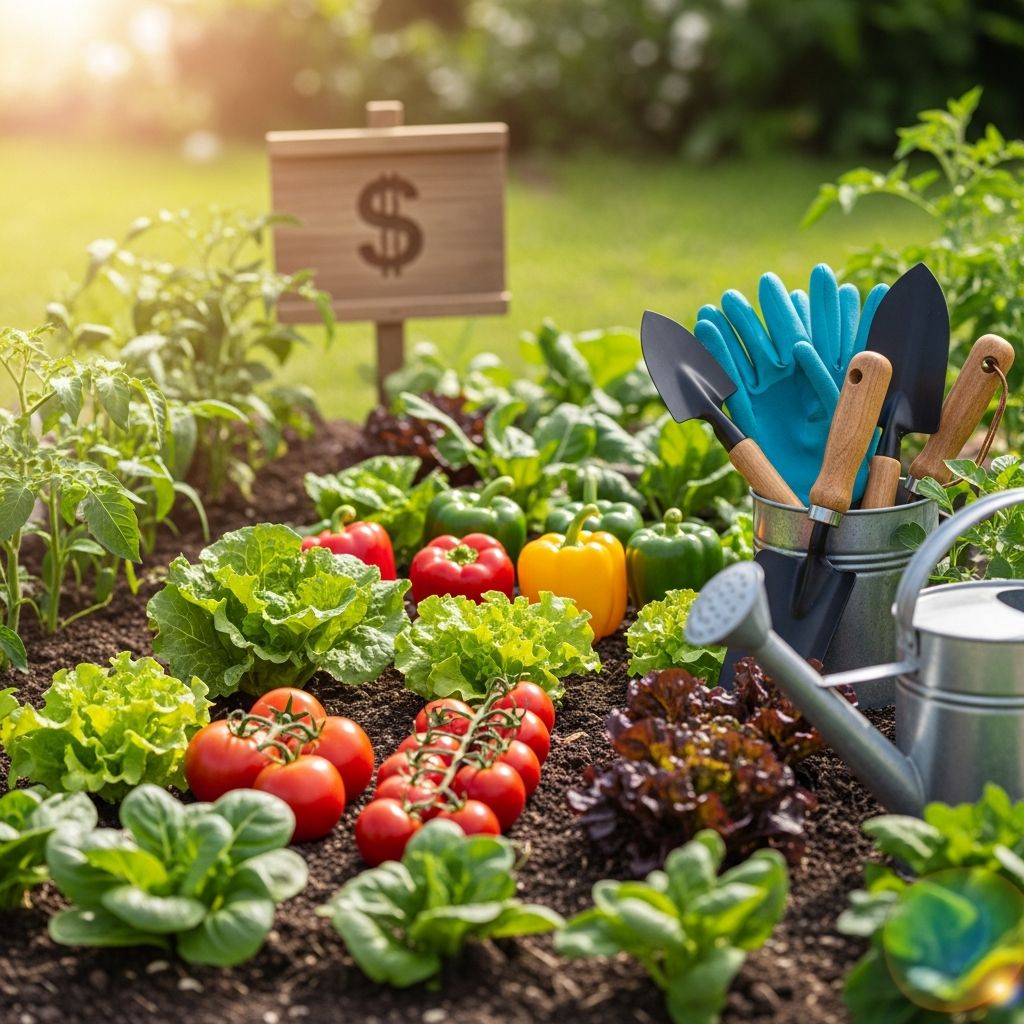
Planting a vegetable garden can potentially save hundreds of dollars on groceries, with studies showing an average return of $530 on a $70 investment through fresh produce yields.
How Much Can You Save with a Backyard Garden?
A modest backyard garden offers substantial savings potential. According to the National Gardening Association (NGA), an average garden plot produces about 300 pounds of fresh produce valued at $600, based on an initial investment of around $70, netting approximately $530 in savings. This makes gardening one of the top strategies for reducing grocery expenses, especially for penny-pinchers willing to invest time and minimal upfront costs.
Real-world examples reinforce these figures. Blogger Kristina Seleshanko documented her 12-by-14-foot and 33-by-3-foot gardens, which incurred startup costs of $278 (including backyard chickens). Her harvest of eggs, tomatoes, kale, onions, and potatoes was valued at $1,770.89 at grocery prices, yielding a savings of $1,492.89 during the summer of 2013. These cases illustrate that even small-scale efforts can significantly impact household budgets.
Plant What You Eat Most
To maximize savings, focus on growing vegetables and herbs you frequently purchase. Backyard gardener Brittany Haskell from Cape Cod emphasizes, “Grow stuff you eat!” Her choices include celery, green beans, cucumbers, cherry tomatoes, and squash—items that align with her regular consumption.
Author P. Allen Smith, in “Seasonal Recipes from the Garden,” recommends reviewing grocery receipts to identify priorities. Fresh herbs are a prime example: a $20 investment in herb plants provides enough supply for an entire summer, far cheaper than repeated store buys. Similarly, homesteader Alexandra Bodrie advises planting what suits your climate, such as green beans and peas on Cape Cod, where watermelons are impractical due to short seasons.
- Review your grocery receipts to spot high-cost, frequently bought items like herbs, tomatoes, or greens.
- Choose climate-appropriate crops for reliable yields and minimal waste.
- Prioritize family favorites to ensure produce gets eaten, amplifying savings.
Start with Seeds to Cut Costs
Seeds represent one of the most economical entry points for gardening. A pack of tomato seeds costs far less than plants, with one packet yielding multiple plants that produce 15-25 pounds each. Compare this to $2.29 per pound for store tomatoes: the math clearly favors home growing.
Gardening expert Marie Iannotti suggests starting seeds indoors in late spring if time and space allow, and organizing seed exchanges with friends to multiply supplies at no extra cost. This approach not only saves money but also allows customization of varieties.
Further savings come from dividing perennials and bulbs every three years, providing free plants for expansion or sharing. Direct-seeding crops like basil and squash, or using grow lights for seedlings, involves initial setup but pays off long-term.
Plan Well to Maximize Yield and Savings
Effective planning turns a garden into a profit center. The NGA notes that while average U.S. gardens span 600 square feet, smaller plots suffice for meaningful savings. Opt for high-yield crops like tomatoes, onions, and leaf lettuce, which deliver more value per square foot than lower performers like Brussels sprouts, celery, or pumpkins.
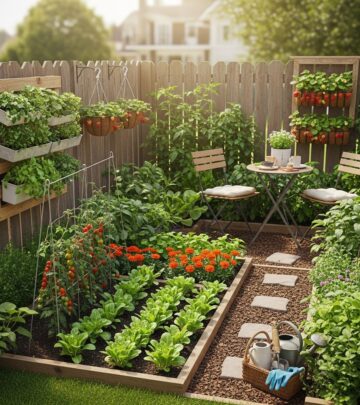
Utilize vertical space with trellises for climbing plants like beans and peas, preserving ground area. Keep detailed records, as Haskell does: planting dates, success rates, and harvest amounts inform future decisions for optimized yields.
| Crop | Yield per Plant (lbs) | Value per Pound | Estimated Savings |
|---|---|---|---|
| Tomatoes | 15-25 | $2.29 | $34-57 |
| Leaf Lettuce | High (continuous) | $3-5 | $50+ |
| Onions | Medium | $1.50 | $20-30 |
| Green Beans | High | $2.00 | $40+ |
This table, inspired by NGA yield charts, highlights top savers. Adjust based on local prices and space.
Think Outside the Garden: Alternative Growing Spaces
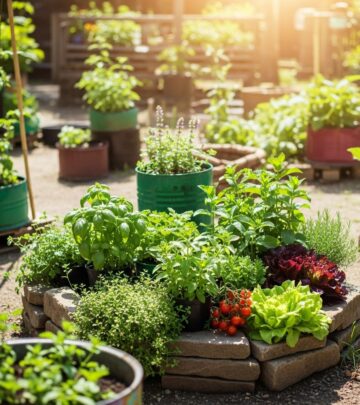
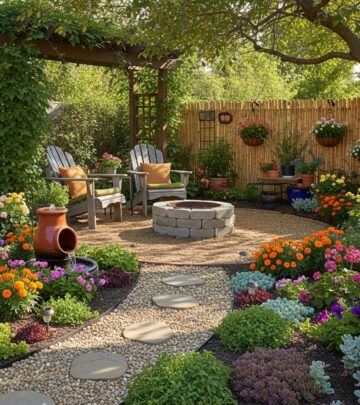
Gardens aren’t limited to backyards. The NGA highlights container gardening on decks, patios, community plots, schools, senior centers, and even front yards. Pot-friendly options like tomatoes, cucumbers, lettuce, and herbs thrive in small spaces, ideal for renters or urban dwellers.
Beyond food, gardens provide free entertainment and education, keeping families home and saving on outings. Bodrie, a single mother, values the time spent tending plants over costly activities. Free advice from state cooperative extensions or master gardener programs enhances success without expense.
Budget Gardening Hacks for Maximum Savings
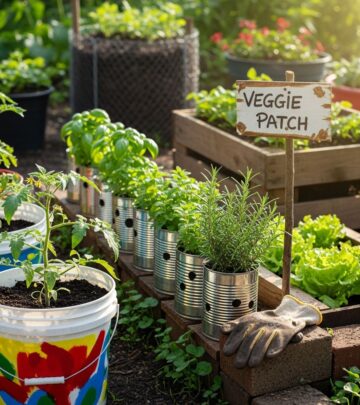
Minimize costs with resourceful strategies. Make compost from free leaves, grass, straw, and food scraps using pallets or recycled wood frames. Repurpose household items: plastic salad boxes as seed trays, dresser drawers for greens, five-gallon buckets for veggies.
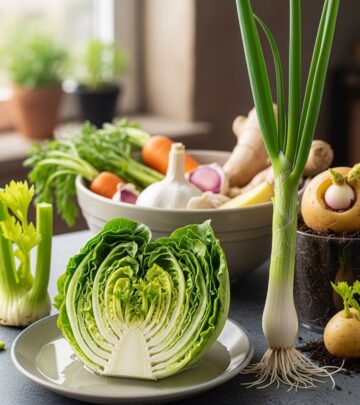
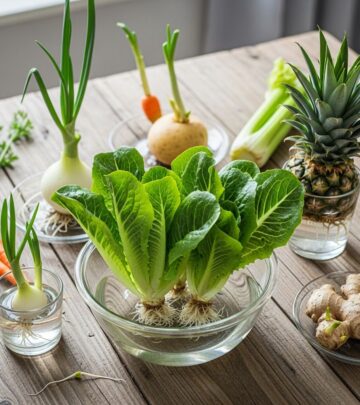
Shop off-season for deals on plants and supplies, hit yard sales for tools, and use the buddy system to split costs on soil bales or equipment rentals. Regrow vegetables from kitchen scraps like green onions or celery bases to extend harvests indefinitely.
- Compost at home: Zero-cost fertilizer from yard and kitchen waste.
- DIY trellises from tree trimmings or stakes from recycled materials.
- Mulch with chopped leaves and grass clippings for weed control and soil health.
Real Costs and Realistic Expectations
While promising, gardening involves upfront and ongoing costs. One detailed project tracked $296.70 spent over months on seeds, soil, fertilizers, and tools, with time investments of 20+ hours before significant harvests. Strawberries and peas provided early returns, but tomatoes promised the bulk ($300+).
U-pick farms offer a low-garden alternative: twelve pounds of strawberries for minimal cost, perfect for jams without full commitment. Track your own expenses to ensure net savings.
Frequently Asked Questions (FAQs)
What is the average savings from a home garden?
The NGA estimates $600 in produce value from a $70 investment, netting $530 savings on average.
Which vegetables save the most money to grow?
High-yield options like tomatoes, lettuce, onions, and green beans offer the best return per square foot.
Can I garden without a backyard?
Yes, use containers on patios, decks, or windowsills for herbs and small veggies.
How do I start seeds cheaply?
Buy seed packets, start indoors, and exchange extras with friends.
Is composting worth it for savings?
Absolutely—free, nutrient-rich soil amendment from household waste.
Conclusion: Gardening Pays Off with Planning
With strategic choices—from seeds and high-yield crops to composting and space optimization—gardening reliably saves money on groceries while providing fresh, healthy food. Start small, track results, and scale up for compounding benefits.
References
- How a Backyard Garden Could Save You $500 on Groceries — The Penny Hoarder. Accessed 2026. https://www.thepennyhoarder.com/save-money/grow-your-own-food/
- How to Save Money in the Garden — University of Maryland Extension (Maryland Grows). 2025-03-24. https://marylandgrows.umd.edu/2025/03/24/how-to-save-money-in-the-garden/
- The GRS garden project: How much does a garden really save? — Get Rich Slowly. Accessed 2026. https://www.getrichslowly.org/grs-garden-project-how-much-does-garden-save/
Similar Articles








Read full bio of medha deb