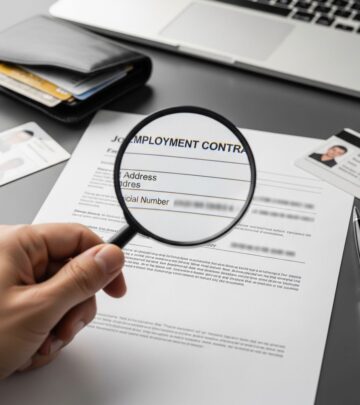
Can an Employer Ask for Your Social Security Number?
Understand your rights: When employers can request SSN and how to protect your personal data.

Your Social Security number is one of the most sensitive pieces of personal information you possess. It serves as a unique identifier for tax purposes, financial transactions, and personal identification. When applying for jobs, many candidates wonder whether employers have the right to request this highly sensitive information during the application process. The answer is nuanced and depends on several factors including timing, state regulations, and the employer’s legitimate business needs.
Is It Legal for Employers to Ask for Your Social Security Number?
The straightforward answer is yes—employers are generally allowed to ask for your Social Security number during the hiring process. Both state and federal laws permit employers to request applicants’ SSNs when there is a legitimate business purpose. However, this does not mean you are obligated to provide it immediately or on the initial job application. The legality of requesting your SSN differs from the appropriateness of when and how that request is made.
It’s important to understand that while employers can ask for your SSN, job applicants retain certain rights and protections. You are not required to provide your Social Security number on a job application if you feel uncomfortable doing so. Additionally, some states have implemented stronger protections regarding SSN collection and use. For example, New York and Massachusetts require employers to implement measures to protect the sensitive data they collect from job applicants.
When an employer requests your SSN, they should be prepared to explain why they need it, how it will be used, and what security measures are in place to protect your information. If you have concerns about providing this sensitive data, you have every right to ask these questions before deciding whether to provide it.
Why Do Employers Ask for Social Security Numbers?
Employers typically have legitimate business reasons for requesting your Social Security number. Understanding these reasons can help you determine whether the request is appropriate and necessary at that particular stage of the hiring process.
Background Checks and Identity Verification
One of the primary reasons employers ask for your SSN is to conduct thorough background checks. Once you consent to a background check, your Social Security number and date of birth are required to match your information accurately and run what’s known as an SSN Trace. This process is part of a comprehensive background check that may include state and county criminal background checks. An SSN Trace helps employers verify that you are who you claim to be and ensures the information on your application matches official records.
Tax and Payroll Documentation
Another legitimate reason employers request SSNs is for tax reporting purposes. Employers are required to report employee income to the Internal Revenue Service, and your Social Security number is essential for this reporting. Additionally, SSNs are necessary for setting up payroll systems and ensuring correct tax withholding from your paychecks.
Streamlining the Hiring Process
Many employers ask for your SSN early in the process simply to save time during onboarding. Rather than requesting this information after a job offer is extended, some companies prefer to collect it upfront with the intention of accelerating the hiring and screening process. This allows them to conduct background checks more quickly and move qualified candidates through their hiring pipeline more efficiently.
Confirming Work Authorization
Employers may also request your SSN to confirm your identity and verify your work authorization before proceeding further in the hiring process. This is particularly important as employers have legal obligations to ensure that they only hire individuals who are authorized to work in the United States.
When Should Employers Ask for Your Social Security Number?
While employers can legally request your SSN, the timing of this request is crucial from both a privacy and practical standpoint. Best practices suggest that employers should delay requesting SSNs until later stages of the recruitment process rather than including it on initial job applications.
Best Practice Timing
Most employment law experts and data security specialists recommend that employers should not ask for your Social Security number on a job application before you are hired. Instead, the appropriate time to request this sensitive information is after a conditional job offer has been extended. By waiting until this stage, employers can:
– Reduce unnecessary exposure of sensitive information to large pools of applicants
– Only collect SSNs from candidates who have seriously progressed through the hiring process
– Minimize the data security risks associated with storing large quantities of sensitive personal information
– Demonstrate respect for candidates’ privacy concerns during the early stages of application
State-Specific Requirements
Some states have implemented specific requirements regarding SSN collection. In New York, for instance, businesses cannot require employees or customers to use or provide their full Social Security number or any number derived from it unless it’s encrypted or falls under specific exemptions. New York law allows SSN requests only for legitimate purposes such as background checks, insurance purposes, or tax withholding. Employers in states with similar protections must review their practices to ensure compliance with local regulations.
Your Right to Refuse Providing Your Social Security Number
Understanding your rights is essential when dealing with requests for your Social Security number. While employers can ask for your SSN, you have the right to refuse, and this refusal has specific consequences you should understand.
When You Can Refuse
You are not obligated to provide your Social Security number on a job application before you are hired. If an employer requests it before extending a conditional job offer, you can decline to provide it at that stage and instead provide it later in the process if you choose to accept a position. Additionally, certain requests for your SSN—such as from businesses over the phone or email that you did not initiate—should be refused entirely, as these are common tactics used by identity theft scammers.
Potential Consequences
It’s important to understand that while you have the right to refuse providing your SSN, there may be consequences. If an employer absolutely requires this information to proceed with hiring and you refuse to provide it, they may deny you the job or deny you employment continuation. However, employers cannot discriminate against you for refusing to provide your SSN in situations where it’s not legally required or where the request is made inappropriately.
Should Your Employer Ask for Your Social Security Number?
From an employer’s perspective, the decision to ask for SSNs involves weighing several factors. While there are legitimate reasons to request this information, there are also significant responsibilities that come with collecting and storing such sensitive data.
Advantages of Employers Requesting SSNs
– The ability to verify that a candidate’s application information matches their actual identity
– The capability to run comprehensive background checks and screenings to ensure hiring qualified, trustworthy employees
– Improved efficiency during the application and hiring process by collecting necessary information upfront
– Time savings during the onboarding phase when additional information from qualified candidates is required
– Added security that hiring decisions are based on accurate screening results
Disadvantages and Risks
– Significantly increased responsibility to protect sensitive information from data breaches
– Substantial costs associated with changing internal processes to securely collect and store applications containing SSNs
– Potential to make job candidates uncomfortable, which could discourage qualified applicants from applying
– Legal and reputational risks if sensitive information is compromised or mishandled
– Potential liability in the event of a data breach affecting large numbers of candidates
How to Protect Your Social Security Number During Job Applications
Whether you’re a job applicant concerned about protecting your privacy or an employer looking to implement best practices, taking steps to secure Social Security numbers is essential in today’s environment of increasing data breaches.
For Job Applicants
– Leave the SSN field blank on initial job applications if it’s not absolutely necessary
– Ask the employer why they need your SSN and how it will be stored and protected
– Only provide your SSN once you’ve accepted a conditional job offer
– Verify that you’re communicating with legitimate representatives of the company
– Monitor your credit reports regularly for signs of identity theft
– Use credit monitoring and identity theft protection services
For Employers
Employers should implement comprehensive data security practices to protect candidates’ and employees’ sensitive information. This includes using encryption for stored SSNs, limiting access to this information to authorized personnel only, implementing secure data transmission protocols, conducting regular security audits, and developing clear data retention and destruction policies. Organizations should avoid using Social Security numbers as identifiers for general transactions and should only maintain them in databases for legitimate, legally required purposes.
State-Specific Regulations and Considerations
While employers in all states are generally permitted to ask for applicants’ SSNs, the decision of whether to do so varies significantly by company policy. However, some states have implemented specific protections that employers must follow when collecting this sensitive information.
New York Requirements
Under New York law, a person cannot be required to disclose or furnish their Social Security number for any purpose except in specific circumstances. The law, effective December 12, 2012, defines SSN broadly to include not only the nine-digit number issued by the Social Security Administration but also any number derived from such number, unless it’s encrypted. Employers must review their practices to ensure they only request SSNs where legally permitted, such as for background checks, insurance purposes, or tax withholding.
Massachusetts Requirements
Similar to New York, Massachusetts requires employers to put measures in place to protect the data they collect from job applicants. Employers should understand the specific regulations in their state and implement compliant practices.
Best Practices for Safe SSN Handling
Organizations requesting SSNs from applicants and employees should follow best practices to minimize risk:
– Request SSNs only when there is a legitimate, documented business purpose
– Delay SSN requests until after a conditional job offer has been extended
– Clearly communicate why the SSN is needed and how it will be used
– Implement encryption for all stored SSNs
– Limit access to SSNs to authorized personnel only
– Use secure transmission methods when sending SSN data
– Develop and implement clear data retention and destruction policies
– Conduct regular security audits and update protocols as needed
– Train employees on proper handling of sensitive personal information
– Have a data breach response plan in place
Frequently Asked Questions
Q: Can an employer ask for my Social Security number on a job application?
A: Yes, employers can legally ask for your SSN on a job application, but best practices suggest they should wait until after extending a conditional job offer. You have the right to leave this field blank if you’re uncomfortable providing it at that stage.
Q: Do I have to provide my Social Security number to get a job?
A: While employers can request your SSN, you are not legally required to provide it on the initial job application. However, if you refuse to provide it when it’s legitimately needed for background checks or tax purposes, the employer may deny you the position.
Q: Why do employers need my Social Security number?
A: Employers typically request SSNs for background checks, identity verification, tax reporting purposes, and to streamline the hiring and onboarding process. These are legitimate business reasons supported by law.
Q: How can I protect my Social Security number when applying for jobs?
A: Leave the SSN field blank if possible on initial applications. Only provide your SSN to legitimate employer representatives after verifying their identity, and do so after you’ve accepted a conditional job offer.
Q: What should I do if an employer requests my SSN over the phone or email?
A: This is a common identity theft tactic. You should refuse to provide your SSN in unsolicited communications. Legitimate employers typically collect this information through secure company systems, not over unverified phone calls or emails.
Q: Are there state laws that limit SSN requests?
A: Yes. States like New York and Massachusetts have specific regulations limiting when and how employers can request and use SSNs. These states require protective measures for this sensitive data. Check your state’s specific requirements.
Q: What happens if an employer loses my Social Security number in a data breach?
A: Employers have a legal responsibility to protect your SSN. In the event of a breach, they may face legal liability. You should receive notification of the breach and may be entitled to credit monitoring services or other remedies depending on your state’s laws.
References
- Why Do Job Applications Ask for SSN? Legal Guide & Security Tips — GoodHire. 2024. https://www.goodhire.com/resources/articles/social-security-numbers-on-job-applications/
- Who can legally ask for social security number? — Beagle. 2024. https://meetbeagle.com/resources/post/who-can-legally-ask-for-social-security-number
- Employers Need To Be Cautious In Requesting Social Security Numbers in New York — Employment Law Worldview. 2024. https://www.employmentlawworldview.com/employers-need-to-be-cautious-in-requesting-social-security-numbers-in-new-york/
- Who can legally ask for a social security number (and who can’t)? — Advisors Management. 2024. https://www.advisorsmanagement.com/tools-resources/blog/5-times-dont-need-give-social-security-number/
- Avoid Identity Theft: Protect Social Security Numbers — U.S. Social Security Administration. 2024. https://www.ssa.gov/phila/ProtectingSSNs.htm
Similar Articles








Read full bio of medha deb