Can Debt Send You to Jail?
Unraveling the truth about debt and imprisonment: Federal laws protect you from jail time while outlining real consequences of unpaid obligations.

In the United States, the notion of imprisonment for failing to pay personal debts is largely a relic of the past. Modern federal and state laws emphasize civil remedies over criminal penalties for most consumer debts, ensuring that financial hardship does not equate to loss of freedom. However, aggressive debt collection tactics can sometimes create confusion or fear about potential jail time. This article examines the legal landscape, your protections, and practical steps to navigate debt challenges without facing incarceration.
The Myth of Debtor’s Prison in Modern America
Historical debtor’s prisons confined individuals for unpaid debts until the 19th century, but today, such practices are unconstitutional under the 14th Amendment and prohibited by federal statutes. No law allows jail time solely for owing money on consumer debts like credit cards, medical bills, or personal loans. Instead, creditors pursue civil actions, such as lawsuits leading to judgments that enable wage garnishment or asset liens.
Exceptions exist for specific obligations, like court-ordered child support or certain taxes, where willful non-payment after a judgment can trigger contempt charges and potential incarceration. For standard consumer debt, however, jail is not a tool for collection.
Federal Safeguards: Understanding the Fair Debt Collection Practices Act
The cornerstone of debtor protection is the Fair Debt Collection Practices Act (FDCPA), enacted in 1977 and enforced by the Federal Trade Commission (FTC). This law applies to third-party debt collectors—not original creditors—handling personal, family, or household debts. It bans abusive, deceptive, or unfair practices, explicitly prohibiting threats of arrest or imprisonment when no basis exists.
- Collectors must identify themselves and the debt’s origin upon first contact.
- They cannot call before 8 a.m. or after 9 p.m. in your time zone without consent.
- Harassment via repeated calls, obscene language, or threats is illegal.
- False claims about legal actions, debt amounts, or collector status as government officials are prohibited.
Under FDCPA § 1692g, consumers receive a validation notice within five days of initial contact, detailing the debt amount, creditor name, and your right to dispute it within 30 days. Disputing halts collection until verification is provided.
State-Level Protections and Variations
While FDCPA sets national standards, states like Georgia layer additional rules through laws such as the Georgia Fair Business Practices Act (O.C.G.A. § 10-1-390 et seq.). These prohibit deceptive tactics, including misleading threats of jail, and allow complaints to the state Attorney General. Collectors cannot share debt details with unauthorized third parties or use symbols implying official court documents.
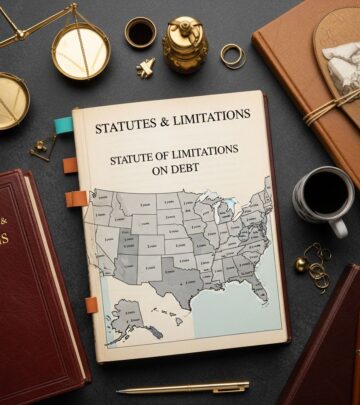
State statutes of limitations (SOL) further limit collection. These periods—typically 3-6 years from last payment or acknowledgment—bar lawsuits on “time-barred” debts. Collectors cannot sue or threaten to sue on expired debts, though voluntary payment remains an option. Acknowledging or partially paying can reset the SOL clock, so caution is advised.
| Debt Type | Typical SOL Range | Example States |
|---|---|---|
| Credit Card | 3-6 years | Georgia (6 years), California (4 years) |
| Medical Debt | 1-6 years | Texas (4 years), New York (3 years) |
| Written Contracts | 4-10 years | Florida (5 years), Illinois (10 years) |
This table illustrates variations; always verify your state’s SOL via official resources.
When Collectors Cross the Line: Recognizing Violations
Illegal tactics persist despite laws. Common violations include threats of jail for non-payment, falsely claiming attorney involvement, or contacting employers to shame you. In Georgia, such actions breach both FDCPA and state fair practices laws, exposing collectors to penalties.
- Threats of arrest: Prohibited unless a warrant exists for contempt (rare for debt).
- Misrepresentation: Pretending to be law enforcement or inflating debt amounts.
- Invasion of privacy: Discussing debts with family or posting public notices.
If violated, document everything: call logs, letters, and witness statements strengthen your case.
Real Consequences of Unpaid Debt: Beyond Jail Fears
Without jail looming, unpaid debt still impacts life significantly. Creditors can sue within the SOL, obtaining judgments that authorize:
- Wage garnishment (up to 25% of disposable income federally, varying by state).
- Bank account levies.
- Property liens, complicating sales or refinancing.
Default judgments occur if you ignore summonses, amplifying creditor power. Post-judgment, enforcement follows court orders—no self-help repossession without process.
Credit scores suffer, with delinquencies lingering 7 years, hindering loans, rentals, or jobs.
Your Action Plan: Responding to Debt Collectors
Empower yourself with these steps:
- Verify the debt: Send a written dispute within 30 days; collection pauses.
- Request cessation: Demand no further contact in writing—collectors must comply except to confirm stopping.
- Monitor statutes: Check if time-barred; refuse payment offers that could restart SOL.
- Negotiate: Settle for less or payment plans, getting agreements in writing.
Communicate solely in writing to create records. Cease-and-desist letters are powerful tools.
Fighting Back: Legal Remedies and Reporting
Violations empower you to act. Sue under FDCPA within one year for up to $1,000 statutory damages, actual losses (e.g., emotional distress), and attorney fees. State courts handle additional claims.
Report to:
- FTC at consumer.ftc.gov.
- CFPB at consumerfinance.gov.
- State Attorney General (e.g., Georgia Department of Law).
Penalties for collectors include fines, injunctions, and license revocation. Class actions amplify impact for widespread abuses.
Debt Relief Strategies to Avoid Escalation
Proactive management prevents lawsuits:
- Credit counseling: Non-profits negotiate with creditors.
- Debt management plans: Consolidated payments at reduced rates.
- Bankruptcy: Chapter 7 wipes eligible debts; Chapter 13 restructures—stops collections immediately.
- Settlement: Lump-sum offers often at 30-50% of balance.
Consult accredited advisors; avoid debt settlement scams.
Frequently Asked Questions (FAQs)
Can I go to jail for unpaid credit card debt?
No, civil debt does not lead to criminal penalties like jail. Only court contempt for ignoring judgments might, but that’s exceptional.
What if a collector threatens arrest?
That’s illegal under FDCPA. Document and report; sue for violations.
Does partial payment restart the SOL?
Often yes—check state law before paying time-barred debts.
Can collectors garnish wages without a lawsuit?
No, a court judgment is required first.
How do I dispute a debt?
Send certified mail within 30 days of validation notice demanding proof.
Empowering Financial Recovery
Knowledge of your rights transforms debt stress into manageable action. Federal laws like FDCPA and state supplements ensure fair treatment, with robust remedies for abuses. Prioritize verification, documentation, and professional advice to resolve debts without fear of jail. Building better financial habits post-resolution secures long-term stability.
References
- Georgia Debt Collection Laws: An Overview for Debt Collectors — Tratta. 2023. https://www.tratta.io/blog/georgia-debt-collection-laws-overview
- When Legal Action Becomes Necessary for Debt Collection: A Clear Guide for Creditors — Collection Attorney Atlanta. 2024. https://collectionattorneyatlanta.com/blog/when-legal-action-becomes-necessary-for-debt-collection-a-clear-guide-for-creditors/
- How Collection Agencies Violate Debt Collection Laws — Luce Law, PC. 2023. https://www.lucelawpc.com/how-collection-agencies-violate-debt-collection-laws/
- Debt Collection & Laws Protecting Borrowers — Justia. 2024. https://www.justia.com/business-operations/collections-credit/docs/debt-collection/
- Debt Collection FAQs — Federal Trade Commission. 2025-03-15. https://consumer.ftc.gov/articles/debt-collection-faqs
- Debt Collectors: What They Can and Cannot Do — Georgia Attorney General Consumer Protection. 2024. https://consumer.georgia.gov/debt-collectors-what-they-can-and-cannot-do
- What laws limit what debt collectors can say or do? — Consumer Financial Protection Bureau. 2025. https://www.consumerfinance.gov/ask-cfpb/what-laws-limit-what-debt-collectors-can-say-or-do-en-329/
Similar Articles








Read full bio of medha deb