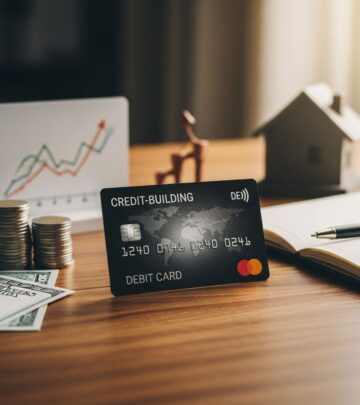
Can Debit Cards Help Build Credit? 5 Safe Alternatives
Explore whether everyday debit cards impact your credit score and discover innovative tools that turn debit spending into credit-building opportunities.
Debit cards offer convenient access to your bank funds for daily purchases, but they rarely contribute to your credit profile. Unlike credit cards, which involve borrowing and repayment tracked by credit bureaus, debit transactions simply deduct from your balance without generating reportable credit activity. This distinction keeps debit use off your credit reports from Equifax, Experian, and TransUnion, meaning no positive—or negative—impact on FICO or VantageScore metrics.
However, financial innovation has introduced exceptions. Certain debit-linked products now bridge this gap, reporting spending patterns as credit-like behavior to select bureaus. These tools appeal to those wary of traditional credit debt while seeking to establish a credit history essential for loans, rentals, and employment.
Why Standard Debit Cards Skip Credit Reports
Credit scores measure your reliability as a borrower based on five factors: payment history (35%), amounts owed (30%), length of credit history (15%), new credit (10%), and credit mix (10%). Debit cards bypass this entirely since no loan or credit line exists.
- No Borrowing Involved: You spend pre-existing funds, avoiding the debt cycle that bureaus monitor.
- Bank Reporting Practices: Financial institutions rarely submit debit data to bureaus, as it’s irrelevant to creditworthiness assessments.
- Prepaid Parallels: Reloadable prepaid cards follow the same non-reporting rule, loaded with your money upfront.
This neutrality protects against score drops from overspending but hinders credit-building for newcomers or those rebuilding after setbacks. Without activity, thin files lead to ‘no score’ status, complicating major financial steps.
Emerging Debit Cards That Report to Credit Bureaus
A handful of fintech solutions mimic credit accounts via debit interfaces, transforming routine spending into bureau-reportable data. These charge fees but skip hard inquiries and interest.
| Product Type | How It Works | Bureaus Reported | Key Fees |
|---|---|---|---|
| Credit-Building Debit Cards | Links to checking; sets spending limit based on balance; reports utilization and payments monthly | Experian, Equifax | Annual membership |
| Debit-Linked Credit Builders | Virtual secured line tied to deposit; user controls utilization ratio | Varies by provider | Deposit required |
| Smart Debit Tools | Adds on-time bill payments from linked debit accounts to credit file | Experian | Free |
For instance, one debit card verifies funds before each purchase, advances the amount as a micro-loan, then repays itself—reporting the limit and payments to build positive history. Another, like Experian Smart Money, integrates debit use with optional boosts from utility payments. Results vary: responsible low-utilization use (under 30%) can raise scores, but high balances mimic credit maxing.
Debit vs. Credit: A Side-by-Side Comparison
Understanding differences clarifies why debit lags in credit-building but excels in debt prevention.
| Aspect | Debit Card | Credit Card |
|---|---|---|
| Spending Limit | Account balance | Credit line |
| Credit Impact | None (standard) | Builds/hurts based on use |
| Debt Risk | Low (overdraft fees possible) | High if unpaid |
| Perks | ATM access, no interest | Rewards, protections |
| Building Potential | Limited exceptions | High with responsibility |
Debit pros include spending discipline—you can’t overspend beyond funds—and fee-free daily use. Cons: no score improvement, vulnerability in emergencies without buffers. Credit flips this: rewards abound, but interest accrues on carries, and misuse tanks scores.
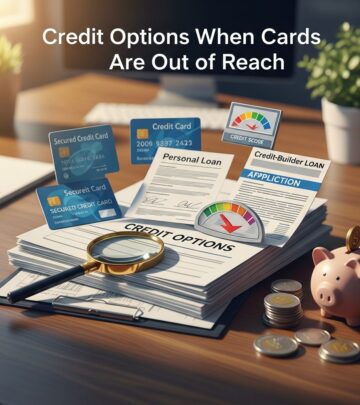
Proven Paths to Build Credit Without Full Credit Cards
For debit loyalists, alternatives leverage existing habits safely.
- Secured Credit Cards: Deposit equals limit; reports like unsecured. Graduation to standard cards possible.
- Credit-Builder Loans: Monthly deposits into locked savings; payments reported as installments.
- Authorized User Status: Piggyback on trusted user’s seasoned account (ensure positive history).
- Rent/Utilities Reporting: Services like Experian Boost add positive payments instantly, free.
- Fintech Debit Hybrids: As noted, low-risk entry points.
Success hinges on habits: pay on time, keep utilization low, diversify accounts gradually.
Risks and Pitfalls of Credit-Building Debit Tools
Innovations aren’t flawless. Annual fees erode value for light users. Incomplete bureau coverage (e.g., not TransUnion) limits FICO 8/9 universality. Variable limits based on banking patterns risk unexpected restrictions.
Over-reliance stalls broader history development. Experts recommend layering with true credit products post-establishment. Always verify issuer reputation and read terms—fintech evolves rapidly.
Steps to Start Building Credit Today
Ready to act? Follow this roadmap.
- Check Reports: Free weekly via AnnualCreditReport.com; dispute errors.
- Select Tool: Match risk tolerance—free boosts first, then secured/debit hybrids.
- Monitor Usage: Apps track utilization; aim <10% initially.
- Automate Payments: Never miss to maximize 35% payment factor.
- Review Scores: Monthly via free tools like FICO from providers.
Patience pays: visible improvements emerge in 3-6 months with consistency.
Frequently Asked Questions
Do all debit cards report to credit bureaus?
No, only specialized ones like certain fintech products do; standard bank debit cards do not.
Can prepaid cards build credit?
Typically no, as they function like debit without bureau reporting.
How long until debit-reported activity boosts my score?
1-2 months post-first report, assuming positive patterns.
Is there a fee for credit-boost services like Experian Boost?
No, it’s free and scans eligible payments.
Should I close unused debit-linked accounts after building credit?
Keep open for history length; monitor fees.
Final Thoughts on Smart Credit Foundations
Debit cards safeguard budgets but rarely forge credit paths alone. Embrace hybrids and alternatives for low-stakes entry, prioritizing timeless principles: timeliness and restraint. This foundation unlocks loans, apartments, and opportunities sustainably.
References
- How Do Debit Cards That Build Credit Work? — myFICO. 2023. https://www.myfico.com/credit-education/blog/debit-cards-build-credit
- 7 Things That Won’t Hurt Your Credit Scores — Equifax. 2024-01-15. https://www.equifax.com/personal/education/credit/score/articles/-/learn/7-things-that-wont-hurt-credit-scores/
- Credit Cards vs. Debit Cards: The Pros & Cons — Family Credit Union. 2025-08-01. https://www.familycu.com/credit-cards-vs-debit-cards-the-pros-cons/
- Debit Cards vs Credit Cards Key Differences and Benefits — Dollar Bank. 2025-08-01. https://dollar.bank/be-dollar-wise/august-2025/debit-cards-vs-credit-cards-key-differences-and-benefits
- Is it Possible to Build Credit With a Debit Card? — SoFi. 2024. https://www.sofi.com/learn/content/build-credit-with-debit-card/
- Credit vs Debit: The Difference Between Debit and Credit Cards — Bank of America Better Money Habits. 2025. https://bettermoneyhabits.bankofamerica.com/en/personal-banking/difference-between-debit-and-credit
- Can You Build Credit With a Debit Card? — Experian. 2025. https://www.experian.com/blogs/ask-experian/can-you-build-credit-debit-card/
Similar Articles








Read full bio of medha deb