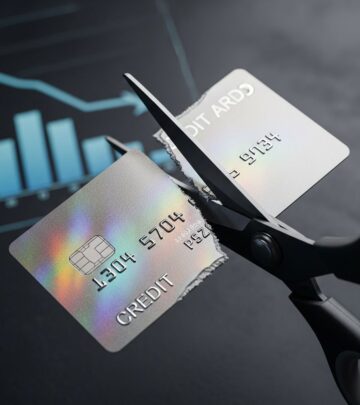
Can Credit Limits Drop from Low Usage?
Discover if infrequent credit card use can trigger a limit reduction and learn strategies to safeguard your credit profile effectively.
Credit card issuers occasionally adjust limits downward, and while high-risk behaviors like late payments often trigger these changes, low account activity can also play a role. Understanding this dynamic helps consumers maintain strong credit profiles without unnecessary spending.
Understanding Credit Limit Adjustments
Credit limits represent the maximum borrowing amount approved by issuers based on factors like income, credit history, and perceived risk. Issuers monitor accounts continuously and may lower limits to manage exposure, especially during economic shifts or when behavioral patterns change.
Low usage, defined as infrequent transactions or zero balances over extended periods, signals dormancy to lenders. This inactivity might prompt reviews, as unused credit ties up capital without generating revenue from interest or fees.
Primary Triggers for Limit Reductions
Several factors beyond spending levels influence decisions:
- Risk indicators: Late payments, collections, or bankruptcies on reports often lead to immediate cuts, affecting about 25% of cases studied.
- Changed spending patterns: Sudden high charges after dormancy or carrying balances instead of paying in full can flag risk.
- Account inactivity: Prolonged non-use may result in limit drops or closures, as issuers reallocate resources.
- Overall credit health: Drops in scores from new debt, inquiries, or errors prompt adjustments.
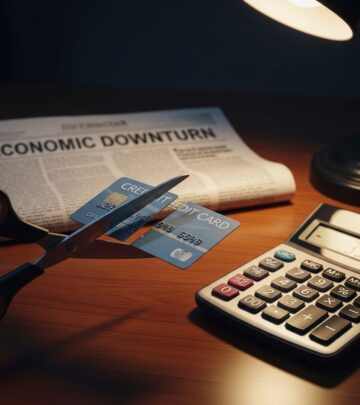
- External factors: Economic downturns or portfolio rebalancing lead to broad reductions.
Issuers use algorithms scanning credit reports and internal data for these “triggers,” acting proactively to limit potential losses.
Does Low Spending Directly Cause Decreases?
Infrequent use alone rarely triggers cuts if the account shows positive history, but it heightens vulnerability. Lenders view dormant cards as unprofitable and risky if activated suddenly. Studies indicate one in five consumers face limits lowered or accounts closed, with three-fourths lacking obvious report triggers—suggesting internal metrics like low utilization or cash advances factor in.
Paying off debt fully, while beneficial, can counterintuitively lead to reductions if it shifts revenue from interest-bearing balances. Issuers balance customer loyalty against business needs.
Effects on Credit Scores and Utilization
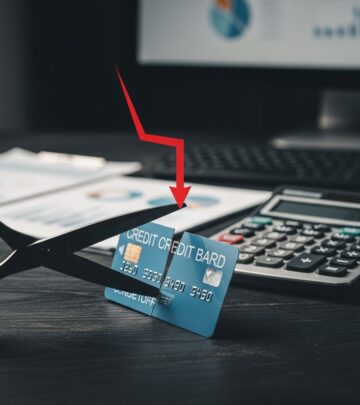
A limit decrease spikes
credit utilization ratio
—the balance divided by limit—which comprises 30% of FICO scores. For example:| Scenario | Original Limit | Balance | Utilization | New Limit | New Utilization |
|---|---|---|---|---|---|
| Before Cut | $10,000 | $2,000 | 20% | – | – |
| After Cut | – | $2,000 | – | $5,000 | 40% |
High utilization above 30% harms scores, even without increased spending. Sudden jumps can drop scores significantly if not addressed.
Broader Financial Implications
Beyond scores, lower limits restrict emergency borrowing, affect mortgage or loan approvals, and signal instability to future lenders. During crises like COVID-19, widespread cuts amplified these issues.
Proactive management preserves access to credit while optimizing scores.
Strategies to Prevent Limit Drops
Keep accounts active responsibly:
- Make small, regular purchases (e.g., gas) and pay off monthly to show usage without debt.
- Maintain utilization under 30% across cards.
- Monitor reports via AnnualCreditReport.com for errors.
- Update income details with issuers after job changes.
- Avoid maxing limits or excessive inquiries.
Request increases periodically if history supports it, providing updated financials.
Responding to a Limit Reduction
If notified:
- Contact the issuer: Ask reasons and request reinstatement, emphasizing payment reliability.
- Pay down balances: Lower utilization to mitigate score damage.
- Review notices: Adverse action letters detail causes; request specifics if absent.
- Dispute errors: Correct report inaccuracies promptly.
Many reinstate limits after reassurance of stability.
Issuer Perspectives and Policies
Lenders like Chase note voluntary reductions for liability control, but involuntary cuts stem from risk models. Regulations require notices for adverse actions, promoting transparency. Consumer Financial Protection Bureau outlines rights to explanations.
Long-Term Credit Building Tips
To avoid issues:
- Diversify credit mix without overextending.
- Build payment history (35% of scores).
- Limit new applications.
Balanced usage sustains limits and scores.
Frequently Asked Questions
Why lower my limit without warning?
Issuers can adjust without notice unless adverse action applies; reasons include risk changes or policy shifts.
Does closing unused cards help?
Often not—reduces available credit, raising utilization.
How soon after a cut does it affect scores?
Next report update, typically 30-45 days.
Can I negotiate a higher limit post-cut?
Yes, with proof of responsibility.
Is low usage worse than high?
Both risky: high signals overextension, low inactivity.
This 1678-word guide equips you to navigate credit dynamics confidently.
References
- When a lender lowers your credit limit — myFICO. Accessed 2026. https://www.myfico.com/credit-education/credit-scores/why-lenders-lower-credit-limit
- Credit Limit Decrease: Causes, Effects, and Solutions — Business Insider. Accessed 2026. https://www.businessinsider.com/personal-finance/credit-cards/what-to-do-credit-line-decrease
- Why Did My Credit Limit Decrease After Paying Off Debt? — JG Wentworth. Accessed 2026. https://www.jgwentworth.com/resources/why-credit-limit-decrease-after-paying-debt
- What to Do if a Credit Card Issuer Lowers Your Credit Limit — NerdWallet. Accessed 2026. https://www.nerdwallet.com/credit-cards/learn/what-to-do-if-a-credit-card-issuer-lowers-your-credit-limit
- How Will a Lowered Credit Limit Affect My Credit Scores? — Equifax. Accessed 2026. https://www.equifax.com/personal/education/credit/score/articles/-/learn/lowered-credit-limit-credit-scores/
- Reducing Your Credit Limit: Things to Consider — Chase. Accessed 2026. https://www.chase.com/personal/credit-cards/education/basics/reducing-credit-limit
- Why did I get a low credit limit on a credit card? — Consumer Financial Protection Bureau. Accessed 2026. https://www.consumerfinance.gov/ask-cfpb/why-did-i-get-a-low-credit-limit-on-a-credit-card-en-11/
Similar Articles








Read full bio of Sneha Tete