Bike Sharing: 5 Ways It Can Save You Money
Discover if bike sharing programs can cut your transportation costs while boosting health and sustainability in urban living.
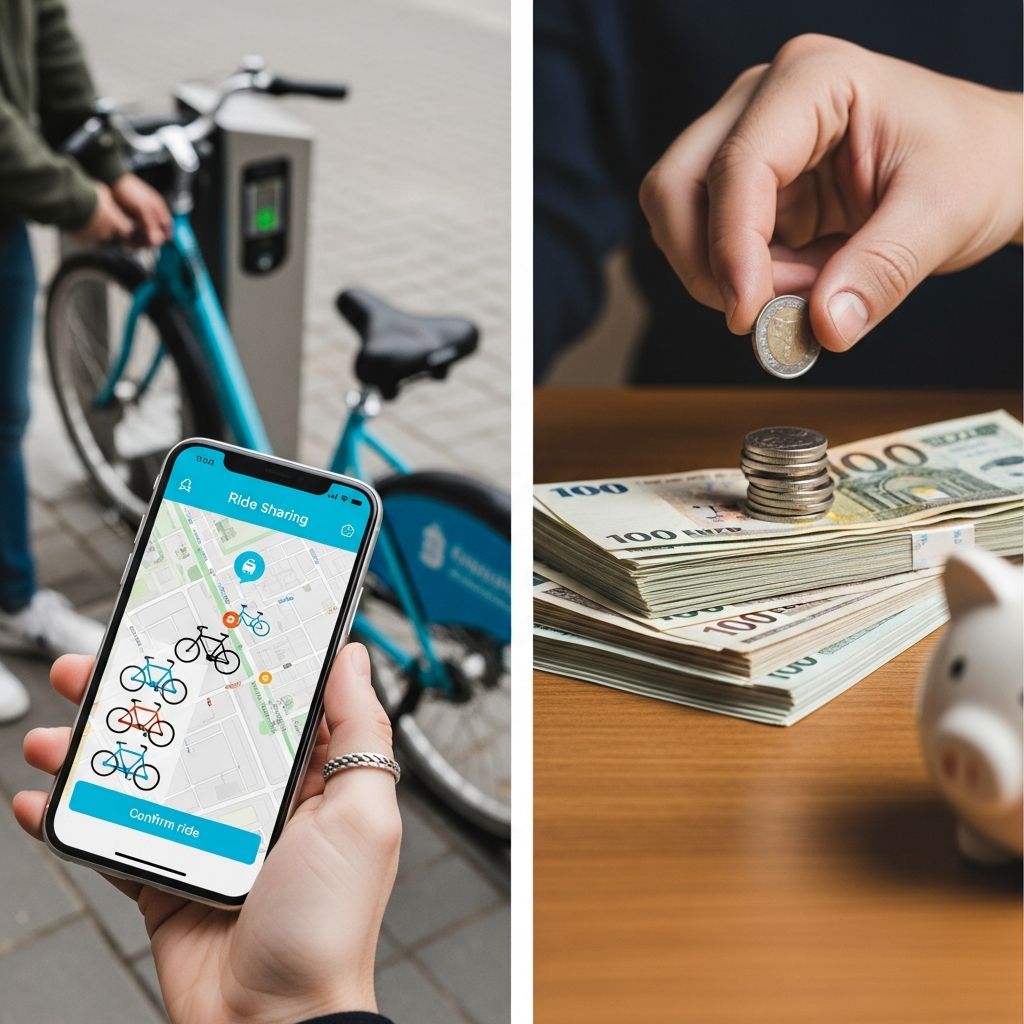
Bike sharing programs offer a flexible, affordable way to get around cities, potentially saving users hundreds of dollars annually compared to driving, taxis, or rideshares.
With docked and dockless options available in major urban areas, these services integrate seamlessly into daily routines, replacing short car trips and promoting cost-effective mobility.
What Is Bike Sharing?
Bike sharing allows users to rent bicycles via apps for short-term use, either from docking stations or freely located dockless bikes, making it ideal for quick urban trips.
Programs like Citi Bike in New York or Capital Bikeshare in Washington D.C. provide unlimited 30-45 minute rides with memberships, encouraging frequent use without ownership hassles.
Users unlock bikes via smartphone apps, ride to their destination, and lock them for the next rider, supporting multimodal travel with buses or subways.
How Much Does Bike Sharing Cost?
Costs vary by city and model, but annual memberships typically range from $50 to $200, unlocking unlimited short rides—far cheaper than car ownership or frequent rideshares.
- Single rides: $2.50-$4, ideal for occasional use.
- Day passes: $10-$15 for multiple rides.
- Annual memberships: $85-$180, with overage fees for rides exceeding 30-45 minutes.
Average users save over $500 per year by replacing car trips, especially with e-bikes that extend range without extra fuel costs.
In Europe, bike sharing reduces mobility expenses by up to 90% versus cars, generating €305 million annually in user savings and broader economic value.
Bike Sharing vs. Other Transportation Options
Bike sharing outperforms cars, taxis, and public transit for short urban trips under 3-5 miles, combining low cost with exercise benefits.
| Option | Cost per Mile (Avg.) | Annual Cost (500 miles) | Other Factors |
|---|---|---|---|
| Bike Share | $0.10-$0.50 | $50-$250 | Exercise, no parking fees |
| Car (Gas/Ownership) | $0.60-$1.00 | $300-$500 | Insurance, maintenance |
| Rideshare (Uber/Lyft) | $1.00-$2.00 | $500-$1,000 | Surge pricing |
| Public Transit | $0.20-$0.50 | $100-$250 | Fixed routes |
Data shows bike sharers in the U.S. save the healthcare system $36 million yearly through reduced inactivity-related illnesses.
For low-income NYC communities, expansions cost just $34 net per person over 10 years, factoring health savings.
Real Cost Savings Examples
A typical commuter replacing five weekly 2-mile rides saves $400+ yearly versus rideshares, plus avoiding $100 in parking.
In New York, Citi Bike users prevent 15 deaths annually citywide, saving $111 million in health costs for 100,000 riders.
- Washington D.C.: 4% congestion drop via Capital Bikeshare, freeing productive hours worth millions.
- Europe: 46,000 tons CO₂ saved yearly, €40 million healthcare savings.
Users report ditching gym memberships, as rides double as workouts, amplifying savings.
Health and Environmental Benefits
Bike sharing boosts physical activity, cutting chronic disease risk and saving 737 disability-adjusted life years (DALYS) nationwide.
Riders gain cardiovascular health, reduced obesity, and lower pollution exposure versus cars.
Environmentally, it slashes emissions: 46,000 tons CO₂ and 200 tons pollutants avoided Europe-wide yearly.
Cities like Paris and Copenhagen use data to reclaim parking for green spaces, enhancing livability.
Who Benefits Most from Bike Sharing?
- Urban commuters: Short trips to work or errands beat traffic.
- Students/low-income: Tiered pricing and subsidies make it accessible.
- Fitness enthusiasts: Free exercise integrated into travel.
- Families/tourists: Day passes for exploration without rentals.
Post-COVID, daily cycling habits persist, linking to better public health.
Potential Drawbacks and Costs to Watch
Overage fees for long rides ($2-5 per 30 minutes) can add up; theft/vandalism risks exist, though insured.
Weather dependency and bike availability issues occur, but apps show real-time locations.
Injury risks are low—far below cars—but helmets recommended; programs offset via health gains.
Tips to Maximize Savings with Bike Sharing
- Opt for annual memberships if riding 3+ times weekly.
- Combine with transit for longer trips.
- Track rides via apps to avoid overages.
- Seek employer/city subsidies for low-income users.
- Use e-bikes for hills, saving energy.
Businesses subsidize via ESG programs, boosting employee wellness.
Frequently Asked Questions (FAQs)
Is bike sharing cheaper than owning a car?
Yes, for short urban trips; users save $500+ yearly by avoiding gas, insurance, and parking.
How much exercise do you get from bike sharing?
30-minute rides meet daily activity goals, preventing chronic diseases and saving healthcare dollars.
Are bike shares available in small cities?
Expanding to mid-sized areas; check apps like Lyft or local providers for coverage.
What if a bike breaks down mid-ride?
Most programs offer support tickets for credits; report via app immediately.
Do bike shares help the environment?
Absolutely: reduces CO₂ by thousands of tons yearly and eases congestion.
Bike Sharing in 2026 and Beyond
AI optimizes fleets, data drives urban planning, and expansions promise €1 billion European benefits by 2030.
For operators, revenue from ads and subscriptions grows; cities gain congestion relief and grants.
With scalable models, bike sharing remains a smart, money-saving choice for sustainable commuting.
References
- The Benefits of Bike Sharing Explored: 2026 & Beyond — Movmi. 2026. https://movmi.net/blog/world-bicycle-day-2022-benefits-of-bike-sharing/
- Cost-Effectiveness of Bike Share to Low-Income NYC Communities — PMC/NCBI. 2018-12-01. https://pmc.ncbi.nlm.nih.gov/articles/PMC6286277/
- Bike sharing generates €305 million a year across Europe — EIT Europa. 2023. https://www.eit.europa.eu/news-events/news/bike-sharing-generates-eu305-million-year-across-europe
- Bike-sharing advantages and disadvantages — ATOM Mobility. 2023. https://www.atommobility.com/blog/bike-sharing-advantages-and-disadvantages-what-to-bear-in-mind
- Study: Bike Share Saves US $36M Public Health Dollars/Year — Streetsblog USA. 2021-07-23. https://usa.streetsblog.org/2021/07/23/study-bike-share-saves-the-u-s-36-million-public-health-dollars-every-year
- The 3 Health Impacts of a Bike Share System for Cities — Lyft Urban Solutions. 2021-08. https://lyfturbansolutions.com/blog/2021/08/the-3-health-impacts-of-a-bike-share-system-for-cities
Similar Articles








Read full bio of Sneha Tete