Can Bankruptcy Erase Court Judgments?
Discover how filing for bankruptcy impacts court judgments, offering relief from collections while navigating liens and non-dischargeable debts.
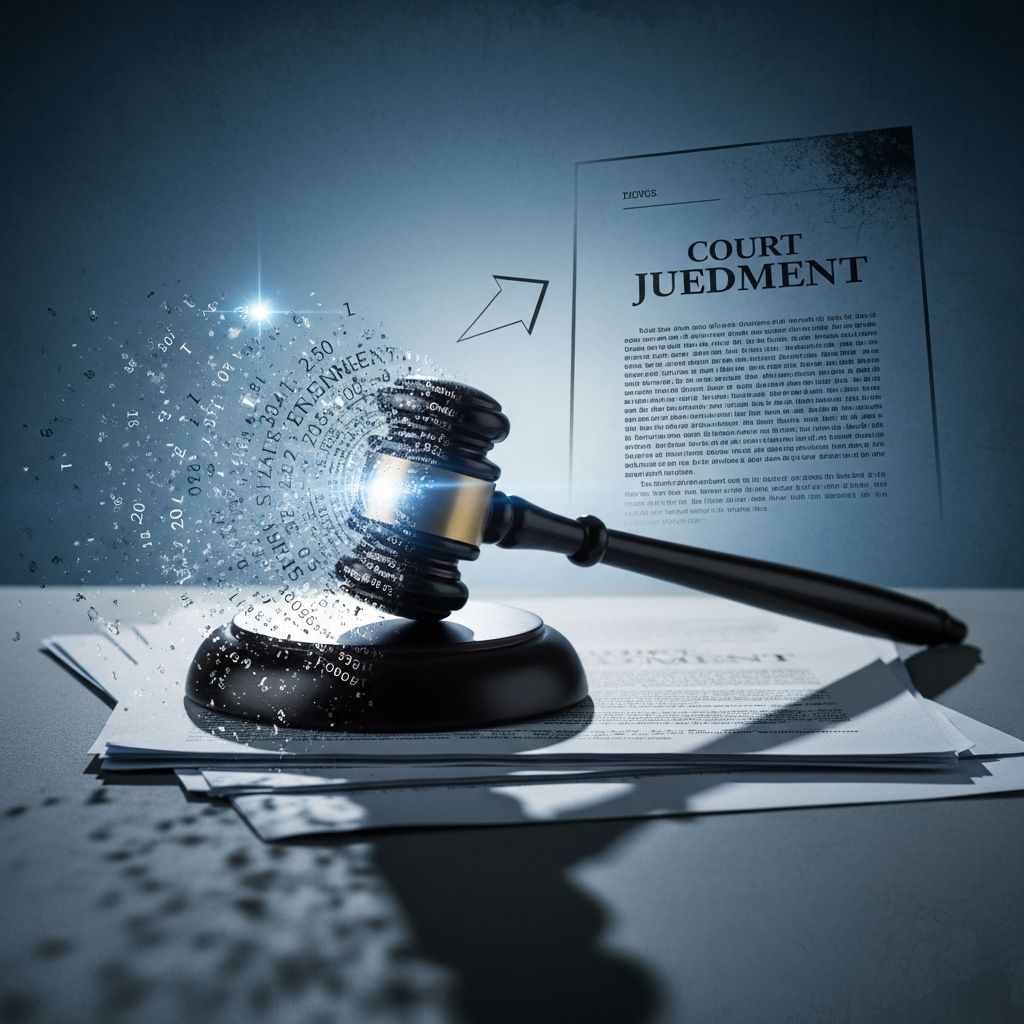
Court judgments represent formal court orders requiring payment of debts, often leading to aggressive collection actions like wage garnishment or bank levies. Filing for bankruptcy triggers an automatic stay that halts these efforts immediately, and in many instances, discharges the underlying debt, providing substantial relief.
Understanding Court Judgments and Their Consequences
A court judgment arises when a creditor sues successfully over unpaid debt, resulting in a legal mandate to repay. These can stem from credit card defaults, medical bills, or loans. Once issued, creditors gain powerful tools: they may garnish up to 25% of wages, seize bank funds, or impose liens on property, severely disrupting daily finances.
Judgments compound debt stress by limiting financial flexibility. For instance, property liens hinder sales or refinancing, while wage deductions strain budgets for essentials. Public records of judgments historically damaged credit, though recent changes limit this impact.
The Automatic Stay: Instant Protection from Judgment Enforcement
Upon bankruptcy filing, an automatic stay activates under federal law, prohibiting creditors from collection activities. This includes stopping wage garnishments, bank levies, and property seizures tied to judgments. Pending lawsuits for new judgments also pause, often resolving in the debtor’s favor post-discharge.
This stay applies universally to Chapter 7 and Chapter 13 filings, offering breathing room. Creditors violating it face penalties, ensuring compliance. For judgment holders, it shifts focus to bankruptcy court proceedings.
Dischargeability: Which Judgments Can Bankruptcy Eliminate?
Bankruptcy discharges the personal liability for many judgments if the underlying debt qualifies. The judgment’s origin—consent, default, or trial—does not determine discharge; the debt type does.
- Dischargeable judgments: Typically unsecured consumer debts like credit cards, medical bills, or retail accounts.
- Chapter 7 liquidation: Wipes out eligible debts quickly, often within months.
- Chapter 13 reorganization: Restructures payments over 3-5 years, discharging remainder upon completion.
However, liens created by judgments survive discharge unless actively removed, distinguishing between debt forgiveness and property encumbrances.
Judgment Liens: Survivors of Bankruptcy Discharge
Judgments often evolve into liens upon recording, securing debt against real or personal property. Bankruptcy discharges personal obligation but leaves liens intact, potentially blocking asset sales.
| Lien Type | Bankruptcy Effect | Removal Options |
|---|---|---|
| Unsecured Judgment | Debt discharged; no lien typically | N/A |
| Recorded Abstract of Judgment Lien | Lien survives on pre-filing property | Motion to avoid under 11 U.S.C. §522(f) |
| Secured Lien (e.g., mortgage deficiency) | Partially protected; excess may discharge | Strip or cramdown in Chapter 13 |
To eliminate liens, debtors file motions in bankruptcy court. Success depends on equity calculations and state exemptions. Pre-filing liens on homes or vehicles require proactive steps.
Non-Dischargeable Judgments: Exceptions That Persist
Not all judgments vanish. Certain debts remain enforceable post-bankruptcy, requiring creditors to prove non-dischargeability via adversary proceedings.
- Fraudulent debts or misrepresentations.
- Willful injury to persons or property.
- Drunk driving-related awards.
- Government fines, taxes, or student loans.
- Domestic support obligations like alimony.
Creditors must act timely, often within 60 days of the creditors’ meeting. Default judgments lack preclusive effect, allowing fresh bankruptcy court review.
Credit Report Implications: Bankruptcies vs. Judgments
Since 2018, major bureaus (Experian, Equifax, TransUnion) removed judgments from public records sections. Only bankruptcies appear: Chapter 7 for 10 years, Chapter 13 for 7 years from filing.
Thus, post-discharge judgments exert no direct credit score impact, unlike bankruptcies, which initially slash scores by 100-200 points. Scores recover over time with positive habits.
Chapter 7 vs. Chapter 13: Strategic Choices for Judgment Relief
Chapter 7: Swift Debt Elimination
Ideal for low-asset debtors, Chapter 7 liquidates non-exempt property to pay creditors, discharging most judgments in 3-6 months. Liens need separate avoidance.
Chapter 13: Repayment Plans and Lien Stripping
For those with steady income, Chapter 13 allows keeping assets via affordable plans. It enables lien stripping on wholly unsecured mortgages and better handles judgment liens.
Comparison Table:
| Aspect | Chapter 7 | Chapter 13 |
|---|---|---|
| Duration | 3-6 months | 3-5 years |
| Property Retention | Liquidation risk | Full retention |
| Lien Handling | Avoidance motion | Strip/cramdown |
| Judgment Discharge | Eligible unsecured | Post-plan |
Steps to Take Before and After Filing Bankruptcy
Prior to filing:
- List all judgments and creditors accurately.
- Gather litigation documents for non-discharge fights.
- Consult attorney to assess exemptions and strategies.
Post-discharge:
- Monitor credit reports for lingering inaccuracies.
- File lien release motions if needed.
- Rebuild credit via secured cards and timely payments.
Frequently Asked Questions (FAQs)
Does filing bankruptcy stop wage garnishment from a judgment?
Yes, the automatic stay halts garnishments immediately upon filing.
Can I remove a judgment lien in bankruptcy?
Yes, via avoidance motions if it impairs exemptions, but action is required.
Will a judgment for fraud survive bankruptcy?
Yes, if proven non-dischargeable through court.
How long does bankruptcy stay on my credit report?
Chapter 7: 10 years; Chapter 13: 7 years.
Is Chapter 13 better for judgments with liens?
Often yes, due to lien modification tools.
Professional Guidance: When to Consult an Attorney
Bankruptcy rules vary by jurisdiction and case specifics. An experienced attorney evaluates dischargeability, lien risks, and optimal chapter, maximizing relief. Free consultations often clarify paths forward.
Facing judgments doesn’t mean permanent defeat. Bankruptcy offers structured escape, discharging debts and halting collections, though liens and exceptions demand attention.
References
- Does Bankruptcy Get Rid of Judgments? — Experian. 2023. https://www.experian.com/blogs/ask-experian/does-bankruptcy-get-rid-of-judgments/
- Deficiency Judgments Explained: How Bankruptcy Can Protect — Calwest Law. 2026-01. https://www.calwestlaw.com/blog/2026/january/deficiency-judgments-explained-how-bankruptcy-ca/
- Navigating Judgment Collection When a Debtor Declares Bankruptcy — WS Law NYC. N/A. https://wslaw.nyc/navigating-judgment-collection-when-a-debtor-declares-bankruptcy/
- The Effect of a Judgment After Trial on Your Bankruptcy — Scura. N/A. https://www.scura.com/blog/the-effect-of-a-judgment-after-trial-on-your-bankruptcy
- What Effect Does Bankruptcy Have on Judgments? — Steele Bankruptcy. 2024-02. https://www.steelebankruptcy.com/blog/2024/02/what-effect-does-bankruptcy-have-on-judgments/
- The Effect of Bankruptcy on Abstracts of Judgments — WFG Title. 2020-03. https://wfgtitle.com/wp-content/uploads/2020/03/The-Effect-of-Bankruptcy-on-Abstracts-of-Judgments.pdf
- The Impact of Bankruptcy on Your Collection Practice — Saiber. 2022-01-28. https://www.saiber.com/insights/publications/2022-01-28-the-impact-of-bankruptcy-on-your-collection-practice
Similar Articles








Read full bio of medha deb