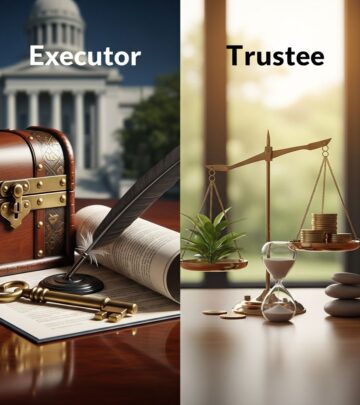
Can An Executor Decide Who Gets What? 7 Key Duties Explained
Understand the executor's role in estate distribution: bound by the will or law, with fiduciary duties to ensure fair asset allocation.

The role of an executor is central to settling a deceased person’s estate, but a common question arises: can an executor decide who gets what? In short, no—an executor must follow the instructions in the will or state intestacy laws if no will exists. They act as a fiduciary, prioritizing the estate’s and beneficiaries’ best interests by managing assets, paying debts, and distributing property as directed.
Executors, also called personal representatives in some states, handle probate—the legal process validating a will and overseeing asset transfer. This involves inventorying assets, settling obligations, and ensuring fair distribution without personal bias. Misunderstanding this can lead to disputes, so clarity on their powers and limits is crucial for families navigating loss.
What Is an Executor?
An executor is the individual or entity named in a will to administer the deceased’s estate. Their primary duty is to carry out the testator’s (deceased’s) wishes by managing financial affairs, paying debts and taxes, and distributing assets to beneficiaries. If no will exists, a court appoints an administrator with similar responsibilities under state intestacy laws.
Executors have a fiduciary duty, meaning they must act impartially, prudently, and loyally to beneficiaries. This legal obligation prevents self-dealing or favoritism. Common choices for executors include family members, trusted friends, attorneys, or banks, selected for their reliability in handling complex tasks.
- Key traits of a good executor: Organized, financially savvy, impartial, and willing to commit time (often 1-2 years for probate).
- Compensation: Executors receive reasonable fees from the estate, varying by state (e.g., percentage of estate value).
Executor Duties: A Step-by-Step Guide
Executor responsibilities are multifaceted, requiring coordination with courts, professionals, and beneficiaries. Here’s a comprehensive breakdown:
- Locate and File the Will: Secure the original will, obtain death certificates, and file for probate within state timelines (often 30-90 days).
- Notify Interested Parties: Inform beneficiaries, heirs, creditors, and agencies like Social Security or utilities of the death.
- Inventory and Value Assets: Compile a detailed list of bank accounts, real estate, investments, personal property, and debts. Hire appraisers for accuracy; file inventory with probate court.
- Manage Estate Assets: Open an estate bank account, secure property, pay ongoing bills (e.g., mortgages, insurance), and make prudent investments to preserve value.
- Pay Debts and Taxes: Settle valid creditor claims after a notice period, file final income tax returns, and estate tax returns if applicable (federal threshold $13.61 million in 2024). Use estate funds only—no personal liability unless negligent.
- Distribute Assets: Transfer property to beneficiaries per the will once cleared. Obtain receipts and document everything.
- Close the Estate: File final accounting with court, gain approval, and petition to discharge duties.
This process demands meticulous record-keeping to avoid challenges. Courts oversee probate to ensure compliance.
Can an Executor Change the Will or Decide Who Gets What?
No, an executor cannot unilaterally decide who receives what or alter the will. They must adhere strictly to its terms. If the will specifies “$10,000 to my son” or “house to my spouse,” the executor enforces that distribution.
Without a will, distribution follows state intestacy laws, prioritizing spouse, children, then other relatives—again, no executor discretion. Exceptions are rare and court-approved, like selling assets to pay debts, but proceeds go to intended beneficiaries proportionally.
| Scenario | Executor’s Power | Example |
|---|---|---|
| Valid Will Exists | Limited to execution | Distribute per named shares; cannot reassign. |
| No Will (Intestate) | None—follow state law | Spouse gets 50%, children split rest (varies by state). |
| Debts Exceed Assets | Sell assets with court OK | Prioritize secured debts; remainder prorated. |
| Disputes Arise | Report to court | Cannot favor family; fiduciary breach possible. |
Executors deciding otherwise risk removal, lawsuits, or personal liability for mismanagement.
What an Executor Cannot Do
While empowered to manage the estate, executors face strict prohibitions to protect beneficiaries:
- Ignore the Will: Cannot rewrite beneficiaries or ignore bequests.
- Self-Deal: Cannot buy estate assets or profit personally without court approval and beneficiary consent.
- Favor Beneficiaries: Must treat all impartially; no gifts or advances without authorization.
- Delay Indefinitely: Must act diligently; undue delays invite court intervention.
- Pay Invalid Debts: Creditors must prove claims; reject fraudulent ones formally.
- Comingle Funds: Estate money stays separate from personal accounts.
Violations constitute breach of fiduciary duty, potentially leading to surcharge (repaying losses) or denial of fees.
Common Challenges Executors Face
Estates often involve complications:
- Family Disputes: Beneficiaries contesting shares; communicate transparently and involve mediators.
- Complex Assets: Businesses, out-of-state property, or cryptocurrencies require experts.
- Taxes and Debts: High estate taxes or hidden liabilities deplete funds.
- Probate Delays: Court backlogs or litigation extend timelines.
To mitigate, executors should hire probate attorneys, accountants, and appraisers early. Bonding may be required in some states for protection.
Frequently Asked Questions (FAQs)
Can an executor override a will?
No. Executors must follow the will precisely or face legal consequences.
What if the will is ambiguous?
Seek court interpretation or probate judge clarification; do not improvise.
How long does an executor serve?
Typically 6-18 months, longer for complex estates.
Can an executor resign?
Yes, with court approval and successor appointment.
Does an executor get paid?
Yes, reasonable compensation from estate funds, often 2-5% of value.
What if there’s no will?
Court appoints an administrator; assets distributed by intestacy laws.
Conclusion
Executors play a vital role in honoring a loved one’s legacy but lack discretion to decide “who gets what.” By faithfully executing duties—managing assets, settling debts, and distributing per the will—they uphold trust and legality. Families should discuss estate plans early, perhaps using trusts to bypass probate. Consult professionals for personalized guidance.
(Word count: 1678)
References
- What Does an Executor of a Will Do? Roles & Duties — MetLife. 2023. https://www.metlife.com/stories/legal/executor-of-estate/
- Executor of a Will Checklist: Your Step-by-Step Guide — Farm Bureau Financial Services. 2024. https://www.fbfs.com/learning-center/executor-of-a-will-checklist-your-step-by-step-guide
- The Critical Role of Estate Accounts in Executor Responsibilities — GRB Bank. 2024. https://www.grbbank.com/resource/the-critical-role-of-estate-accounts-in-executor-responsibilities/
- An Executor’s Legal Duties — Justia Probate Law Center. 2024-09-12. https://www.justia.com/probate/probate-administration/the-duties-of-an-executor-of-an-estate/
- What an Executor Can and Cannot Do — Trust & Will. 2024. https://trustandwill.com/learn/what-an-executor-cannot-do
- Responsibilities of an Estate Administrator — Internal Revenue Service (.gov). 2024. https://www.irs.gov/individuals/responsibilities-of-an-estate-administrator
- Duties of Executor Guide — Goodfellow AFB Legal Office (.mil). 2024-09. https://trustfellow.af.mil/Portals/5/documents/Legal%20Office%20Documents/Sep%202024%20Update/Duties%20of%20Executor%202024.pdf
Similar Articles








Read full bio of Sneha Tete