California State University Northridge: Profile & Overview
Explore CSUN's diverse programs, campus life, and opportunities for student success.
California State University Northridge: A Comprehensive College Profile
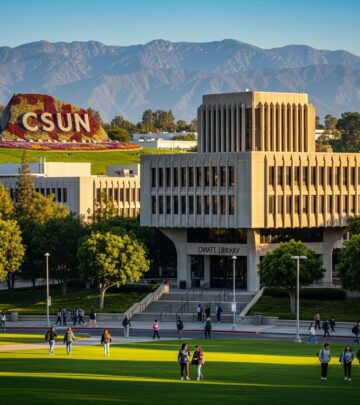
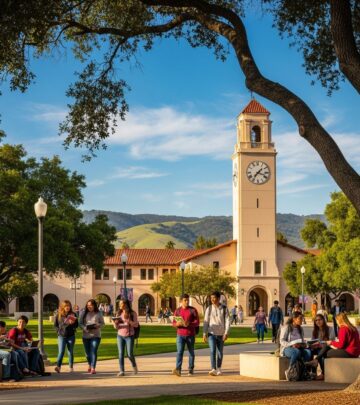
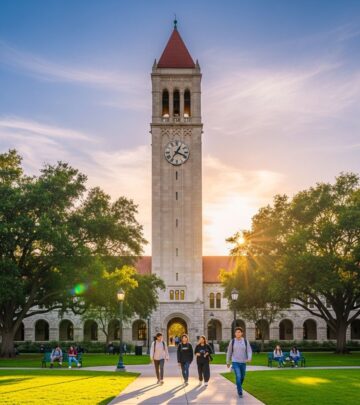
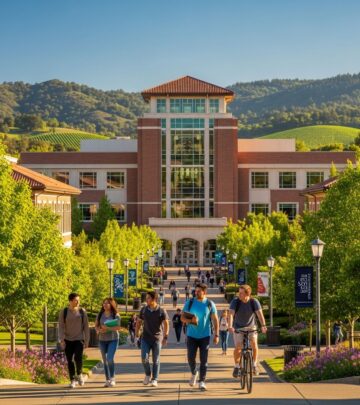
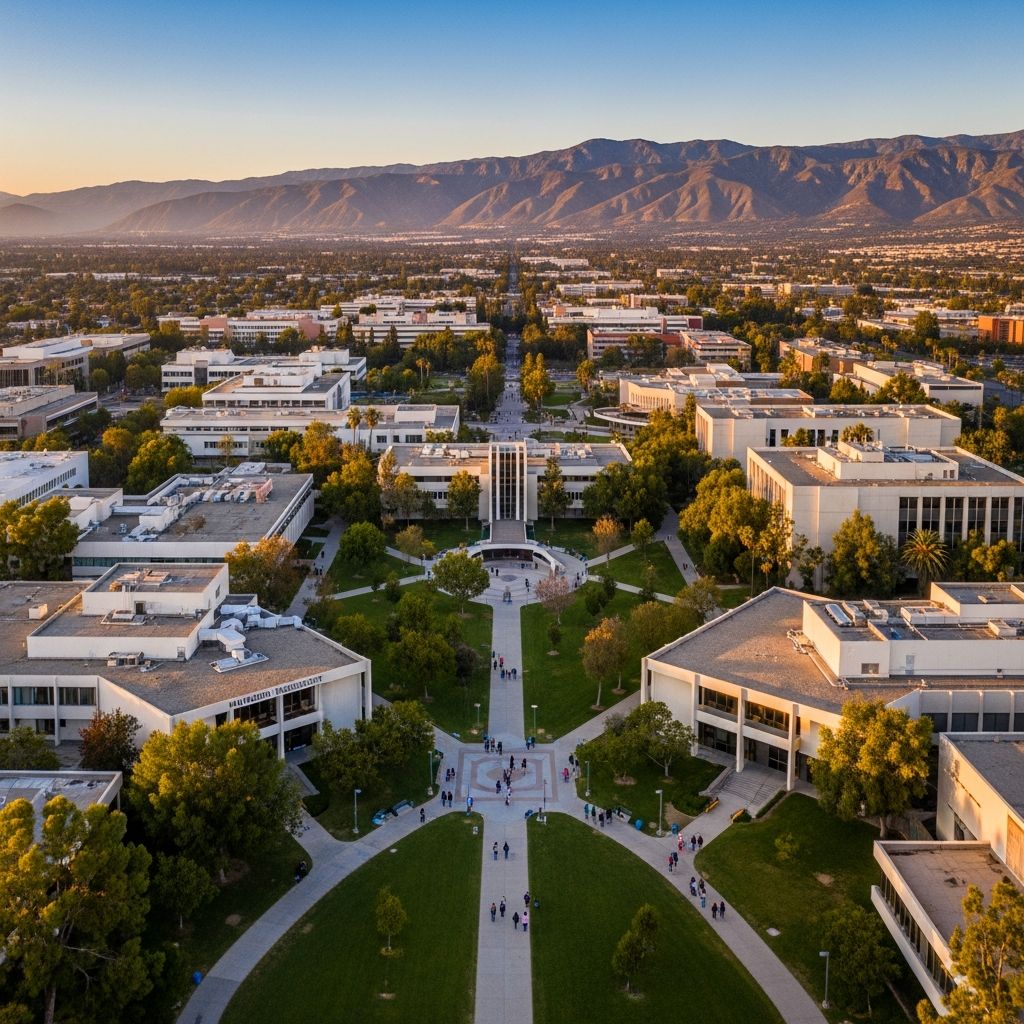
California State University Northridge (CSUN) stands as one of the most diverse and accessible comprehensive universities in the United States. Located in the heart of the San Fernando Valley, just 15 miles from Los Angeles, CSUN serves over 36,848 students across its expansive 353-acre campus. As the fourth-largest campus in the California State University system, CSUN has established itself as a leader in providing quality education to a diverse student population, including a significant majority of first-generation college students and Hispanic-serving institution designations.
Institution Overview and Mission
Founded in 1958 as San Fernando Valley State College, CSUN officially adopted its current name on June 1, 1972. The university’s mission centers on creating opportunities for all students to achieve academic excellence and contribute meaningfully to society. With a commitment to diversity, equity, inclusion, and justice, CSUN attracts students determined to build thriving careers and create a more equitable future. The institution offers nearly 200 academic programs, including 152 undergraduate majors and 109 master’s degree programs, along with several doctoral offerings.
Academic Programs and Offerings
Comprehensive Program Portfolio
CSUN provides an extensive range of educational opportunities across multiple disciplines. The university’s academic structure includes 134 different bachelor’s degree and master’s degree programs in 70 fields, along with four doctoral degrees. This breadth of offerings ensures that students can find programs aligned with their career goals and intellectual interests.
The most popular majors at CSUN reflect current workforce demands, with Psychology, Radio Television Broadcast, and Computer Science leading enrollment numbers. These programs benefit from experienced faculty and state-of-the-art facilities that prepare students for competitive job markets.
Unique Academic Centers
Beyond traditional degree programs, CSUN is home to specialized academic centers that advance knowledge and serve the broader community. The university houses the National Center on Deafness, positioning CSUN as a leader in disability services and accessibility initiatives. Additionally, CSUN hosts the annual International Conference on Technology and Persons with Disabilities, commonly known as the CSUN Conference, which brings together scholars, professionals, and advocates from around the world.
The Central American Studies Department represents another distinctive offering at CSUN. Established in 2000 after years of advocacy, this interdisciplinary program is the only of its kind to focus specifically on Central Americans in the United States. The program combines research and teaching to examine the transnational character of Central America and its diaspora communities.
Student Demographics and Diversity
A Diverse Student Body
CSUN’s student population reflects the rich diversity of Southern California. As of Fall 2023, undergraduate demographics show that 57% of students identify as Hispanic, 19% as White, 9% as Asian, 5% as Black, 3% as two or more races, 3% as foreign national, and 3% as unknown. This diversity extends beyond race and ethnicity to include significant socioeconomic variation, with 56% of students classified as low-income and 44% as affluent.
One of CSUN’s most significant distinctions is that 69% of its students are first-generation college students (Fall 2024). This statistic underscores the university’s critical role in providing access to higher education for families without previous college experience. CSUN’s commitment to supporting these students through comprehensive services and resources makes it an inclusive institution dedicated to ensuring success across all student populations.
Admissions and Student Support Services
Accessibility and Affordability
CSUN ranks among the top colleges in the nation for value, making it an accessible option for students seeking quality education without excessive debt. The university reports that 88% of its students receive financial aid, demonstrating its commitment to removing financial barriers to education. This affordability factor is crucial for CSUN’s diverse student population, many of whom have limited family financial resources for college.
Campus Resources and Student Wellness
Beyond academics, CSUN provides comprehensive support services designed to promote student success and wellbeing. The university maintains stress-relief centers, including the Oasis, which offers mental health support and accessible study spaces. The Oviatt Library serves as a hub for academic support, featuring extensive collections, study areas, and access to research resources. Additional support includes tutoring centers, writing labs, and various wellness initiatives aimed at addressing the holistic needs of students.
Housing options at CSUN include both dormitories and upperclassmen apartments. While on-campus living fosters community and engagement, many CSUN students commute due to limited housing availability and associated costs. The university continues to work on expanding housing options to meet growing demand from its expanding student population.
Campus Life and Community
Welcoming Campus Environment
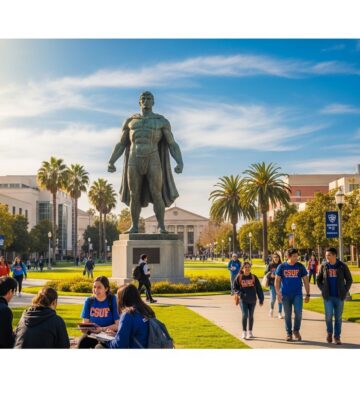
Students consistently describe the CSUN campus community as welcoming, friendly, and supportive. Faculty and staff demonstrate a fierce commitment to student success, creating an environment where all students, including those who identify as shy or introverted, feel valued and connected. This positive social atmosphere contributes significantly to student satisfaction and retention.
Activities and Engagement
While athletics are not a major focus at CSUN, the university boasts strong school spirit expressed through academic clubs, student organizations, and campus events. With numerous clubs and activities available, students have ample opportunities to develop leadership skills, pursue shared interests, and build meaningful friendships. The campus actively encourages student involvement as a pathway to deeper engagement with the university community.
Campus Facilities
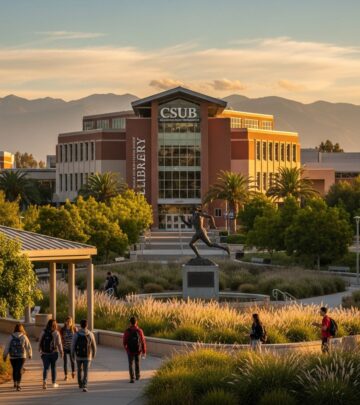
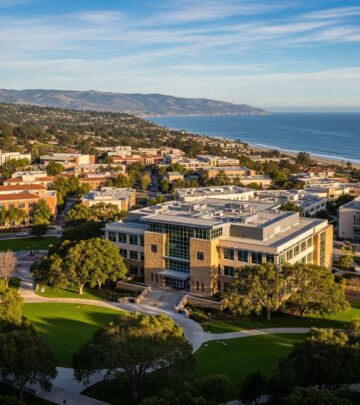
CSUN’s beautiful 353-acre campus features modern facilities and ample green spaces. The expansive Oviatt Library, completed in the early 1970s with subsequent expansions, provides an impressive study environment and research resources. Students appreciate the variety of dining options, recreational facilities, and outdoor spaces available across campus. However, parking remains a concern for commuting students, particularly during peak hours.
Outcomes and Career Preparation
Employment and Graduation Success
CSUN demonstrates strong employment outcomes for its graduates. Ninety-one percent of students are employed within one year of graduation, indicating that the university successfully prepares students for the workforce. Additionally, 74% of CSUN students report feeling confident they will find employment in their field after graduation, reflecting both the quality of education and the career support services available.
The university’s graduation rate of 56% reflects the diverse nature of CSUN’s student population, many of whom balance college with work and family responsibilities. Despite this rate being somewhat lower than some peer institutions, CSUN remains committed to supporting all students in achieving their degree completion goals through expanded tutoring, mentoring, and advising services.
History and Development
From Satellite Campus to Independent University
CSUN’s history reflects the evolving needs of the San Fernando Valley community. The university began in 1952 as a proposed satellite campus for Los Angeles State College. However, after advocacy efforts by San Fernando Valley representatives, the location was changed to Northridge. By 1958, San Fernando Valley State College officially opened, establishing a foundation for growth and academic development.
Throughout the 1960s and 1970s, the institution expanded rapidly, establishing itself as a comprehensive university. By 1977, enrollment had reached 28,023 students. The campus continued investing in academic infrastructure, including the construction of the Oviatt Library, which began in May 1971. The official renaming to California State University, Northridge in 1972 marked the institution’s transition to its current identity.
Resilience and Recovery
In 1994, the Northridge earthquake caused $400 million in damage to the campus, representing the heaviest damage ever sustained by an American college campus at that time. Despite this devastating setback, CSUN demonstrated remarkable resilience, rebuilding facilities and continuing to serve its students. This experience strengthened the university’s commitment to supporting its community and students during challenging times.
International Partnerships and Growth
CSUN established a foreign exchange student program in 1981, creating partnerships with universities in Japan, China, Ukraine, South Korea, Taiwan, Brazil, and the Netherlands. In 1974, in partnership with UC Santa Barbara, CSUN opened the Ventura Learning Center, which later became California State University, Channel Islands in 1998. These initiatives demonstrate CSUN’s commitment to expanding educational access and fostering international academic collaboration.
Academic Excellence and Research
Research Initiatives
CSUN actively participates in cutting-edge research through strategic partnerships with leading institutions. The university is a co-founder and partner institution of the Research Center for Translational Applications of Nanoscale Multiferroic Systems (TANMS), established at UCLA through an $18.5 million National Science Foundation grant in 2012. This collaborative research center brings together expertise from Cornell University, UC Berkeley, ETH Zurich, University of Texas at Dallas, and Northeastern University to advance nanoscience and materials research.
Additionally, CSUN maintains the California State University system’s only fully established astronomy department equipped with a planetarium, positioning the university as a leader in astronomical education and research. These research opportunities allow faculty and students to engage in meaningful scholarly work while contributing to broader scientific advancement.
Accreditation and Institutional Standing
CSUN holds accreditation from the WASC Senior College and University Commission (WSCUC), having first achieved accreditation in 1960. The university is classified as a Master’s Colleges and Universities institution with larger programs, reflecting its comprehensive academic offerings and research activities. This accreditation ensures that CSUN meets rigorous standards for academic quality, institutional integrity, and student support services.
Strategic Planning and Future Direction
In 2006, the California State University Board of Trustees unanimously approved Envision 2035, CSUN’s comprehensive planning initiative that frames the university’s physical and academic development. This strategic plan increased the campus’s master plan enrollment capacity from 25,000 to 35,000 full-time equivalent students, positioning CSUN to serve growing demand for affordable, quality higher education in the San Fernando Valley region.
Why Choose CSUN?
Key Advantages
CSUN offers numerous compelling reasons for prospective students to consider enrollment:
Affordability: Ranked among the top colleges nationally for value, CSUN provides quality education at a fraction of the cost of private institutions, with 88% of students receiving financial aid.
Diversity and Inclusion: With over half its student body identifying as Hispanic and 69% as first-generation college students, CSUN creates an inclusive environment where diverse perspectives are valued.
Comprehensive Academic Offerings: Nearly 200 academic programs across multiple disciplines ensure students can pursue their specific career and educational goals.
Strong Employment Outcomes: With 91% of graduates employed within one year and strong employer recognition, CSUN effectively prepares students for career success.
Robust Student Support: Comprehensive services including tutoring, mentoring, mental health support, and disability services ensure all students have resources needed for success.
Frequently Asked Questions
Q: What is the total student enrollment at CSUN?
A: As of Fall 2024, CSUN has a total enrollment of 36,848 students, making it the fourth-largest campus in the California State University system.
Q: How many academic programs does CSUN offer?
A: CSUN offers nearly 200 academic programs, including 152 undergraduate majors, 109 master’s degree programs, and several doctoral degrees across 70 different fields.
Q: What percentage of CSUN students receive financial aid?
A: Eighty-eight percent of CSUN students receive financial aid, reflecting the university’s commitment to affordability and accessibility.
Q: Is CSUN a Hispanic-serving institution?
A: Yes, CSUN is designated as a Hispanic-serving institution, with 57% of its undergraduate students identifying as Hispanic as of Fall 2023.
Q: What employment outcomes do CSUN graduates achieve?
A: Ninety-one percent of CSUN graduates are employed within one year of graduation, and 74% of current students feel confident about finding employment in their field.
Q: Does CSUN offer on-campus housing?
A: Yes, CSUN offers housing options including dormitories and upperclassmen apartments, though many students commute due to limited availability and costs.
Q: What is unique about CSUN’s academic programs?
A: CSUN is home to the National Center on Deafness, hosts the annual International Conference on Technology and Persons with Disabilities, and operates the only Central American Studies program focused on Central Americans in the United States.
References
- California State University, Northridge – Official About Page — California State University, Northridge. 2024. https://www.csun.edu/about
- California State University, Northridge — WASC Senior College and University Commission (WSCUC). 2024. https://www.wscuc.org/institutions/california-state-university-northridge/
- California State University Northridge Overview — CollegeData. 2024. https://www.collegedata.com/college-search/California-State-University-Northridge
- California State University – Northridge — Niche. 2024. https://www.niche.com/colleges/california-state-university-northridge/
- California State University, Northridge — California State University System. 2024. https://www.calstate.edu/attend/campuses/northridge
Similar Articles








Read full bio of medha deb