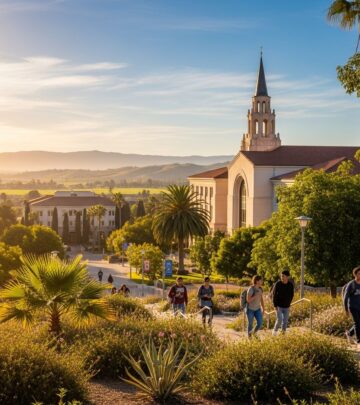
California State University Monterey Bay: Profile & Guide
Discover CSUMB: A coastal university offering hands-on learning and diverse academic programs.
California State University Monterey Bay: A Comprehensive College Profile
California State University, Monterey Bay (CSUMB) stands as a distinctive public institution located along California’s stunning central coast, offering students a transformative educational experience in one of the most beautiful regions of the state. Founded in 1994 as the 22nd campus in the California State University system, CSUMB has rapidly grown into a respected university serving approximately 7,500 students across its main campus and satellite locations. The university is uniquely positioned to provide an education that combines rigorous academics with practical, hands-on learning opportunities enriched by its coastal location.
Location and Campus Setting
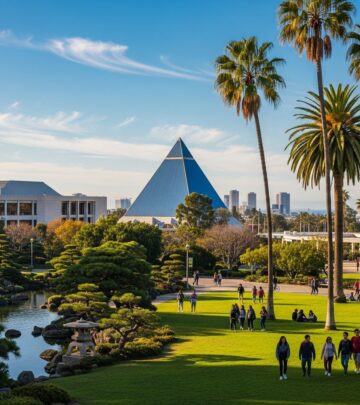
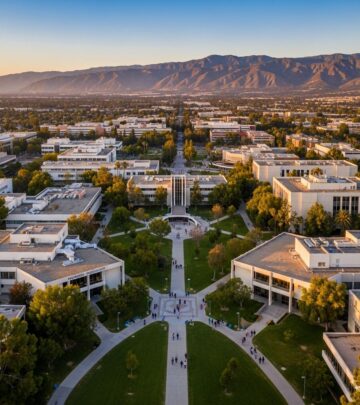
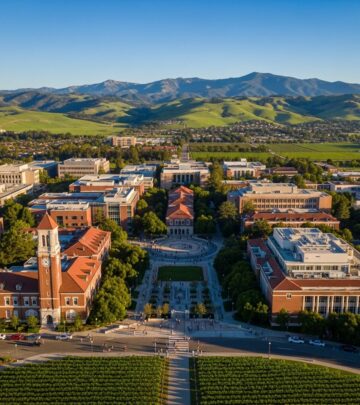
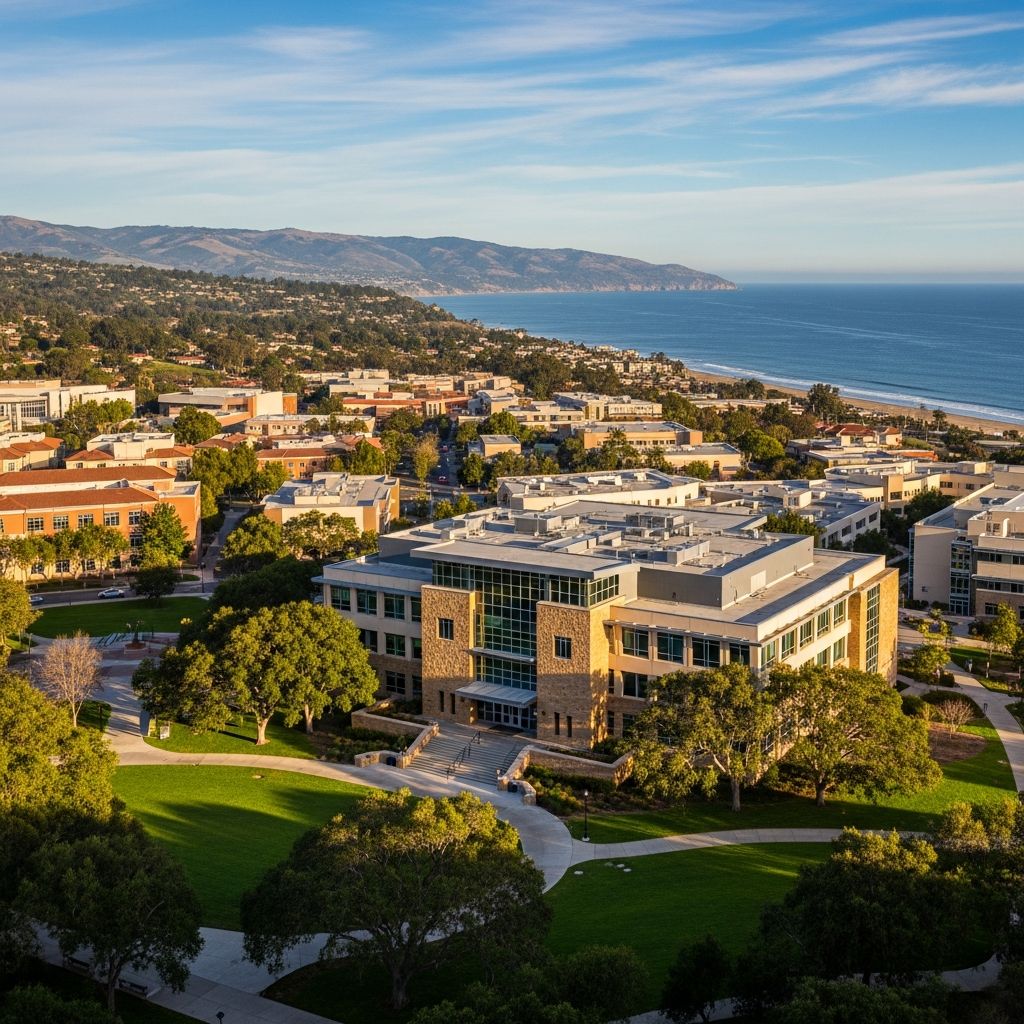
Situated on the grounds of the former Fort Ord military base, CSUMB’s main campus spans the cities of Seaside and Marina, positioned approximately one mile inland from Monterey Bay. This strategic location offers students unparalleled access to natural learning laboratories, including miles of pristine coastline, rolling hills, and lush forests. The university maintains additional locations in Monterey and Salinas, extending its reach throughout the region. Students benefit from a peaceful, relaxing environment that supports both academic focus and recreational exploration. The coastal setting provides immediate access to beaches, hiking trails, and natural ecosystems that complement classroom learning, while proximity to Silicon Valley—approximately one hour away—connects students to innovation hubs and professional opportunities.
The Monterey Bay region offers a unique blend of natural beauty and cultural history. From oceanic ecosystems to forest environments, the surrounding area serves as a living laboratory for scientific study and environmental research. This geographic advantage enables CSUMB to offer real-world learning experiences that traditional campuses cannot replicate.
Academic Programs and Offerings
CSUMB provides a comprehensive array of academic programs designed to meet diverse student interests and career aspirations. The university offers 80 or more majors, minors, and concentrations across various disciplines. Key academic programs include bachelor’s degrees in business administration, psychology, computer science, marine science, biology, kinesiology, and liberal studies, among many others. The university also awards master’s degrees and teaching credentials, serving both undergraduate and graduate student populations.
The most popular undergraduate majors reflect strong student interest in business and technology fields:
– Business Administration (13%)- Psychology (11%)- Computer Science (9%)- Kinesiology (8%)- Biology (8%)- Marine Science and Liberal Studies (each representing significant enrollment)
A distinctive feature of CSUMB’s academic approach is its emphasis on hands-on, practical learning. Rather than limiting instruction to traditional classroom settings, the university integrates fieldwork and experiential learning throughout its curricula. Science and environmental programs particularly emphasize this approach, with students engaging in research and fieldwork at nearby beaches, natural sites, and the bay itself. This commitment to experiential education ensures that students develop not only theoretical knowledge but also practical skills directly applicable to their chosen professions.
Student Body and Demographics
As of Fall 2023, CSUMB serves a diverse student population of approximately 6,800 students across all enrollment levels. The undergraduate body reflects significant diversity, with Hispanic students comprising 54% of the population, White students 27%, Asian students 6%, and other groups including African American, multiracial, and international students making up the remainder.
The student body demonstrates important characteristics that shape campus culture and community:
– 44% of students originate from Monterey, Santa Cruz, and San Benito counties- 53% come from other California regions- 2% hail from other U.S. states- 3% are international students- 32% are first-generation college students- 44% qualify as low-income students- Over half (56%) are classified as affluent students
CSUMB’s enrollment distribution includes a large proportion of transfer students, with 35% of undergraduates in their senior year, 27% in their junior year, 12% in their sophomore year, and 14% as freshmen. This composition reflects the university’s important role in providing accessible pathways to bachelor’s degrees for transfer students from community colleges and other institutions.
Campus Facilities and Resources
CSUMB has invested significantly in modern campus infrastructure to support student success. Campus facilities are well-maintained and equipped with contemporary technology. Science and technology students benefit from updated computer labs featuring both Mac and PC systems, along with specialized software tailored to specific majors like Teledramatic Arts and Technology.
The recently constructed library serves as a hub for academic support, offering private study rooms, extended hours during examination periods, coffee shops, and comprehensive printing services. Wireless internet connectivity is widespread throughout campus, though some areas experience weaker signals. These facilities enable students to access resources and support systems essential for academic achievement and personal development.
Class Size and Learning Environment
A defining characteristic of the CSUMB experience is small class sizes that foster meaningful relationships between students and faculty. Rather than sitting in large lecture halls with hundreds of peers, CSUMB students benefit from intimate classroom settings that enable personalized attention and direct interaction with professors. This educational model proves particularly effective for students who thrive with individual support and clear academic guidance.
Faculty members at CSUMB are widely recognized as approachable, motivated, and dedicated to student success. Professors provide mentorship that extends beyond classroom instruction, offering guidance on academic progress, career development, and personal growth. The supportive faculty culture creates an environment where students feel comfortable asking questions, seeking clarification, and developing critical thinking skills essential for professional advancement.
Campus Community and Student Life
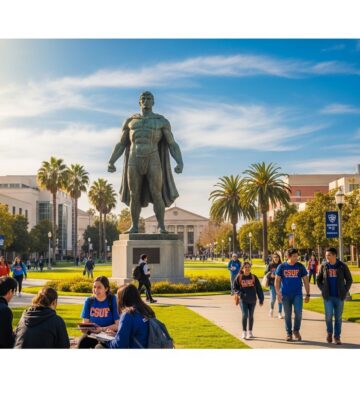
The CSUMB campus community is characterized as warm, welcoming, and inclusive, with a distinctive “hippie/free spirit” vibe that fosters acceptance and friendliness. The university’s emphasis on diversity creates a supportive atmosphere where students from varied backgrounds feel connected and comfortable. This inclusive culture proves especially valuable for first-generation and low-income students who may feel uncertain navigating higher education.
The university offers over 100 clubs and organizations providing students with opportunities for engagement, leadership development, and community involvement. Throughout the academic year, CSUMB hosts multicultural events, workshops, lectures, and celebrations that enrich campus life and promote cultural understanding. These activities create a vibrant campus community that extends learning beyond the classroom and builds lasting friendships among diverse peers.
Athletic programs at CSUMB serve as additional community anchors. The university competes in 14 intercollegiate varsity sports, including men’s baseball, basketball, cross country, golf, and soccer, and women’s basketball, cross country, golf, soccer, softball, track and field, volleyball, and water polo. Additionally, CSUMB maintains a coed sailing team competing in the Pacific Coast Collegiate Sailing Conference, taking advantage of the university’s water access for competitive athletic opportunities.
Admissions and Student Qualifications
CSUMB maintains an open-access admissions philosophy consistent with the California State University system’s mission to provide educational opportunity to qualified students. The university accepts a high percentage of applicants, reflecting its commitment to accessibility. Among enrolled freshmen, the average GPA is 3.33, with SAT math scores ranging from 430 to 600 for the middle 50% of students. These statistics demonstrate that CSUMB serves students across a range of academic backgrounds while maintaining standards of academic readiness.
First-year student retention stands at 79%, while 40.4% of students graduate within four years. These metrics reflect the university’s effectiveness in supporting student persistence and degree completion, particularly important given the high proportion of first-generation and transfer students in the student body.
Accreditation and Institutional Recognition
CSUMB is accredited by the WASC Senior College and University Commission (now WSCUC), having achieved initial accreditation in 2003. The university is officially designated as a Hispanic-Serving Institution, reflecting its significant enrollment of Hispanic students and commitment to supporting this population. This designation recognizes CSUMB’s role in expanding educational access and opportunity for underrepresented students.
Cost and Financial Accessibility
As a public California State University campus, CSUMB provides an affordable educational pathway compared to private institutions. The average cost of attendance reflects the institution’s commitment to accessibility, making quality higher education available to students from low-income backgrounds. With 44% of the student body qualifying as low-income and over half being first-generation college students, CSUMB successfully serves populations often excluded from higher education opportunity.
Specialized Programs and Innovations
CSUMB has developed innovative academic initiatives addressing workforce needs in emerging fields. In partnership with Hartnell College, the university developed CS-in-3, a three-year computer science program funded through grants and donations. This accelerated program provides an alternative pathway for students seeking efficient entry into technology careers. The success of such initiatives demonstrates CSUMB’s responsiveness to educational market demands and commitment to innovative program design.
Career Outcomes and Alumni Success
CSUMB alumni pursue rewarding careers in their chosen professions, making positive impacts in California communities and beyond. The university’s emphasis on practical, hands-on learning prepares graduates for professional success, with 40.4% of students graduating within four years and many continuing to advanced studies or entering the workforce. As a top performer for social mobility, CSUMB effectively serves as a pathway to professional advancement for first-generation and low-income students.
Frequently Asked Questions About CSUMB
Q: What is the enrollment size at California State University Monterey Bay?
A: CSUMB serves approximately 7,500 students, comprising about 6,800 undergraduates and smaller graduate and credential-seeking populations. This size provides enough diversity and resources to offer numerous programs while remaining small enough for meaningful faculty-student relationships.
Q: How diverse is the student body at CSUMB?
A: The student body is highly diverse, with 54% Hispanic students, 27% White students, 6% Asian students, and representation from other racial and ethnic backgrounds. Over half are first-generation college students, and 44% are low-income students, reflecting the university’s commitment to serving underrepresented populations.
Q: What academic programs does CSUMB offer?
A: CSUMB offers over 80 majors, minors, and concentrations, including popular programs in business administration, psychology, computer science, marine science, biology, and kinesiology. The university also awards master’s degrees and teaching credentials across various disciplines.
Q: How does location benefit CSUMB students?
A: The coastal location provides unique educational advantages, including direct access to marine and environmental learning laboratories, outdoor recreation opportunities, and proximity to Silicon Valley’s technology industry. Students engage in fieldwork and experiential learning in natural ecosystems rather than traditional classroom settings alone.
Q: What is student retention and graduation rate at CSUMB?
A: First-year retention stands at 79%, while 40.4% of students graduate within four years. These rates reflect the university’s effectiveness in supporting student success, particularly important given the high proportion of first-generation and transfer students.
Q: Is CSUMB an affordable option for students?
A: As a public California State University campus, CSUMB offers an affordable education compared to private institutions. With 44% low-income students and commitment to accessibility, the university provides quality higher education opportunity to students from diverse socioeconomic backgrounds.
Q: What is the faculty-student relationship like at CSUMB?
A: CSUMB is known for small class sizes and approachable, dedicated faculty committed to student success. Professors provide personalized mentorship and support, creating an environment where students develop meaningful relationships with instructors and receive individualized guidance.
References
- California State University, Monterey Bay — Wikipedia. 2024. https://en.wikipedia.org/wiki/California_State_University,_Monterey_Bay
- California State University – Monterey Bay — Niche. 2025. https://www.niche.com/colleges/california-state-university-monterey-bay/
- Qualifications of Enrolled Freshmen — CollegeData. 2025. https://www.collegedata.com/college-search/California-State-University-Monterey-Bay
- California State University, Monterey Bay Accreditation Status — WSCUC (Western Association of Schools and Colleges). 2024. https://www.wscuc.org/institutions/california-state-university-monterey-bay/
- Home | California State University Monterey Bay — CSUMB Official Website. 2025. https://csumb.edu
- Monterey Bay Campus Profile — California State University System. 2025. https://www.calstate.edu/attend/campuses/monterey-bay
Similar Articles








Read full bio of Sneha Tete