California Fraud Victim Rights Guide
Discover essential legal protections and steps for California residents facing identity theft, credit fraud, and consumer scams.
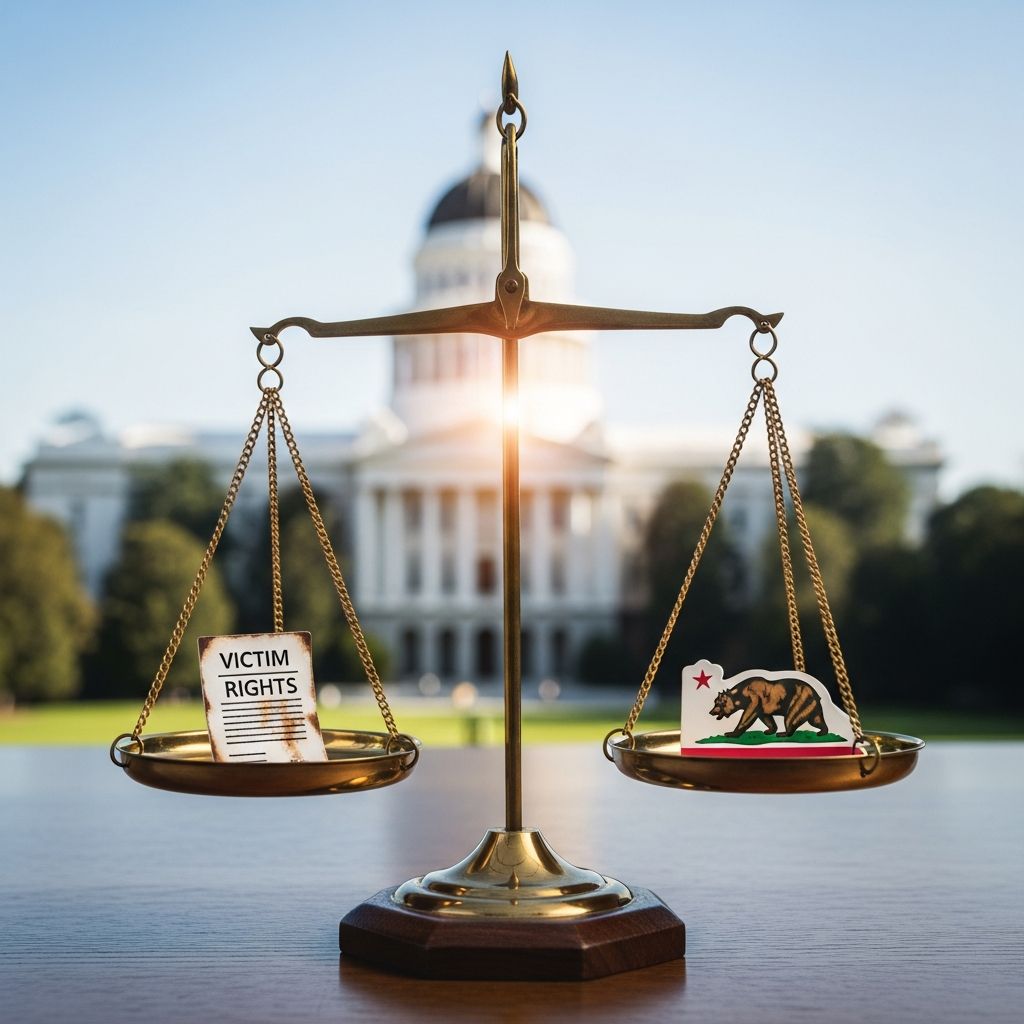
California residents facing fraud, identity theft, or unauthorized credit activities have robust legal protections designed to restore financial security and ensure due process. These rights empower individuals to freeze credit, dispute inaccuracies, and challenge improper legal actions, helping mitigate the damaging effects of scams and data breaches.
Understanding Fraud in the California Context
Fraud encompasses a wide range of deceptive practices, from identity theft and fake service of legal notices to unauthorized use of personal data in credit reports. In California, state laws prioritize consumer safeguards, mandating timely notifications and accessible remedies. Victims often discover issues through unexpected account charges, denied credit applications, or surprise court judgments resulting from ‘sewer service’—where fraudulent notices prevent awareness of lawsuits.
Key triggers include data breaches exposing unencrypted personal information, requiring businesses to alert affected residents promptly. This framework not only addresses immediate harms but also prevents long-term credit damage, emphasizing proactive measures like monitoring reports and securing accounts.
Core Rights for Credit and Identity Theft Victims
California law grants specific entitlements when dealing with credit bureaus and investigative agencies. Victims of identity theft can demand the removal of fraudulent information from reports by submitting a valid police report or Department of Motor Vehicles investigative findings.
- Access to Files: Investigative agencies must provide consumer files during business hours upon reasonable notice, aiding in verifying and correcting errors.
- Fraudulent Information Block: List suspected fraudulent items on a police report to trigger mandatory removal from credit files.
- Dispute Mechanisms: Consumers can challenge inaccuracies directly with agencies, triggering investigations within set timelines.
These provisions, rooted in the Investigative Consumer Reporting Agencies Act, ensure transparency and accountability, allowing victims to rebuild credit without lingering scam impacts.
Protecting Against Improper Legal Notices
A major fraud vector involves falsified service of process, leading to default judgments without the victim’s knowledge. Recent legislation like the Service of Process Accountability, Reform, and Equity (SPARE) Act modernizes these rules, introducing transparency to curb ‘sewer service.’
The SPARE Act, signed into law, eliminates time limits for vacating default judgments from unlawful service, aligning with Supreme Court precedents. It mandates verifiable delivery methods, protecting against wage garnishments or evictions from unnoticed lawsuits.
| Traditional Service Risks | SPARE Act Protections |
|---|---|
| Fraudulent or unverified notices | Accountability for process servers |
| Time-barred challenges | No deadline for due process claims |
| Silent default judgments | Clear procedures for relief |
This reform safeguards due process, ensuring Californians receive fair notice before legal consequences.
Steps to Take After Discovering Fraud
- Report Immediately: File a police report detailing fraudulent activities, crucial for credit bureau blocks.
- Contact Credit Bureaus: Place fraud alerts or credit freezes with Experian, Equifax, and TransUnion to halt new account openings.
- Dispute Errors: Submit written disputes with supporting evidence like police reports; agencies must investigate promptly.
- Monitor Accounts: Review statements regularly and set up transaction alerts.
- Seek Legal Relief: For improper judgments, motion to vacate under updated laws without time constraints.
Acting swiftly minimizes damage, with freezes preventing further misuse and disputes clearing records efficiently.
Data Breaches and Notification Requirements
California mandates businesses and agencies notify residents if unencrypted personal data is compromised. For breaches affecting over 500 residents, sample notifications go to the Attorney General, promoting accountability.
Victims gain rights to corrected information and opt-outs from data sales under privacy laws like the California Privacy Rights Act (CPRA), which limits sensitive data use and enables deletion requests.
Fraud Hearings in Public Benefits Programs
In programs like CalFresh, alleged Intentional Program Violations (IPV) trigger disqualification hearings. Counties must provide 30-day notices via personal service or first-class mail, with address verification if benefits end.
- Hearings offer representation, evidence review, and witness questioning rights.
- Continuances available up to 30 days, with no obligation to testify.
- Decisions issued within 90 days, appealable de novo at state level.
These processes ensure fair adjudication, protecting against erroneous penalties.
Consumer Privacy Enhancements Under CPRA
The CPRA bolsters rights against data misuse, allowing opt-outs from sales/sharing and limits on sensitive information handling. Businesses must disclose fraud prevention steps and avoid retaliation for exercising rights.
For automated decision-making tech in key areas like finance or housing, consumers receive notices, opt-out options, and explanations of impacts.
Common Fraud Types and Prevention Strategies
Identity theft tops concerns, followed by synthetic fraud blending real and fake data. Prevention includes strong passwords, two-factor authentication, and regular credit checks.
| Fraud Type | Warning Signs | Prevention Tip |
|---|---|---|
| Identity Theft | Unexpected denials | Credit freeze |
| Sewer Service | Surprise judgments | Monitor court records |
| Benefits Fraud | Benefit cuts | Request hearing docs |
Frequently Asked Questions (FAQs)
What should I do first if I suspect credit fraud?
Contact credit bureaus for a fraud alert, file a police report, and review your reports for discrepancies.
Can I challenge a default judgment anytime?
Yes, under the SPARE Act, no time limit applies for unlawful service claims.
How do I freeze my credit in California?
Request via phone, online, or mail from each major bureau; it’s free for fraud victims.
What rights do I have in a CalFresh fraud hearing?
Representation, evidence access, no-testify option, and appeals.
Does CPRA protect against data sales after a breach?
Yes, opt-out rights apply to sales/sharing of personal info.
Long-Term Recovery and Financial Rebuilding
Post-fraud, focus on rebuilding: obtain free annual credit reports, negotiate with creditors for goodwill adjustments, and consider identity theft affidavits. State resources like the Attorney General’s office provide guidance.
Education on phishing, secure browsing, and EBT card safeguards prevents recurrence. Victims may qualify for restitution or tax relief on fraudulent debts.
By leveraging these rights, Californians transform vulnerability into empowerment, ensuring fraudsters face consequences while restoring stability.
References
- “You’ve been served” New California Law Attacks Fraudulent Service of Notice in Court Cases — The Center for Consumer Law & Economic Justice at UC Berkeley School of Law. 2025-10-17. https://consumerlaw.berkeley.edu/news/%E2%80%9Cyou%E2%80%99ve-been-served%E2%80%9D-new-california-law-attacks-fraudulent-service-notice-court-cases-0
- The IPV fraud hearing | LSNC Guide to CalFresh Benefits — Legal Services of Northern California. N/A. https://calfresh.guide/the-ipv-fraud-hearing/
- California Summary of Rights – ASURINT — ASURINT. N/A. https://my.asurint.com/webdocs/ConsumerRights/California.pdf
- Data Security Breach Reporting – California Department of Justice — California Attorney General. N/A. https://oag.ca.gov/privacy/databreach/reporting
- Text of the CPRA – Californians for Consumer Privacy — Californians for Consumer Privacy. N/A. https://caprivacy.org/cpra-text/
- Frequently Asked Questions (FAQs) – California Privacy Protection Agency — California Privacy Protection Agency. N/A. https://cppa.ca.gov/faq.html
Similar Articles








Read full bio of medha deb