Cage-Free vs. Free-Range vs. Pasture-Raised Eggs
Unpack egg labels like cage-free, free-range, and pasture-raised to make informed choices that balance cost, nutrition, and animal welfare.

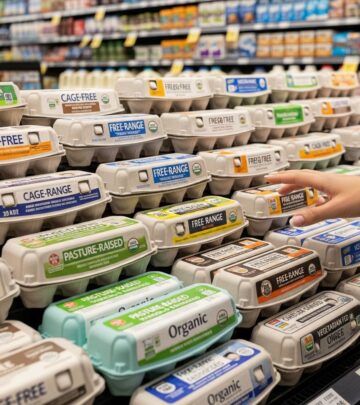
Egg labels like cage-free, free-range, and pasture-raised promise better quality, but they often confuse shoppers with vague terms and varying prices. Understanding these distinctions helps you choose eggs that align with your values for animal welfare, nutrition, and budget without falling for marketing hype.
What Do Egg Labels Really Mean?
Egg carton labels are regulated loosely, leading to misconceptions. The USDA provides minimal standards, while third-party certifications offer clearer benchmarks. Here’s a breakdown of common terms:
- Caged (Conventional): Hens confined to tiny battery cages, about 67 square inches per bird—less space than a standard sheet of paper. No outdoor access, fed corn/soy diets.
- Cage-Free: Hens not in cages but housed indoors in barns with 1-1.25 square feet per bird. They can move horizontally and vertically, access nests and perches, but no guaranteed outdoor time.
- Free-Range: Similar to cage-free but with some outdoor access. USDA requires only a “door” to outdoors, often minimal (less than 2 sq ft/bird), possibly just a concrete porch without vegetation or specified hours.
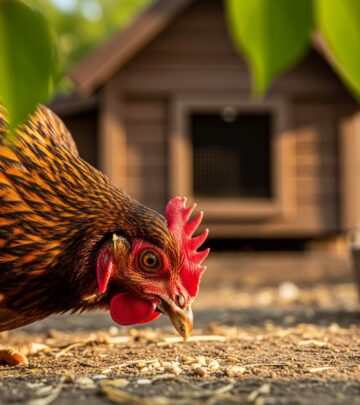
- Pasture-Raised: Hens get at least 108 square feet outdoors per bird on rotated pastures, foraging grass, bugs, and supplements. They exhibit natural behaviors like dust bathing and grazing.
Certifications matter: Look for American Humane Certified, Certified Humane, or USDA Organic for verified standards. Without them, labels can be misleading.
Nutritional Differences: Do Labels Affect Egg Quality?
Pasture-raised eggs often outperform others nutritionally due to hens’ diverse diets. A 2010 study showed pasture-raised eggs have double the vitamin E, over twice the omega-3 fats, higher vitamin D, and more beta-carotene than caged eggs. A 2003 Pennsylvania State University study confirmed pasture-raised eggs contain twice the omega-3s, three times more vitamin D, four times vitamin E, and seven times beta-carotene.
Cage-free and free-range eggs show minor improvements over conventional, like slightly higher magnesium, but lack the foraging benefits of pasture-raised. Omega-3 enriched eggs? Often just conventional with flax additives—less effective than natural pasture diets.
| Nutrient | Caged | Cage-Free/Free-Range | Pasture-Raised |
|---|---|---|---|
| Omega-3 Fats | Baseline | Slight increase | 2x+ higher |
| Vitamin E | Baseline | Similar | 2-4x higher |
| Vitamin D | Baseline | Minor boost | 3x higher |
| Beta-Carotene | Baseline | Similar | 7x higher |
Organic adds pesticide-free feed benefits, but pair it with pasture-raised for optimal nutrition.
Animal Welfare: How Hens Live Under Each Label
Caged hens endure stress in cramped conditions, unable to perch, nest, or forage, leading to health issues. Cage-free improves space but overcrowding (up to thousands in barns) spreads disease; no outdoors means unnatural lives.
Free-range offers a step up with outdoor access, but poor enforcement means many hens rarely venture out. Certifications like Food Alliance require 8+ hours outdoors on vegetation (1.23 sq ft/bird).
Pasture-raised excels: Hens roam vast areas, eat natural foods, and show happier behaviors. Farms like Handsome Brook Farms provide 400 hens per acre, rotated pastures, organic feed—no antibiotics or pesticides. Certified Humane ensures audited standards.
Cost Comparison: Prices and Value for Money
Prices vary by region and certification, but expect:
- Conventional: $2-3/dozen
- Cage-Free: $3-5/dozen
- Free-Range: $4-6/dozen
- Pasture-Raised/Organic: $6-9/dozen
Higher costs reflect more feed, land, and labor. Pasture-raised hens eat more to stay active outdoors, increasing the carbon footprint slightly, but benefits outweigh for welfare and nutrition. Shop sales, local farms, or co-ops to save 20-30%.
Environmental Impact: Which Eggs Are Sustainable?
Conventional wins on low footprint due to efficiency, but pasture-raised promotes soil health via manure spreading and rotation, reducing equipment needs. Free-range/pasture require more resources (feed for activity), but organic avoids chemicals. Choose local to cut transport emissions.
Shopping Tips: How to Choose and Save Money
To balance quality and budget:
- Check certifications: Prioritize Certified Humane, American Humane, or USDA Organic over bare labels.
- Buy local/seasonal: Farmers’ markets offer pasture-raised at $4-6/dozen vs. $8 store prices.
- Stock up on sales: Cage-free deals make ethical upgrades affordable.
- Compare nutrition: Skip omega-enriched; opt for pasture if health-focused.
- Buy in bulk: 18-packs or subscriptions save 10-15%.
- Store smart: Refrigerate to extend shelf life 4-5 weeks.
Start with cage-free for easy savings on welfare; upgrade to pasture-raised weekly for variety.
Frequently Asked Questions (FAQs)
What’s the difference between cage-free and free-range eggs?
Cage-free means no cages but indoor-only; free-range adds minimal outdoor access, though quality varies without certification.
Are pasture-raised eggs worth the extra cost?
Yes for superior nutrition (2x omega-3s, more vitamins) and welfare; buy on sale to fit budgets.
Do organic eggs mean pasture-raised?
No—organic ensures pesticide-free feed, but hens may be caged. Combine with pasture-raised for best results.
Which eggs are best for the environment?
Pasture-raised supports soil health long-term, despite higher initial footprint; local organic minimizes impact.
How can I tell if labels are legitimate?
Look for third-party seals like Certified Humane; avoid unverified claims.
Final Thoughts on Smart Egg Buying
Navigating egg labels empowers you to spend wisely. Prioritize certifications, balance nutrition with cost, and support humane farms. Small changes like weekly pasture-raised buys yield big health and ethical wins without breaking the bank.
References
- Pasture-raised vs cage-free vs free-range: What’s the difference? — DrinkSound. Accessed 2026. https://drinksound.com/blogs/sip-on/pasture-raised-vs-cage-free-vs-free-range-whats-the-difference
- Eggs: Cage-free vs. pasture vs. free-range — Medical News Today. 2019-05-08. https://www.medicalnewstoday.com/articles/327383
- Article explains difference between pasture-raised and free-range eggs — Certified Humane. 2016-07-25. https://certifiedhumane.org/article-explains-difference-pasture-raised-free-range-eggs/
Similar Articles








Read full bio of medha deb