5 Tips for Buying Used Furniture Without Regrets
Expert advice for purchasing quality used furniture that's sturdy and pest-free.

Buying used furniture is an excellent way to furnish your home while saving money and reducing waste. However, purchasing secondhand pieces requires careful consideration and inspection to ensure you’re getting quality items that will last. Whether you’re a college student furnishing your first apartment, downsizing your home, or simply looking to stretch your budget, knowing how to evaluate used furniture is essential. This guide provides expert tips for buying used furniture that is sturdy, pest-free, and built to stand the test of time.
Why Buy Used Furniture?
The secondhand furniture market offers numerous advantages beyond just affordability. Used furniture pieces often feature superior craftsmanship and materials compared to modern mass-produced alternatives. Many vintage and antique pieces are built to last decades, whereas contemporary furniture from big-box retailers may deteriorate within a few years. Additionally, purchasing used furniture is an environmentally responsible choice that keeps items out of landfills and reduces the demand for new manufacturing.
The financial benefits are substantial. Quality used furniture can cost 50-70% less than new pieces, allowing you to furnish an entire room or home on a fraction of the budget. For students and young professionals navigating temporary living situations, used furniture provides a cost-effective solution without the commitment of expensive new purchases.
Where to Find Quality Used Furniture
Finding reliable sources for used furniture is the first step in making smart purchases. Several platforms and locations offer excellent selections:
- Facebook Marketplace: One of the best places to find affordable furniture, especially in college towns where students frequently sell items when moving. You can discover gently used homegoods, vintage pieces, and one-of-a-kind antique items at competitive prices. The downside is organizing transportation for large pieces, but the savings often make it worthwhile.
- Habitat for Humanity ReStore: This nonprofit organization offers a large selection of home furnishings at massively discounted prices. Prices at ReStore are often cheaper than other thrift options, and your purchase supports Habitat for Humanity’s mission of building housing for deserving families.
- Goodwill: A solid option for furniture hunting, though selection varies by location. Some Goodwill locations have better furniture selections than others. Patience and regular visits increase your chances of finding quality pieces.
- Estate Sales: These auctions or sales, typically held at a deceased person’s home, are perfect venues for finding big-ticket items like furniture, art, and vintage jewelry in excellent condition. Estate sales often feature higher-quality pieces than garage sales.
- Garage and Yard Sales: Classic sources for affordable furniture finds. One woman found an 18th-century card table for just $25 at a garage sale and later sold it at auction for half a million dollars—demonstrating the potential value of thorough inspection and research.
- Online Marketplaces: Craigslist, Nextdoor, and Instagram also host used furniture listings from private sellers, offering additional options for finding pieces in your area.
Tip 1: Inspect the Furniture Thoroughly
Before committing to any used furniture purchase, conduct a comprehensive physical inspection. This is perhaps the most critical step in avoiding buyer’s remorse.
Check for Structural Integrity: Test all joints, hinges, and connections. Sit on chairs and couches to ensure they support weight properly. Open and close drawers and doors multiple times to confirm they function smoothly. Examine the underside of furniture for signs of damage, woodworm, or structural weakness. For upholstered pieces, check seams for separation or tearing.
Look for Visible Damage: Assess the overall condition of the piece. Minor scratches and wear are normal in used furniture, but significant damage affects both aesthetics and functionality. Evaluate whether damage can be repaired through refinishing, reupholstering, or simple repairs, or if it indicates deeper structural problems.
Test All Features: If the furniture includes moving parts, mechanisms, or electrical components, test each one. Ensure drawers slide smoothly, locking mechanisms work, and any adjustable features function properly. This prevents unpleasant surprises after purchase.
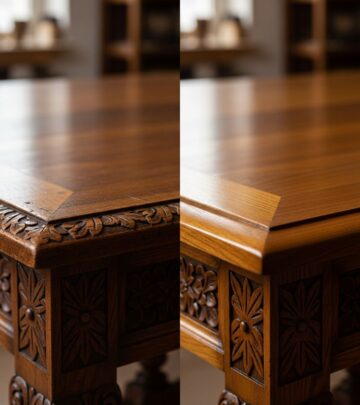
Evaluate the Wood Quality: Run your hand along wooden surfaces to assess the quality of the finish and the wood itself. Solid wood furniture is typically more durable than veneer or particleboard. Check the weight of the piece—heavier furniture often indicates quality construction and solid materials.
Tip 2: Check for Pests and Infestations
One of the most important considerations when buying used furniture is avoiding items that harbor pests or parasites. Bringing infested furniture into your home can lead to serious problems.
Inspect for Bed Bugs: Bed bugs are a common concern with secondhand upholstered furniture. Examine seams, piping, tufts, and any crevices where these pests might hide. Look for dark spots, which could be bed bug feces, or small reddish-brown insects. Use a flashlight and inspect thoroughly, even in areas that aren’t immediately visible.
Look for Other Pest Evidence: Check for signs of cockroaches, fleas, mites, or other insects. Look for droppings, shed skins, or living insects in hidden areas. Sniff the furniture—musty odors or chemical smells might indicate pest problems or attempts to mask infestations.
Examine Wood Furniture for Woodworms and Termites: Look for small holes in wooden pieces, which indicate woodworm or termite damage. These pests can compromise structural integrity and spread to other wooden items in your home. Press the wood gently with a fingernail—if it feels soft or crumbles, the piece may be infested.
Ask the Seller About History: Inquire about the furniture’s history and storage conditions. Ask if the piece has ever been exposed to pests, water damage, or other issues. A reputable seller should be honest about the item’s condition and history.
Tip 3: Research Value and Market Prices
Understanding the fair market value of furniture helps you avoid overpaying and ensures you’re getting a good deal.
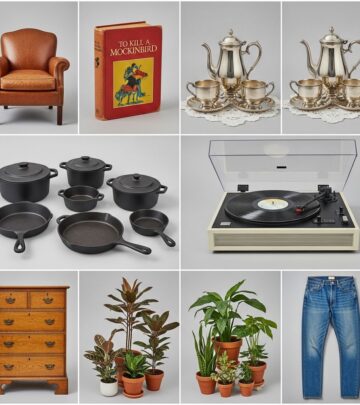
Know Your Furniture Types: Different furniture pieces hold value differently. Cast iron cookware, even if it looks rough, can almost always be reconditioned to its former glory. Vintage silverware and china sets can be worth serious money if they’re from recognized manufacturers or designers. Antique wooden furniture, especially pieces made from solid wood and featuring quality craftsmanship, tends to appreciate in value.
Check Online Marketplaces: Review completed listings on eBay, Facebook Marketplace, and other platforms to see what similar items are selling for. This gives you a realistic idea of fair pricing and helps you identify exceptional bargains or overpriced items.
Consider Brand and Design: Brand-name furniture from reputable manufacturers typically holds value better than generic pieces. Designer or vintage branded items often command premium prices in the secondhand market. However, just because something is old doesn’t mean it’s valuable—research before purchasing.
Factor in Condition: Adjust your expectations based on the piece’s condition. Gently used furniture in excellent condition commands higher prices than items requiring refinishing or repair. Calculate whether the cost of restoration, if needed, still results in overall savings compared to purchasing new.
Tip 4: Assess Your Ability to Restore or Refurbish
Many used furniture pieces can be improved through DIY rehabilitation. However, realistically assess whether you have the skills, tools, and time for restoration work.
Simple Cleaning and Conditioning: Basic cleaning can dramatically improve a piece’s appearance. Dust, dirt, and grime often make furniture look worse than it actually is. For wood furniture, appropriate cleaners and conditioning products can restore luster. Upholstered pieces may benefit from professional cleaning or spot treatment.
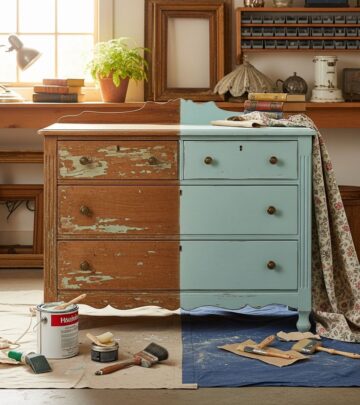
Refinishing and Reupholstering: Wooden furniture can be refinished to restore its original beauty, though this requires time, skill, and supplies. Upholstered pieces can be reupholstered, which is more labor-intensive but can give old furniture new life. Before purchasing, research the estimated cost of professional restoration compared to the furniture’s final value.
Know Your Limitations: Some restoration projects are beyond typical DIY abilities. Antique furniture restoration, for example, requires specialized knowledge to preserve value. Electronics repairs and complex mechanical restoration often require professional expertise. Be honest about what you can realistically accomplish before purchasing items that need significant work.
Tip 5: Test Before You Commit to Transport
Before finalizing your purchase, ensure the furniture actually works for your needs and lifestyle.
Measure Dimensions: Bring a measuring tape and confirm that the piece will fit in your intended space. Check doorways, hallways, and tight corners where the furniture must pass during delivery. A beautiful sofa means nothing if you can’t get it into your home.
Test Comfort and Function: If purchasing seating, sit on it for several minutes. Lie on beds to ensure comfort. Open and close cabinet doors and drawers multiple times. Test any adjustable features. For dining furniture, imagine hosting a meal and whether the piece will actually serve your lifestyle.
Evaluate Smell: Unpleasant odors in used furniture can be difficult to remove. Smoke smells, musty odors from storage, and pet smells may linger even after cleaning. If you’re sensitive to odors or concerned about allergens, test the piece thoroughly in this regard.
Arrange Transportation: Before purchasing large furniture, confirm you have reliable transportation or can arrange delivery at a reasonable cost. Many used furniture sellers don’t provide delivery, and professional moving services can be expensive. Factor transportation costs into your overall purchase decision.
Common Mistakes to Avoid
Learning from others’ mistakes can help you make better purchasing decisions. Avoid these common pitfalls:
- Ignoring Red Flags: If something doesn’t look or feel right about a piece, trust your instincts. Purchasing items with questionable condition or history often leads to regret.
- Neglecting Pest Inspection: Spending an extra 10 minutes thoroughly inspecting for pests is worth the effort to avoid bringing infestations into your home.
- Overestimating DIY Skills: Be realistic about your ability to refinish, repair, or restore furniture. Factor in the time, cost, and skill level required.
- Impulse Purchases: Take time to research value, measure your space, and consider whether you actually need the piece. Impulse buys often result in regret.
- Overlooking Delivery Challenges: Consider how you’ll transport large furniture before purchasing. Last-minute delivery arrangements can be expensive and stressful.
Items Worth Buying Used vs. Items to Avoid
| Worth Buying Used | Worth Avoiding Used |
|---|---|
| Solid wood furniture | Non-stick cookware with visible wear |
| Cast iron cookware | Old televisions and obsolete electronics |
| Vintage silverware and china | Mattresses (cleanliness and allergen concerns) |
| Upholstered furniture in good condition | Items with pest evidence |
| Antique or designer pieces | Heavily damaged wood with deep cracks |
| Wooden tables and desks | Furniture with broken structural support |
Frequently Asked Questions
Q: How can I tell if used furniture has bed bugs?
A: Inspect seams, piping, tufts, and crevices with a flashlight. Look for dark spots (bed bug feces), small reddish-brown insects, or shed skins. Check hidden areas thoroughly. If you suspect infestation, avoid purchasing the item.
Q: Is it safe to buy used mattresses?
A: Used mattresses present significant risks regarding cleanliness, allergens, and pest infestation. Most experts recommend avoiding used mattresses and investing in a new one, which is typically an inexpensive item compared to other furniture.
Q: How much should I pay for used furniture?
A: Research comparable items on online marketplaces like eBay and Facebook Marketplace. Generally, used furniture sells for 40-70% of retail prices, depending on condition, age, and demand. Factor in any restoration costs when evaluating value.
Q: Can I return used furniture if I’m not satisfied?
A: Return policies vary depending on where you purchase. Thrift stores like Goodwill and Habitat for Humanity ReStore typically have return periods. Private sellers may not accept returns, so inspect items thoroughly before purchase and confirm return policies before buying.
Q: What’s the best way to remove smells from used furniture?
A: Airing out the furniture outdoors for several days helps. Baking soda, activated charcoal, or professional odor removal services can help eliminate stubborn smells. For upholstered pieces, professional cleaning may be necessary. Some smells, like smoke, can be persistent and difficult to fully remove.
Q: How do I transport large used furniture?
A: Confirm measurements and doorway clearances before purchasing. Arrange transportation with friends, rent a truck, hire professional movers, or check if the seller offers delivery. Factor transportation costs into your overall purchase price when evaluating value.
Conclusion
Buying used furniture is a smart way to save money while furnishing your home with quality pieces. By following these expert tips—thoroughly inspecting furniture, checking for pests, researching value, assessing restoration needs, and testing before committing to purchase—you can avoid regret and find pieces that will serve you well for years to come. Whether you’re shopping at Facebook Marketplace, estate sales, or local thrift stores, careful evaluation and due diligence ensure you make informed decisions that result in beautiful, durable furniture for your space.
References
- 5 Tips for Buying Used Furniture So You Won’t Have Any Regrets — The Penny Hoarder. 2024. https://www.thepennyhoarder.com/save-money/used-furniture/
- A guide to buying affordable furniture on a student’s budget — Indiana Daily Student. 2024-02. https://www.idsnews.com/article/2024/02/housing-living-guide-affordable-furniture
- Top 15 Garage Sale Finds That Could Actually Make You Money — The Penny Hoarder. https://www.thepennyhoarder.com/make-money/quick-money/garage-sale-finds/
- Trash to Treasure: Our Best DIY Furniture Rehab Tips and Ideas — The Penny Hoarder. https://www.thepennyhoarder.com/save-money/furniture-rehab/
- 7 Tips for Buying and Selling Used Furniture — The Penny Hoarder. https://www.thepennyhoarder.com/make-money/side-gigs/buying-and-selling-used-furniture/
Similar Articles








Read full bio of medha deb