Buying Out Your Car Lease: Complete Guide
Master the lease buyout process and decide if purchasing your leased vehicle is right for you.
Understanding the Basics of Lease Buyouts
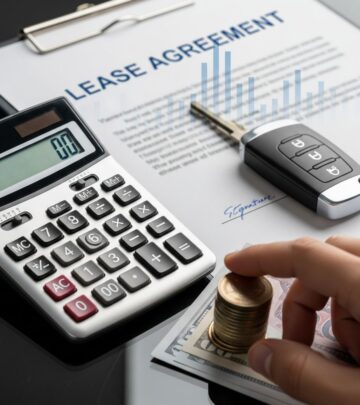
When your car lease comes to an end, you typically face three options: return the vehicle to the dealership, trade it in for another car, or purchase it outright. A lease buyout refers to the third option—the ability to own the car you’ve been leasing by paying a predetermined price established at the beginning of your lease agreement. This residual value, sometimes called the purchase option price, was calculated when you originally signed your lease contract.
The appeal of a lease buyout lies in its simplicity and familiarity. If you’ve grown attached to your vehicle and understand its maintenance history, a buyout can be an attractive alternative to shopping for a different car. Additionally, by purchasing your leased vehicle, you can avoid fees that dealerships typically charge for vehicle preparation and return processing.
How Residual Value Determines Your Purchase Price
At the heart of every lease buyout is the residual value—a critical figure that was predetermined in your original lease agreement. This amount represents what the leasing company estimated the vehicle would be worth at the end of the lease term. The residual value is essentially the dealership’s prediction of how much the car would depreciate over the lease period.
To locate this crucial number, review your lease contract carefully. The buyout price should be clearly stated in the documentation you received when you signed the lease. If you cannot find this information or have misplaced your paperwork, contact your leasing company directly. Representatives can provide you with an exact breakdown of all costs associated with purchasing the vehicle, including any processing fees, documentation charges, or purchase option fees that may apply beyond the base residual value.
Calculating Your Total Lease Buyout Cost
Understanding what you’ll actually pay requires more than simply knowing the residual value. Several components contribute to your final buyout expense:
- Residual Value: The predetermined purchase price from your lease contract
- Remaining Lease Payments: If you’re buying before the lease expires, you’ll pay all outstanding monthly payments
- Sales Tax: Your state’s applicable sales tax on the purchase amount
- Dealership Fees: Processing, documentation, or purchase option fees charged by the dealership or leasing company
- Registration and Title Transfer Fees: Costs associated with transferring ownership to your name
For example, if your vehicle has a residual value of $16,500 and you still have $2,100 in monthly lease payments remaining, your base purchase amount would be $18,600 before taxes and fees. Add your state’s sales tax and any dealership fees to arrive at your total out-of-pocket cost.
Timing Your Lease Buyout: Early Versus End-of-Lease Options
The timing of your lease buyout decision can significantly impact your overall costs and experience. End-of-lease buyouts occur when you purchase the vehicle after your lease contract has completely expired. This is the most straightforward approach and aligns with the standard lease conclusion process.
Alternatively, some leasing companies permit early lease buyouts, allowing you to purchase the vehicle before the lease officially ends. While this might seem advantageous if you’re eager to own the car, early buyouts often come with additional fees and may not provide substantial savings. Each leasing company handles early buyouts differently, so it’s essential to contact your lessor to understand whether this option is available and what additional costs might apply.
Most leasing companies proactively reach out to lessees several months before the lease expires to discuss end-of-lease options. If the leasing company approaches you first, you may have greater negotiating leverage since they know you’re at least considering other alternatives.
Who Controls Your Lease: Captive Versus Noncaptive Lenders
An often-overlooked factor in lease buyouts involves identifying who financed your original lease agreement. Most car leases are written by automakers’ finance departments, commonly referred to as captive lenders. These in-house financing arms are affiliated directly with vehicle manufacturers like General Motors, Ford, or Toyota.
If a captive lender wrote your contract, the residual value and purchase price are typically non-negotiable fixed amounts. Captive lenders maintain rigid pricing structures and rarely entertain discussions about adjusting the buyout price. Your only realistic negotiation option would involve asking them to waive or reduce certain fees, though even this proves difficult with many captive lenders.
Conversely, if a third-party bank or independent credit union financed your lease, you may encounter greater flexibility. These noncaptive lenders sometimes demonstrate willingness to negotiate various terms, though their openness to price adjustments depends on their individual policies. It’s worth inquiring about negotiation possibilities if your lease originated from such a source.
Negotiation Strategies for Lease Buyouts
While many elements of a lease buyout are fixed by contract, certain aspects may be open to negotiation. The key lies in knowing what to request and how to justify your position.
Research the vehicle’s current market value before approaching your leasing company. Use resources like Kelley Blue Book or NADA Guides to determine what similar vehicles with comparable mileage and condition are selling for in your local market. If the residual value significantly exceeds the vehicle’s fair market value, you have evidence supporting a request for price adjustment.
Request a waiver or reduction of optional fees. Purchase option fees, documentation charges, and processing fees are sometimes negotiable, particularly with noncaptive lenders. Politely ask your leasing company to waive these charges or reduce them. Dealerships often charge fees for vehicle preparation when you return a leased car, so explaining that you’re avoiding those costs by purchasing may strengthen your position.
Timing your request strategically can influence outcomes. If you contact the leasing company before they reach out to you, you may establish better negotiating ground. Once they’ve initiated contact, they already anticipate your interest, potentially reducing your leverage.
Financing Your Lease Buyout
Unless you have sufficient cash reserves to pay the entire buyout amount upfront, you’ll need financing to complete the purchase. Several options are available for funding your lease buyout:
Bank and Credit Union Auto Loans
Third-party financial institutions like banks and credit unions often offer competitive interest rates and flexible loan terms for lease buyouts. These lenders typically provide loan periods ranging from 24 to 72 months, allowing you to select a repayment timeline that fits your budget. Before committing to dealership financing, obtain quotes from at least two or three external lenders. Armed with competitive offers, you can present them to your dealership, which may then match or beat the terms to retain your business.
Leasing Company Financing
Your original leasing company may offer financing specifically for lease buyouts. This option can be convenient since you’re already working with the organization handling your vehicle’s paperwork and ownership transfer. However, their interest rates and terms may not be the most competitive. Always compare their offer against external financing options before deciding.
Dealership Financing
The dealership where you’re completing the buyout may provide financing arrangements. While convenient, dealership financing frequently carries higher interest rates than external lenders. Use dealership financing primarily as a backup option or as leverage to negotiate better terms from your preferred lender.
Key Factors When Evaluating Buyout Financing
When comparing financing options for your lease buyout, evaluate proposals based on several criteria:
| Evaluation Criteria | What to Consider |
|---|---|
| Interest Rate | Lower rates reduce your total interest paid over the loan term; even small differences significantly impact your overall cost |
| Loan Term | Shorter terms mean less interest paid but higher monthly payments; longer terms reduce monthly obligations but increase total interest costs |
| Monthly Payment | Ensure the payment aligns with your monthly budget and financial situation |
| Prepayment Penalties | Verify whether you can pay off the loan early without incurring additional fees |
| Special Programs | Some lenders offer lease buyout-specific programs with benefits or discounted rates |
The Step-by-Step Process for Completing Your Lease Buyout
Step One: Notify Your Leasing Company
Formally inform your leasing company or dealership that you intend to purchase your leased vehicle. This notification can be communicated via phone, email, or in person. Express your interest clearly and ask for detailed information about the complete buyout process specific to your situation.
Step Two: Verify All Costs
Request a comprehensive breakdown of all charges associated with your buyout from your leasing company. This detailed cost estimate should include the residual value, any remaining monthly payments, applicable fees, and instructions regarding sales tax. Ask whether certain fees can be waived or negotiated before proceeding.
Step Three: Secure Financing
If paying cash isn’t feasible, contact multiple lenders to obtain financing quotes. Compare interest rates, monthly payments, and loan terms across at least two to three options. Once you’ve identified the best financing offer, communicate this to your dealership to provide them an opportunity to match or exceed the terms.
Step Four: Complete Documentation
Work with your leasing company to finalize all paperwork associated with the purchase. This includes the title transfer and vehicle registration in your name. Your leasing company will guide you through required documents and deadlines. Carefully review all paperwork before signing to ensure accuracy and understanding of all terms.
Step Five: Complete the Transaction
Submit all necessary documentation and payment (or loan approval) to finalize the purchase. The entire lease buyout process typically requires several weeks from initial notification to completion. Plan accordingly if your lease-end date is approaching to avoid last-minute complications.
Assessing Whether a Lease Buyout Makes Financial Sense
Before committing to purchasing your leased vehicle, objectively evaluate whether this decision aligns with your financial situation:
- Compare the buyout price to the vehicle’s market value. If the residual value significantly exceeds what similar vehicles cost on the open market, a buyout may not provide good value.
- Consider the vehicle’s condition and mileage. Excessive wear and tear or high mileage may indicate upcoming repair costs that could offset any savings from avoiding return fees.
- Evaluate your financial flexibility. A lease buyout commits you to loan payments for a set period. Ensure you can comfortably accommodate these obligations.
- Calculate total ownership costs. Factor in anticipated maintenance, repairs, insurance, and registration costs beyond the purchase price to determine true ownership expenses.
- Assess your likelihood of keeping the vehicle long-term. If you typically prefer driving new cars every few years, a buyout may lock you into an older vehicle longer than desired.
Benefits of Purchasing Your Leased Vehicle
A lease buyout offers several distinct advantages over returning the vehicle or seeking another car. You avoid dealership fees associated with vehicle preparation and return processing. You gain the freedom to modify the vehicle as you wish, drive without mileage restrictions, and maintain the car in any manner you prefer. Additionally, you already understand the vehicle’s maintenance history and reliability, eliminating uncertainty that accompanies purchasing an unfamiliar used car.
Potential Drawbacks and Considerations
Lease buyouts also present certain disadvantages worth considering. If the residual value substantially exceeds fair market value, you’re essentially overpaying for the vehicle. Once the lease ends and you own the car, warranty coverage typically diminishes, exposing you to repair costs. Additionally, you lose the predictability and simplicity of lease payments and become fully responsible for all maintenance and repairs.
Common Questions About Lease Buyouts
Can I negotiate the residual value in my lease buyout?
In most cases, no. If a captive lender (automaker’s finance division) wrote your lease, the residual value is fixed and non-negotiable. However, if a third-party noncaptive lender financed your lease, limited negotiation may be possible. You can almost always request waivers or reductions of optional fees.
What happens if I want to buy out my lease early?
Some leasing companies permit early buyouts, though these typically involve additional fees and may not provide significant savings. Contact your leasing company to determine whether early buyouts are available and what associated costs apply.
How long does the lease buyout process take?
The complete lease buyout process typically requires several weeks from initial notification to final ownership transfer. Plan accordingly if your lease-end date is approaching to ensure sufficient time for paperwork and financing approval.
Should I buy out my lease or purchase a different vehicle?
This depends on comparing the buyout price to market value, evaluating the vehicle’s condition, and assessing your long-term transportation needs. If the residual value aligns with fair market value and you’re satisfied with the vehicle, a buyout may be preferable to starting the car search process anew.
Making Your Final Decision
A lease buyout represents a significant financial decision deserving careful consideration and research. Gather complete information about all costs, verify your vehicle’s current market value, explore financing options, and honestly assess whether ownership aligns with your lifestyle and budget. By thoroughly evaluating these factors and following the systematic steps outlined above, you’ll be positioned to make an informed decision about whether purchasing your leased vehicle represents the right choice for your situation.
References
- Lease to Own Car: How to Buy Out Your Lease — Chase Bank. 2025. https://www.chase.com/personal/auto/education/leasing/lease-to-own-car
- Buying Your Leased Car: A Step-by-Step Guide to Auto Lease Buyouts — Navy Federal Credit Union. 2024. https://www.navyfederal.org/makingcents/auto/auto-lease-buyout.html
- Lease to Own: What to Know About Buying Out a Car Lease — Car and Driver. 2024. https://www.caranddriver.com/auto-loans/a41686235/lease-to-own-car-buyout/
- Understanding How Lease to Own Works — Kazi Law Firm. 2024. https://www.kazilawfirm.com/understanding-how-lease-to-own-works/
- Car Leasing Guide: How to Lease a Vehicle in 2025 — Kelley Blue Book. 2025. https://www.kbb.com/car-advice/car-leasing-guide/
Similar Articles








Read full bio of medha deb