Buy Organic Meat on a Budget: 7 Smart Money-Saving Strategies
Discover practical strategies to afford organic meat without breaking your family budget.
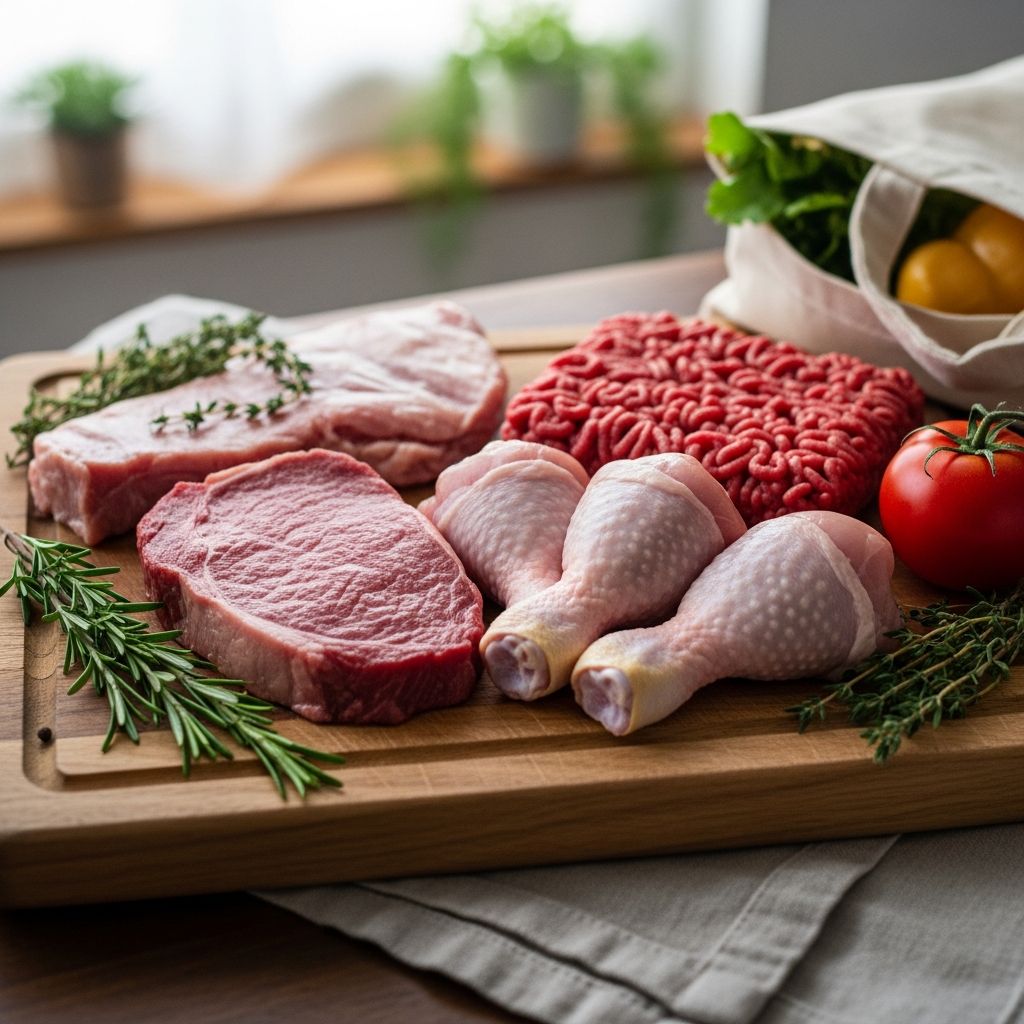
Feeding a family healthy, organic meals doesn’t have to drain your grocery budget. Many families assume that purchasing organic meat means spending significantly more money, but with strategic shopping and smart choices, you can enjoy high-quality, organic protein at prices that won’t stress your finances. Whether you’re buying for a small household or feeding a large family, these proven strategies will help you stretch your organic meat budget further while maintaining nutritional quality and ethical sourcing standards.
1. Watch Your Portion Sizes
One of the simplest and most effective ways to reduce meat spending is through careful portion control. The American Heart Association recommends that one serving of cooked meat should be between 2 to 3 ounces. When planning meals, calculate approximately 4 ounces of raw meat per person, accounting for the roughly 25% weight loss that occurs during the cooking process. This percentage may vary depending on the fat content of the meat and whether the cut includes bones.
By being intentional about portion sizes, you can make your organic meat purchases stretch further across multiple meals. This approach doesn’t mean sacrificing satisfaction; rather, it’s about being strategic with your resources. Many people serve larger portions than necessary, which significantly increases their overall meat consumption and expenses. Smaller, well-planned portions combined with vegetables, grains, and legumes create balanced, satisfying meals that cost less per serving.
2. Choose White Meat More Frequently
Red meats such as beef and lamb typically cost considerably more than white meats including chicken, turkey, and pork. The good news is that white meats can substitute for red meats in most recipes without sacrificing flavor or nutrition, potentially saving you up to 50% per pound on protein costs.
When making substitutions in your favorite recipes, consider these practical swaps:
- Replace beef or lamb roasts with pork roasts, whole chickens, or turkey for roasted meat dishes
- Use chicken thighs instead of lamb in recipes that call for gamey flavors, as dark chicken meat provides a similar taste profile
- Substitute pork chops for steaks in traditional steak recipes
- Interchange ground white meats with ground red meats in stewed dishes and ground meat recipes
Dark meat from chicken and turkey is especially economical since consumer preference for white meat drives prices lower for thighs, drumsticks, and legs. These cuts are equally nutritious and flavorful, making them an intelligent choice for budget-conscious organic shoppers.
3. Buy the Cheapest Cuts and Parts
Understanding meat pricing helps you identify the best deals. Budget-friendly organic cuts typically require longer cooking times but deliver excellent results when prepared correctly. These less expensive cuts come from less tender muscle regions that contain more connective tissue, tendons, and ligaments, which break down during slow cooking to create tender, flavorful dishes.
Here’s a breakdown of organic meat price ranges by cut:
| Meat Type | Budget Cut Price | Premium Cut Price |
|---|---|---|
| Beef Roasts | $7-$9/lb (chuck, sirloin, rump) | $15-$20/lb (ribeye) |
| Beef Steaks | $9/lb (sirloin) | $35/lb (filet mignon) |
| Pork Roasts | $4/lb (cheaper cuts) | $15/lb (tenderloin) |
| Lamb | $6/lb (budget cuts) | $40/lb (premium cuts) |
| Turkey | $5/lb (legs) | $12/lb (breast) |
As you can see, choosing budget cuts over premium options can save you substantial money. Dark turkey and chicken meat costs less due to high consumer demand for white meat, making these pieces excellent value choices. Mastering cooking methods like slow roasting, braising, and stewing transforms these economical cuts into delicious, tender meals that rival expensive steaks.
4. Shop Sales Strategically
Buying meat on sale and having adequate freezer space are among the easiest ways to reduce organic meat costs. Demand fluctuations, seasonal changes, and food trends significantly impact organic meat pricing. By purchasing meat when prices are lowest and freezing it for later use, you can stock your freezer with organic protein at substantial savings.
Pay attention to seasonal trends and upcoming holidays, as these events typically trigger sales. Additionally, changing seasons often bring price reductions as inventory shifts occur. The key is maintaining open freezer space so you can take advantage of deals when they appear. Consider sharing bulk purchases with family members or friends to maximize savings while managing storage limitations.
5. Complement Meat With Strategic Bean Choices
Extending meat further by combining it with beans reduces the amount of protein you need per serving while adding fiber and nutrition. Different bean varieties pair well with specific meats. Darker beans like kidney, pinto, and red beans work beautifully with red meats, while lighter varieties such as cannellini and navy beans complement white meats perfectly.
This approach allows you to create satisfying, protein-rich meals using less meat. Beans are significantly cheaper than meat, making them an economical way to bulk up dishes. Don’t be afraid to experiment with different flavor combinations to find pairings your family enjoys.
6. Purchase Directly From Local Farmers
Buying meat directly from local farmers offers exceptional value, typically providing 25 to 50% savings compared to organic meat from grocery stores. Beyond the price advantage, you gain valuable insights into how animals are raised and can build relationships with the farmers who produce your food.
Finding Local Farmers:
- Visit your local farmers market and speak directly with producers
- Ask friends and neighbors for farmer recommendations
- Search online directories and local agriculture websites
- Speak with your local butcher, who often knows area farmers and can negotiate bulk discounts
Understanding Bulk Purchases:
Farmers typically sell animal portions ranging from quarters to full animals. While most won’t go smaller than a quarter portion, it’s always worth asking about smaller options. You can also partner with friends or family to split costs and share the meat from larger purchases.
An important consideration: the weight quoted by farmers represents the animal’s hanging weight before butchering. Expect to lose one-third to one-half of the quoted weight during processing. Despite this loss, purchasing directly from farmers remains cheaper than store-bought organic meat. An added bonus is the ability to specify exactly how you want the meat processed, including steak thickness and cut preferences.
7. Buy Meat in Season
Like produce, organic meat has seasons that vary by location. While you can purchase any meat type year-round, buying in season can save you up to 50%. These seasonal sales present perfect opportunities to stock your freezer and even splurge on premium cuts at discounted prices.
Seasonal Meat Buying Guide:
- Beef season typically begins after the first cold spell in fall, offering the best prices
- Pork season arrives later in fall after pigs have fed on late-season fruits and nuts
- Prices vary significantly based on your geographic location
Researching when each meat is in season in your area helps you plan your freezer-stocking strategy. Seasonal buying not only saves money but often means better quality meat, as animals raised on natural seasonal feeds produce superior products.
Frequently Asked Questions
Q: How much raw meat should I plan per person?
A: Plan for approximately 4 ounces of raw meat per serving. This accounts for the roughly 25% weight loss during cooking, resulting in the recommended 2 to 3 ounces of cooked meat per serving according to the American Heart Association.
Q: Which white meats are cheapest?
A: Generally, chicken, turkey, and pork are less expensive than beef and lamb. Dark meat cuts like chicken thighs, turkey legs, and drumsticks are particularly budget-friendly since white meat is in higher demand.
Q: Can I really save 50% by buying from local farmers?
A: Yes, purchasing directly from local farmers can save you 25 to 50% compared to store-bought organic meat. The upfront cost may be higher, but the per-pound savings are significant, especially when buying in bulk.
Q: What should I do if I lose weight when the meat is processed?
A: Losing one-third to one-half of hanging weight during butchering is normal. Despite this loss, bulk purchases directly from farmers remain cheaper overall than grocery store organic meat.
Q: How long can I store organic meat in my freezer?
A: Properly wrapped and frozen organic meat typically stays fresh for 6 to 12 months, depending on the type. Beef and pork last longer than poultry. Always label packages with the date and type of meat.
Q: Are cheaper meat cuts as nutritious as premium cuts?
A: Yes, budget cuts contain similar nutritional value to premium cuts. The difference is in tenderness and cooking method required. Cheaper cuts benefit from slow cooking techniques like braising and stewing.
Making Organic Meat Affordable for Your Family
Buying organic meat on a budget requires planning, flexibility, and knowledge about pricing strategies. By implementing these seven strategies, families can enjoy high-quality, sustainably-raised protein without excessive expense. Start with one or two strategies that best fit your lifestyle—whether that’s portion control, choosing white meat more often, or seeking out local farmers. As you become more comfortable, add additional techniques to maximize your savings further.
The combination of smaller portions, white meat preferences, budget-conscious cuts, strategic sales shopping, seasonal purchasing, direct farmer relationships, and thoughtful bean pairing creates a comprehensive approach to affordable organic meat consumption. Your family can feel good about the quality and ethics of the food you serve while maintaining a healthy budget.
References
- Dietary Guidelines for Americans 2020-2025 — U.S. Department of Agriculture and U.S. Department of Health and Human Services. 2020. https://www.dietaryguidelines.gov
- Recommendations for Healthy Eating Pattern — American Heart Association. 2024. https://www.heart.org/en/healthy-living/healthy-eating
- The Environmental Benefits of Grass-Fed Beef Production — National Cattlemen’s Beef Association. 2023. https://www.beefitswhatsfordinner.com
- Local Food Systems and Economic Impact — USDA Agricultural Marketing Service. 2024. https://www.ams.usda.gov/services/local-regional
- Organic Certification Standards and Consumer Benefits — USDA National Organic Program. 2024. https://www.ams.usda.gov/about-ams/programs-offices/national-organic-program
Similar Articles








Read full bio of Sneha Tete