Is Buying On Amazon Safe? 5 Essential Tips To Shop Safely
Discover essential tips to shop safely on Amazon, avoid scams, and ensure secure purchases every time you buy online.
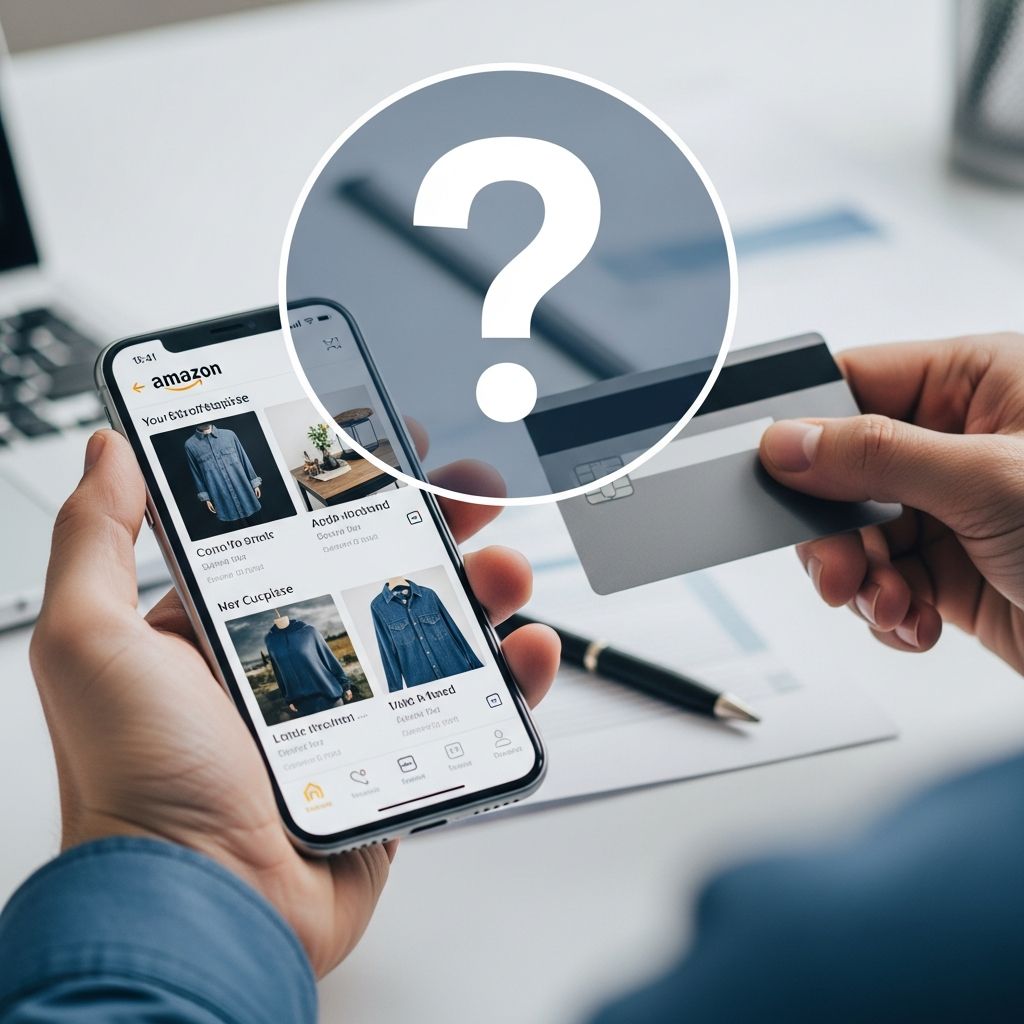
Amazon is one of the largest online marketplaces, offering millions of products from countless sellers. But with convenience comes risks like counterfeit goods, shady vendors, and delivery issues. The good news: buying on Amazon can be safe if you follow proven strategies to vet sellers and products. This guide outlines
5 essential tips
to protect your money and data while shopping.Whether you’re hunting Prime Day deals or everyday essentials, these steps help you navigate Amazon’s vast ecosystem confidently. We’ll cover identifying trustworthy sellers, decoding labels like “Amazon’s Choice,” scrutinizing reviews, securing payments, and knowing when to shop elsewhere. By the end, you’ll shop smarter and safer.
1. Always Check the Seller Before Buying
The first step to safe Amazon shopping is verifying the vendor. Amazon’s search results show product titles, prices, shipping details, and ratings—but crucially, no seller name upfront. You must click into the product page to find it, often as a small blue hyperlink under the title.
Clicking reveals the seller’s other listings. For major brands like Sony or Nike, this may suffice. But for unknowns, dig deeper:
- Google the seller name: Look for a legitimate website with contact info, employee lists, locations, and physical addresses. Avoid sites that look hastily made or lack HTTPS security.
- Check social proof: Authentic social media profiles with real engagement (not just stock photos or bot comments) signal legitimacy.
- Review external ratings: Search Better Business Bureau (BBB) for complaints or accreditations. Glassdoor can reveal employee insights on company practices. The Federal Trade Commission (FTC) reports that consumers lost $2.7 billion to online shopping scams in 2023 alone, underscoring the need for vigilance.
- Feedback score: On Amazon, check the seller’s rating (aim for 95%+ positive) and number of reviews. Low-volume sellers with perfect scores may be suspect.
Example: Searching a suspicious seller might reveal scam reports on BBB or Reddit. If nothing verifiable appears, walk away. Reputable sellers often have established online footprints, as confirmed by consumer protection guidelines from the FTC.
| Green Flags | Red Flags |
|---|---|
| BBB accreditation, active website, high Amazon feedback | No website, recent account, unresolved complaints |
| Thousands of sales, consistent positive reviews | Too-good-to-be-true prices, generic stock photos |
2. Look Deeper Than the “Amazon’s Choice” Label
“Amazon’s Choice” badges appear prominently, suggesting endorsement. However, an Amazon spokesperson clarified to The Penny Hoarder that it’s based solely on price, shipping speed, and customer reviews—not safety or quality vetting. Any seller can qualify, including third-party ones.
Sponsored products (marked “Sponsored”) are paid ads ranking higher. Neither label guarantees legitimacy. Instead:
- Scroll past the top 3-5 results for organic listings.
- Compare prices across sellers—unusually low ones often indicate counterfeits.
- Read the full product description for specifics like materials or origins.
The U.S. Government Accountability Office (GAO) has noted that platforms like Amazon struggle with counterfeit influx, with over 3,000 seizures in 2024. Rely on your research, not badges.
3. Read Reviews Like a Pro—But Wisely
Customer reviews influence 93% of purchases, per FTC data, but fakes abound. Amazon combats this with algorithms detecting patterns, yet vigilance is key.
- Sort by ‘Most Recent’: Early 5-star reviews may be incentivized; check for updates.
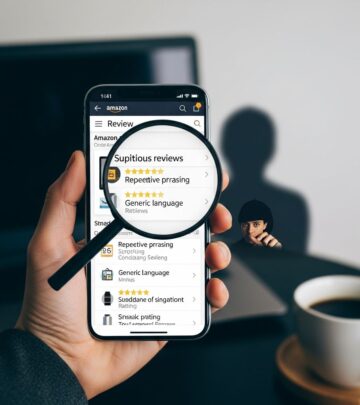
- Spot fakes: Identical phrasing, reviewer profiles with few other reviews, or spikes post-launch signal manipulation.
- Focus on verified purchases: Amazon marks these with badges—prioritize them.
- Examine photos/videos: Real user uploads trump stock images.
Avoid trusting suspiciously uniform praise. Cross-reference with external sites like Trustpilot for the product or seller.
4. Use Secure Payment and Delivery Options
Stick to Amazon Pay or major credit cards—they offer buyer protection. PayPal is rarely accepted on Amazon, and wire transfers or gift cards scream scams.
- Credit cards: Chargeback rights via Fair Credit Billing Act protect against fraud.
- Amazon Pay: A-to-z Guarantee covers eligible issues up to $2,500.
- Ship to safe addresses: Use Amazon lockers or work for valuables.
Enable two-factor authentication (2FA) on your account. Monitor statements post-purchase.
5. Still Not Sure? Buy It Elsewhere
If doubts linger, skip Amazon. Brick-and-mortar stores or direct brand sites (e.g., Apple’s store) eliminate third-party risks. Walmart, Target, or Best Buy often match prices with easier returns.
For high-value items like electronics, official sites provide warranties without marketplace hassles.
Bonus Tips for Amazon Prime Members
Prime offers fast shipping and returns, reducing risks. Trial membership for events like Prime Day maximizes savings safely.
- Subscribe & Save for 5-15% off recurring buys.
- Use Warehouse Deals for discounted returns—inspected with guarantees.
Frequently Asked Questions (FAQs)
Q: Is Amazon itself safe to shop from?
A: Yes, items sold directly by Amazon (marked “Sold by Amazon”) are reliable with full guarantees. Third-party sellers require extra checks.
Q: How do I spot counterfeit products on Amazon?
A: Look for pricing anomalies, poor photos, vague descriptions, and clustered reviews. Use Amazon’s Report Abuse tool if suspicious.
Q: What if my Amazon order arrives damaged or fake?
A: Use Order Issues for returns/refunds within 30 days. A-to-z Guarantee handles seller disputes.
Q: Are Amazon gift cards safe for payments?
A: No—never use them for purchases outside Amazon; they’re common scam bait.
Q: Does Prime protect against third-party seller issues?
A: Prime ensures fast shipping/returns but not product authenticity. Vet sellers regardless.
References
- Consumer Sentinel Network Data Book 2023 — Federal Trade Commission (FTC). 2024-02-01. https://www.ftc.gov/system/files/ftc_gov/pdf/Consumer_Sentinel_Network_Data_Book_2023.pdf
- Counterfeit Goods Seizures Report — U.S. Government Accountability Office (GAO). 2025-01-10. https://www.gao.gov/products/gao-25-106682
- Online Shopping and Marketplace Fairness Act Review — U.S. Department of Commerce. 2024-11-15. https://www.commerce.gov/news/reports/2024/11/online-shopping-marketplace-fairness-act-review
- Amazon Buyer Protection Policies — Amazon.com Official Help Pages. 2026-01-01. https://www.amazon.com/gp/help/customer/display.html?nodeId=GQ37ZCNECJKTFYQV
- E-Commerce Fraud Trends 2025 — Federal Bureau of Investigation (FBI) Internet Crime Complaint Center (IC3). 2025-03-01. https://www.ic3.gov/Media/PDF/AnnualReport/2025_IC3Report.pdf
Similar Articles








Read full bio of Sneha Tete