Purchasing Your Leased Vehicle: A Complete Financial Guide
Evaluate whether buying your lease is the right choice for your financial situation
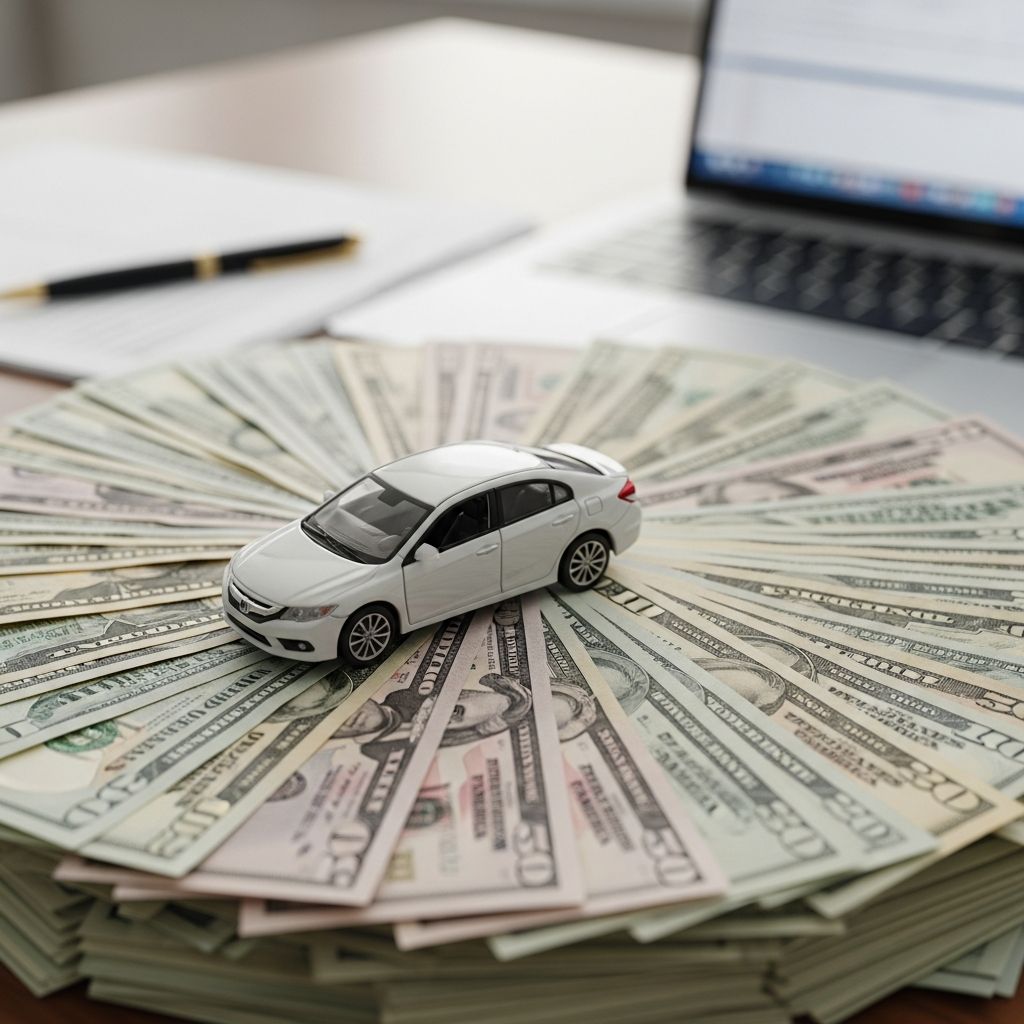
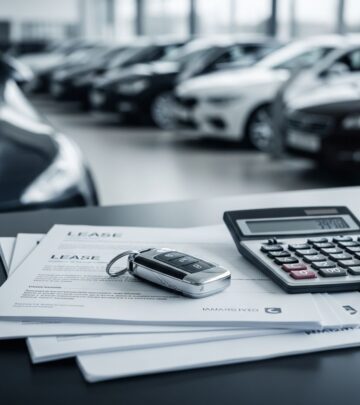
When your vehicle lease approaches its conclusion, you face a pivotal decision that will significantly impact your finances for years to come. The option to purchase your leased car represents one of several pathways available to you at lease termination, and understanding the financial implications of this choice requires careful analysis of multiple factors including residual value calculations, current market conditions, and your personal driving patterns.
Understanding the Lease Buyout Mechanism
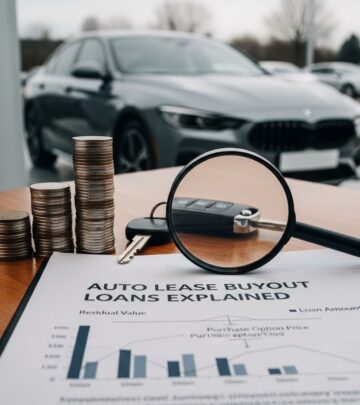
At the inception of your lease agreement, the leasing company establishes a residual value—the predetermined price at which you can purchase the vehicle once your lease expires. This price is locked in your contract from day one, regardless of how the vehicle’s actual market value changes during the lease term. This predetermined pricing structure creates unique advantages and disadvantages depending on market fluctuations.
The residual value represents what the leasing company estimates the car will be worth at lease end. If actual market values drop significantly below this predetermined figure, purchasing at the contractual price becomes financially unfavorable. Conversely, if market values remain higher than anticipated, executing the buyout could provide excellent value.
Financial Comparison: Purchase Versus Alternative Options
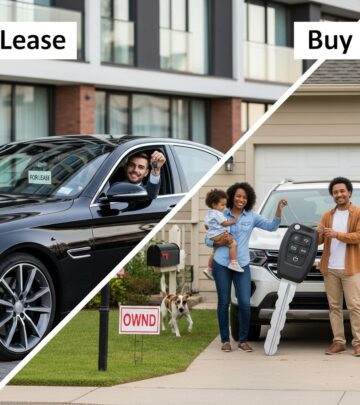
When your lease concludes, you essentially have three paths forward: purchase the vehicle at the predetermined residual value, return the car and lease a new vehicle, or return the car and purchase a different vehicle from the open market. Each option carries distinct financial consequences.
Continuing with lease cycles means perpetual monthly payments. For drivers who continuously transition from one lease to another, car payments essentially never cease. Over decades of driving, this approach typically costs more than purchasing and retaining a vehicle long-term. However, leasing appeals to those who value driving newer vehicles with the latest technology and safety features, accepting continuous payments as the trade-off.
Returning and purchasing elsewhere allows you to negotiate independently in the open market. This approach works particularly well if your lease vehicle’s residual value significantly exceeds its actual market value—you can return the car and purchase a comparable vehicle at a lower cost.
Executing the lease buyout becomes attractive when residual values align favorably with actual market conditions. If the predetermined price approximates or falls below current market rates, purchasing the vehicle you already know and have maintained could represent sound financial judgment.
Critical Factors in Your Purchase Decision
Vehicle Condition and Maintenance History
One substantial advantage of purchasing your leased vehicle is your intimate knowledge of its maintenance history. You’ve controlled how this specific car has been driven and maintained throughout the lease term. This information provides valuable insight into potential future repair costs that you wouldn’t possess when purchasing an unfamiliar vehicle.
Additionally, leased vehicles typically operate within warranty coverage during their lease term, meaning you’ve experienced minimal major repair expenses. However, once you own the vehicle, you assume responsibility for all maintenance and repairs going forward. Understanding your particular vehicle’s reliability history helps you forecast these future costs more accurately than when purchasing an unknown used vehicle.
Mileage Considerations
During your lease, you likely accepted mileage restrictions, typically ranging from 10,000 to 15,000 miles annually. If you’ve consistently exceeded these limits, you’ve accumulated excess mileage charges on your lease payments. After purchasing the vehicle, you can drive unlimited miles without penalty, which may justify the buyout if you maintained high mileage throughout the lease period.
Conversely, if you drove well below the mileage allowance, you’ve already benefited from lower overall lease costs. Purchasing a vehicle you barely drove may not provide additional financial benefit, especially if the residual value proves unfavorable.
Wear and Tear Assessment
Leasing companies impose strict wear-and-tear standards, and excess damage triggers substantial end-of-lease fees. If your vehicle shows visible wear beyond normal use, purchasing at the predetermined residual value might actually save you money compared to paying damage assessments. This scenario particularly favors purchase decisions for drivers with families, pets, or high-usage lifestyles that naturally accumulate vehicle wear.
However, if you’ve maintained your leased vehicle in excellent condition, returning it allows you to avoid the burden of ownership-related depreciation and repair risks going forward.
Market Value Analysis and Timing
The alignment between your lease’s residual value and the vehicle’s actual market value fundamentally determines whether purchasing makes financial sense. Research current market prices for your vehicle’s make, model, year, and condition using resources like Kelly Blue Book or Edmunds.
If the market value significantly exceeds your residual purchase price, executing the buyout potentially provides exceptional value. You can purchase at the locked-in price and immediately benefit from positive equity. Some drivers even leverage this advantage by purchasing the vehicle and subsequently trading or selling it at the higher market rate, capturing the difference as profit.
If market values have declined below the residual price, purchasing your leased car leaves you underwater from day one. Market fluctuations, changes in fuel prices, introduction of competing models, and shifting consumer preferences all impact actual vehicle values. Purchasing in this scenario commits you to ownership of an asset that’s worth less than your purchase price.
Long-Term Ownership Cost Projections
The true measure of a lease buyout decision extends beyond the initial purchase moment. Consider your realistic ownership timeline after purchase. Buying and retaining a vehicle long-term typically represents the most cost-effective driving strategy overall. Once your loan is paid off, you continue enjoying the vehicle without monthly payments while it still provides transportation value.
Project potential repair and maintenance expenses based on your vehicle’s age, mileage, and reliability reputation. Factor in insurance costs, which may increase slightly once the warranty expires and you’re no longer protected by the lease agreement. Calculate registration and inspection fees for your location. Sum these projected costs over your anticipated ownership period and compare this total to the cost of continuing to lease or purchasing a different vehicle.
If you plan to own the vehicle for five or more years after purchase, the economics typically favor buying. However, if you anticipate a significant lifestyle change requiring a vehicle replacement within two years, continuing to lease or exploring alternative purchases becomes more prudent.
Financial Worksheet: Should You Buy Your Lease?
| Factor | Your Assessment | Financial Impact |
|---|---|---|
| Residual buyout price | $________ | Fixed cost |
| Current market value | $________ | Reference point |
| Vehicle condition rating | Excellent/Good/Fair/Poor | Affects future repair costs |
| Annual mileage driven | ________ | Determines unlimited-mile benefit |
| Excess wear-and-tear fees anticipated | $________ | Saved by purchasing |
| Projected annual maintenance cost | $________ | Post-warranty ownership expense |
| Planned ownership duration | _____ years | Determines total cost benefit |
Alternative Lease-End Strategies
Negotiating the Residual Value
While residual values appear fixed in your contract, some negotiation flexibility may exist, particularly in competitive markets or if you’ve maintained excellent payment history. Contacting your leasing company before lease end to discuss your situation occasionally yields options you might not anticipate.
Trading the Lease
Some dealerships accept lease transfers, allowing you to exit your lease agreement and let another driver assume the remaining payments. This option works well if your residual value proves unfavorable but you need to exit the lease early. However, early termination fees may apply depending on your specific lease terms.
Gap Insurance Considerations
If you owe more on your lease than the vehicle’s actual value—sometimes called being “upside down”—gap insurance protects you in total loss scenarios. When considering purchase, understand whether you have this protection and how ownership changes this coverage.
Frequently Asked Questions
Can I negotiate the lease buyout price?
The residual value in your contract is typically fixed and non-negotiable. However, it never hurts to ask your leasing company, particularly if significant time remains before lease termination.
What if I can’t afford the buyout price?
Many dealers and financial institutions provide financing specifically for lease buyouts. You might secure favorable loan terms by financing the purchase through your existing lender or exploring specialized automotive finance options.
Should I buy if the market value exceeds the residual price?
Generally yes, provided you plan to keep the vehicle long-term. This situation creates positive equity you can leverage, either by enjoying lower ownership costs or by trading the vehicle later at a profit.
What happens to the warranty after I purchase?
Your manufacturer warranty typically remains intact for the remainder of its coverage period regardless of ownership transfer. Gaps in warranty coverage after manufacturer protection expires represent a significant ownership cost to budget accordingly.
Making Your Decision
The choice to purchase your leased vehicle fundamentally depends on aligning residual value with actual market conditions, accurately projecting ownership costs, and honestly assessing your anticipated vehicle retention duration. This decision deserves careful financial analysis rather than emotional attachment to your familiar vehicle.
Drivers who drive high mileage, maintain vehicles meticulously, keep cars long-term, and face favorable residual-to-market ratios typically benefit from purchasing. Conversely, those who prefer continuous vehicle upgrades, drive modestly, face unfavorable valuations, or anticipate near-term lifestyle changes usually benefit from leasing alternatives.
Gather all relevant documentation including your lease contract, current market value research, projected repair costs, and financing options. Compare the total cost of ownership across your realistic planning horizon against alternative approaches. This comprehensive analysis transforms a major financial decision from intuition into informed strategy.
References
- Leasing vs. Buying a Car — Bankrate. 2024. https://www.bankrate.com/loans/auto-loans/leasing-vs-buying-a-car/
- Leasing vs. Buying a Car – Pros and Cons — Navy Federal Credit Union. 2024. https://www.navyfederal.org/makingcents/auto/buying-vs-leasing-a-car.html
- Leasing vs. Buying A Car — PNC Insights. 2024. https://www.pnc.com/insights/personal-finance/borrow/leasing-vs-buying-a-car.html
- Buying or Leasing a Car in 2026: Which Make is Best for You? — Consumer Reports. 2024. https://www.consumerreports.org/cars/buying-a-car/leasing-vs-buying-a-new-car-a9135602164/
- Pros and Cons of Leasing a Vehicle — Toyota.com. 2024. https://www.toyota.com/car-tips/pros-cons-leasing-vehicle/
- Should I Buy or Lease a Car? Car Leasing Pros and Cons — AARP. 2024. https://www.aarp.org/money/personal-finance/to-buy-or-not-to-buy-jbq/
Similar Articles








Read full bio of medha deb