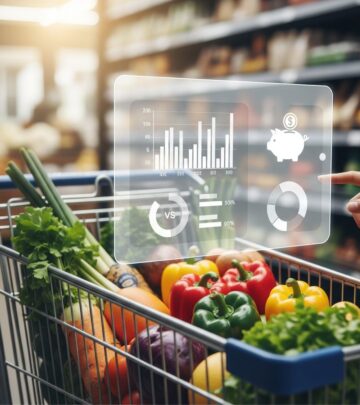
How Buying in Bulk Can Save You Money Right Now
Cut down on grocery trips and spending by mastering bulk buying to fight inflation and stretch your budget further.
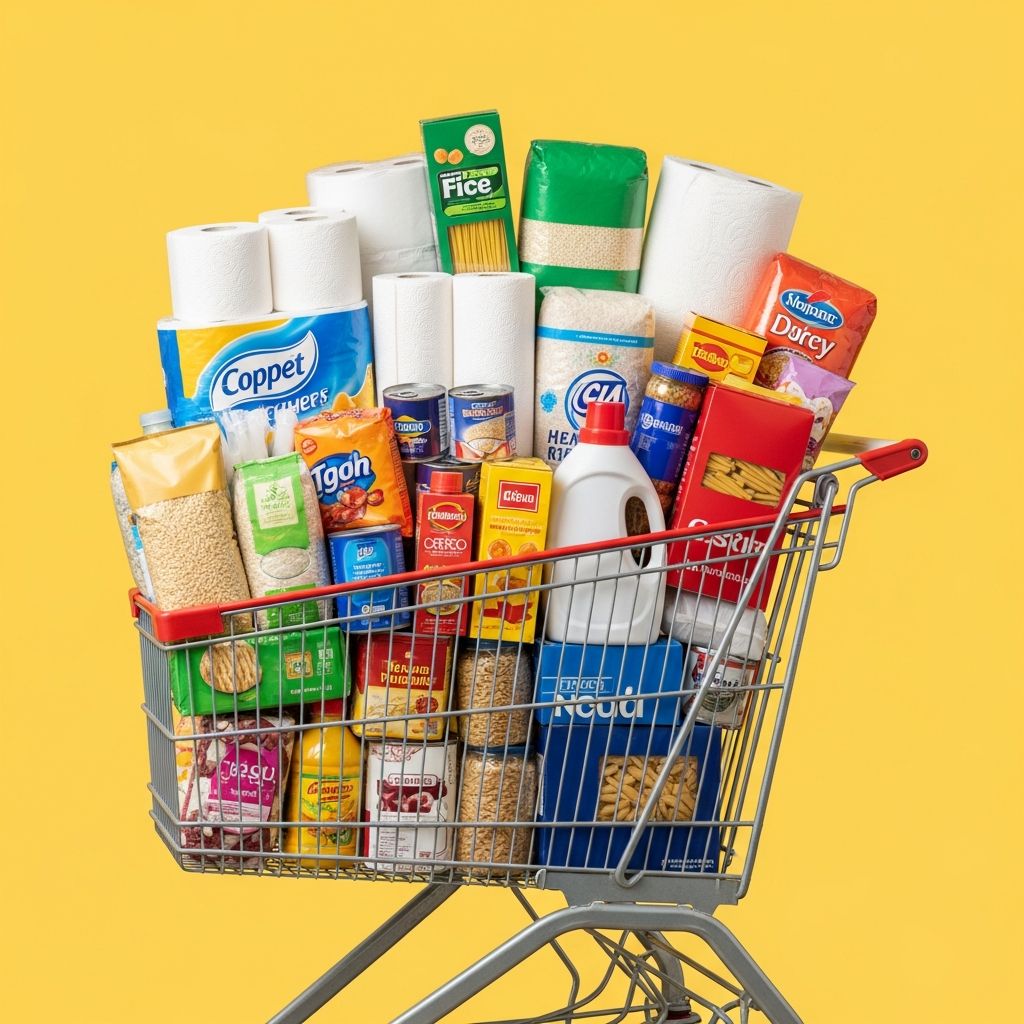
Cut down on your grocery store trips — and your grocery spending overall — by buying in bulk. Here’s how to do it right and fight inflation in today’s economy.
The Benefits of Buying in Bulk
Despite the higher upfront cost at the register, buying
bulk products
can significantly help you save money when the price per unit is lower than smaller packages. For example, a single apple might cost 75 cents at the grocery store, while a bag containing six apples costs $3, dropping the price to just 50 cents each. This simple math illustrates the core advantage: economies of scale make bulk buying cheaper over time.Beyond the lower
cost per unit
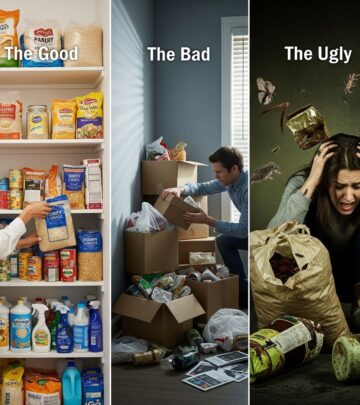
, there are multiple other benefits. Stocking up means fewer trips to the store, saving on gas and reducing the temptation for impulse buys that inflate your budget. You’ll reclaim valuable free time otherwise spent shopping. Environmentally, bulk purchases often come with less packaging waste, contributing to sustainability efforts. Additionally, a well-stocked pantry provides a safety net during emergencies like storms, supply chain disruptions, or sudden job loss, ensuring you’re not scrambling for essentials.However, success hinges on smart choices. Avoid justifying oversized purchases that lead to waste, like unused jars of olives gathering dust. Focus on items with long shelf lives that your household regularly uses and enjoys. Non-perishables like rice, pasta, canned goods, toiletries, and cleaning supplies are ideal starters. By prioritizing these, bulk buying transforms from a gamble into a reliable savings strategy.
How to Know When Buying in Bulk Is a Good Deal
Determining if bulk is truly a bargain requires a few straightforward steps to compare value accurately. First, note the total price of the item. Second, examine the
price per unit
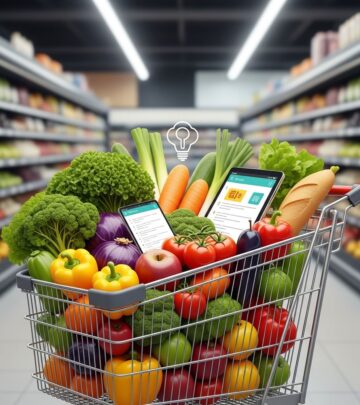
— whether ounces, pounds, liters, or counts — usually printed on the price label in smaller font nearby. This unit price is your key metric for apples-to-apples comparisons across package sizes.Don’t assume bigger always means better; sometimes a smaller multipack offers a lower unit price. Calculate manually if needed: divide total price by quantity (e.g., $3 bag / 6 apples = $0.50 each). Apps and store apps often highlight these, but always verify. Look for sales or coupons to amplify savings. This diligence ensures you’re not overpaying for perceived value.
| Package Size | Total Price | Unit Size | Price per Unit | Savings vs. Single |
|---|---|---|---|---|
| Single Apple | $0.75 | 1 apple | $0.75 | – |
| 6-Pack Bag | $3.00 | 6 apples | $0.50 | 33% less |
| Family Pack Paper Towels (2) | $5.00 | 12 rolls | $0.42/roll | Best deal |
| Bulk Case (16 rolls) | $25.00 | 16 rolls | $1.56/roll | Worse value |
This table shows real-world comparisons: always prioritize the lowest unit price to confirm bulk savings.
Places to Shop for Bulk Buying
**Warehouse stores** like Costco, Sam’s Club, and BJ’s Wholesale Club are bulk buying powerhouses, offering vast selections of groceries, household goods, electronics, and more. These require annual memberships costing $50 to $120, depending on the tier. For monthly shoppers, that’s $4.17 to $10 per trip — often offset by savings on high-markup items like meat, dairy, and paper products. Trial periods or guest passes can help test the waters.
- Costco: Executive membership ($120) offers 2% rewards; best for gas, rotisserie chickens, and Kirkland brand staples.
- Sam’s Club: Plus tier ($110) includes free shipping; strong on Scan & Go app for quick checkouts.
- BJ’s Wholesale: Lower entry ($55); accepts coupons, ideal for East Coast shoppers.
Don’t limit yourself to warehouses — regular
grocery stores
like Walmart, Kroger, or Publix often stock bulk options. Check family-size cookies, economy laundry detergent, or jumbo cereal boxes. These are frequently on bottom or top shelves, away from eye-level impulse items. Unit prices reveal deals you might miss.For online convenience,
Amazon
(via Subscribe & Save) andBoxed
deliver bulk without leaving home. Hit free shipping thresholds (e.g., Amazon’s $35+) to maximize value. Compare with warehouse hauls for perishables.How to Avoid the Pitfalls of Buying in Bulk
While rewarding, bulk buying has drawbacks like high upfront costs and spoilage risks. Here are proven tips to sidestep them and optimize savings.
1. Careful With the Credit Card
Bulk requires more cash upfront, straining tight budgets. Resist credit cards to avoid interest charges — pay with cash or debit. Build a bulk fund gradually from regular savings.
2. Pace Yourself and Plan Ahead
Start small: pick 1-2 staples like toilet paper or rice. Gradually expand. Inventory your pantry first, then shop sales, coupons, or apps like Ibotta for extra discounts. Meal plan to use perishables promptly.
3. Share the Cost
Split mega-packs with friends, family, or neighbors via group buys or co-ops. This cuts costs, shares storage, and prevents waste — perfect for singles or small spaces.
4. Storage and Shelf Life Matter
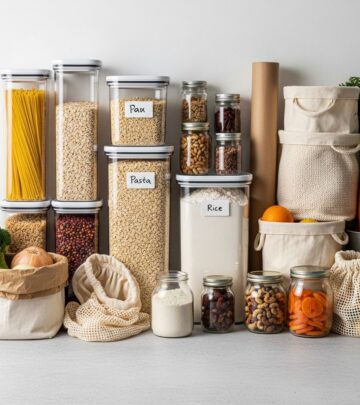
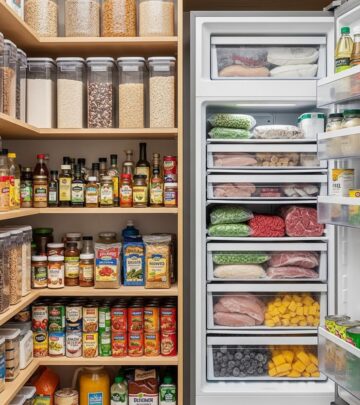
Assess space: use airtight containers, vacuum sealers, or under-bed storage. Buy non-perishables first; freeze meats in portions. Check expiration dates rigorously.
5. Track Your Savings
Log unit prices and totals pre/post-bulk to quantify wins. Adjust based on usage — if something lingers, scale back next time.
Frequently Asked Questions (FAQs)
Q: Is buying in bulk always cheaper?
A: No, compare unit prices — bulk wins only if per-unit cost is lower. Small packs sometimes beat jumbo sizes.
Q: What’s the best first bulk item for beginners?
A: Toilet paper, paper towels, or laundry detergent — non-perishable, high-use, and often deeply discounted.
Q: Can singles or small households buy in bulk?
A: Yes, share with others, freeze portions, or choose warehouse trials. Focus on dry goods.
Q: How do memberships pay off?
A: If you shop monthly, savings on staples exceed $5-10 fees. Track with apps.
Q: Does bulk help with inflation?
A: Yes, locks in lower rates now, reducing exposure to price hikes per U.S. Bureau of Labor Statistics data on rising food costs.
References
- How Buying in Bulk Can Save You Money Right Now — The Penny Hoarder. 2023. https://www.thepennyhoarder.com/save-money/buying-in-bulk/
- How to Save Money on Groceries: 28 Best Ways — The Penny Hoarder. 2023. https://www.thepennyhoarder.com/save-money/groceries-100/
- Buying in Bulk: A Guide to Saving at the Store — AOL. 2023. https://www.aol.com/buying-bulk-more-value-money-140033351.html
- How to Buy in Bulk and Save Money Right Now — MoneyTalksNews (orig. The Penny Hoarder). 2023-05. https://www.moneytalksnews.com/slideshows/how-buying-in-bulk-can-save-you-money/
- Why is Buying Items in Bulk Cheaper? — Reel Paper. 2023. https://www.reelpaper.com/blogs/reel-talk/why-is-buying-items-in-bulk-cheaper
Similar Articles








Read full bio of medha deb