Buying Flipped Homes: Smart Strategies
Discover essential tips to evaluate flipped properties, avoid hidden pitfalls, and secure a reliable investment in the competitive housing market.

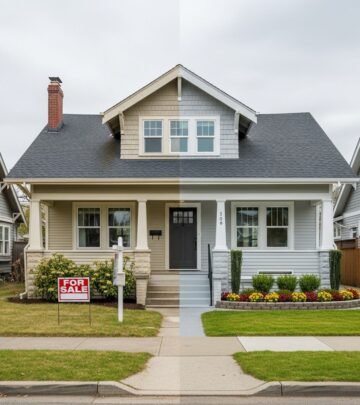
Flipped homes attract buyers seeking updated properties without the hassle of major renovations. These residences, recently purchased, renovated, and relisted for sale, promise contemporary features and potential value. However, rushed flips by investors prioritizing profit can conceal structural flaws or substandard repairs. This guide outlines critical steps to assess these properties thoroughly, drawing from real estate best practices to help you make informed decisions.
Understanding the Appeal and Risks of Renovated Properties
Renovated homes often feature fresh kitchens, modern bathrooms, and stylish finishes that appeal to first-time buyers or those avoiding DIY projects. The quick turnaround—no waiting for sellers to vacate—allows immediate move-in, streamlining the process compared to traditional sales. Yet, the pressure to sell fast leads some flippers to use inferior materials or skip essential fixes, resulting in problems like faulty wiring or unstable foundations that surface post-purchase.
Buyers benefit from lower prices relative to new builds, but must weigh risks such as hidden moisture damage or unpermitted additions. Statistics from housing markets show that while successful flips yield profits for sellers, about 10-20% encounter issues requiring buyer-funded corrections, emphasizing the need for vigilance.
Initial Research: Tracing a Property’s Recent Past
Begin by examining public records to confirm if the home is a flip. Access county assessor databases or real estate platforms to review sales history. A purchase within the last 6-12 months followed by a significant price jump signals renovation activity. For instance, if acquired for $200,000 and listed at $350,000 shortly after, expect substantial changes.
Investigate the seller’s profile. Corporate entities or LLCs managing multiple listings often indicate professional flipping operations. Cross-reference with neighborhood trends: Does the pricing align with comparable sales, or does it seem inflated? This step reveals if the flip aligns with market realities.
- Check transaction dates and price escalations via local records.
- Verify seller type—individuals rarely flip aggressively.
- Compare against recent comps in the area for pricing sanity.
Spotting Renovation Red Flags During Viewings
Schedule multiple viewings with a detailed checklist focusing on high-cost areas like kitchens and baths. Fresh paint and new fixtures impress, but inspect for uneven tiles, mismatched grout, or hastily installed cabinets—hallmarks of cost-cutting. Test windows and doors for drafts, outlets for stability, and appliances for functionality.
Observe broader signs: Uneven floors may hide foundation shifts, while mismatched flooring styles suggest patchwork jobs. Engage neighbors for insights on the renovation timeline and any disruptions, providing context on work quality.
| Area to Check | Potential Issues | What to Look For |
|---|---|---|
| Kitchen/Bath | Cheap fixtures | Seams in counters, water stains under sinks |
| Windows/Doors | Poor sealing | Gaps allowing air, foggy glass |
| Electrical | Unsafe wiring | Loose plates, flickering lights |
| Overall | Cosmetic only | No updates to HVAC or roof |
Validating Renovation Credentials and Compliance
Request documentation on contractors involved. Licensed professionals adhere to standards, reducing risks of code violations. Unskilled labor often leads to dangers like improper plumbing causing leaks or floods. Search state licensing boards for credentials and complaints.
Permits are non-negotiable. Major alterations—electrical, structural, or additions—require city approvals. Absence suggests uninspected work, potentially voiding insurance or demanding retroactive fixes. Contact municipal building departments; online portals list filings, fees, and inspections. Unpermitted changes could burden you with fines or demolition orders.
The Critical Role of Professional Inspections
No purchase skips a thorough inspection. Hire an independent expert to probe HVAC, plumbing, electrical, and structural elements beyond surface appeal. They detect concealed issues like mold behind new drywall or corroded pipes.
Opt for inspectors experienced in flips, as they recognize common shortcuts. Budget $400-800, but it prevents thousands in surprises. If concerns arise, request specialist follow-ups for roof, foundation, or pest issues. Use findings to negotiate repairs or price reductions.
Navigating Financing Hurdles for Recent Flips
Lenders scrutinize flips due to fraud risks. FHA loans mandate 90 days between prior sale and new closing; VA requires 180 days if value doubles. Conventional mortgages may impose similar seasoning periods to ensure stable appraisals.
Cash buyers bypass these, but financed purchases need pre-approval awareness. Appraisals might undervalue if renovations seem superficial, affecting loan amounts. Discuss with your lender early.
Financial Realities: Budgeting Beyond the List Price
Flips tempt with deals, but factor closing costs, potential repairs, and moving. Compare after-repair value against purchase price; overpricing erodes equity. Aim for properties where renovation scope matches quality claims.
Post-purchase, home warranties cover appliances and systems, mitigating flip uncertainties. Annual costs around $500 provide peace of mind.
Long-Term Ownership: Planning for Durability
Beyond buying, consider upkeep. Flips prioritize aesthetics over longevity—budget for upgrades like energy-efficient windows or robust roofing within years. Neighborhood stability influences resale potential; research growth trends.
Frequently Asked Questions
How soon after a flip can I finance the purchase?
Government-backed loans like FHA require 90-180 days post-prior sale, depending on value increase.
What if permits are missing?
You may face retrofitting costs, fines, or insurance denial—always verify.
Is a flip cheaper than a standard home?
Often yes, but inspect for value; poor work negates savings.
Can I negotiate based on inspection?
Yes, sellers may credit repairs or lower price.
Should I buy in a hot flip market?
Proceed cautiously; competition hides flaws—due diligence is key.
References
- Buying a flipped house: What you need to know — Rocket Mortgage. 2023. https://www.rocketmortgage.com/learn/buying-a-flipped-house
- Buying a Flipped House: Is It Right for You? — Zillow. 2023. https://www.zillow.com/learn/buying-a-flipped-house/
- What to Consider Before Buying a Flipped House — AHS. 2023. https://www.ahs.com/home-matters/homebuyer-hub-resources-and-guides/what-to-consider-before-buying-a-flipped-house/
- What to Expect When Buying a Flipped House — AAA Northeast Magazine. 2023. https://magazine.northeast.aaa.com/daily/money/mortgages/buying-a-flipped-house/
- HUD FHA Flipping Rules — U.S. Department of Housing and Urban Development (official .gov). 2023-10-01. https://www.hud.gov/program_offices/housing/sfh/np
Similar Articles








Read full bio of medha deb