Buying A Car On A Learner’s Permit: 2025 Guide For New Drivers
Discover if you can purchase a vehicle with just a learner's permit, navigate insurance hurdles, and master registration rules across states.
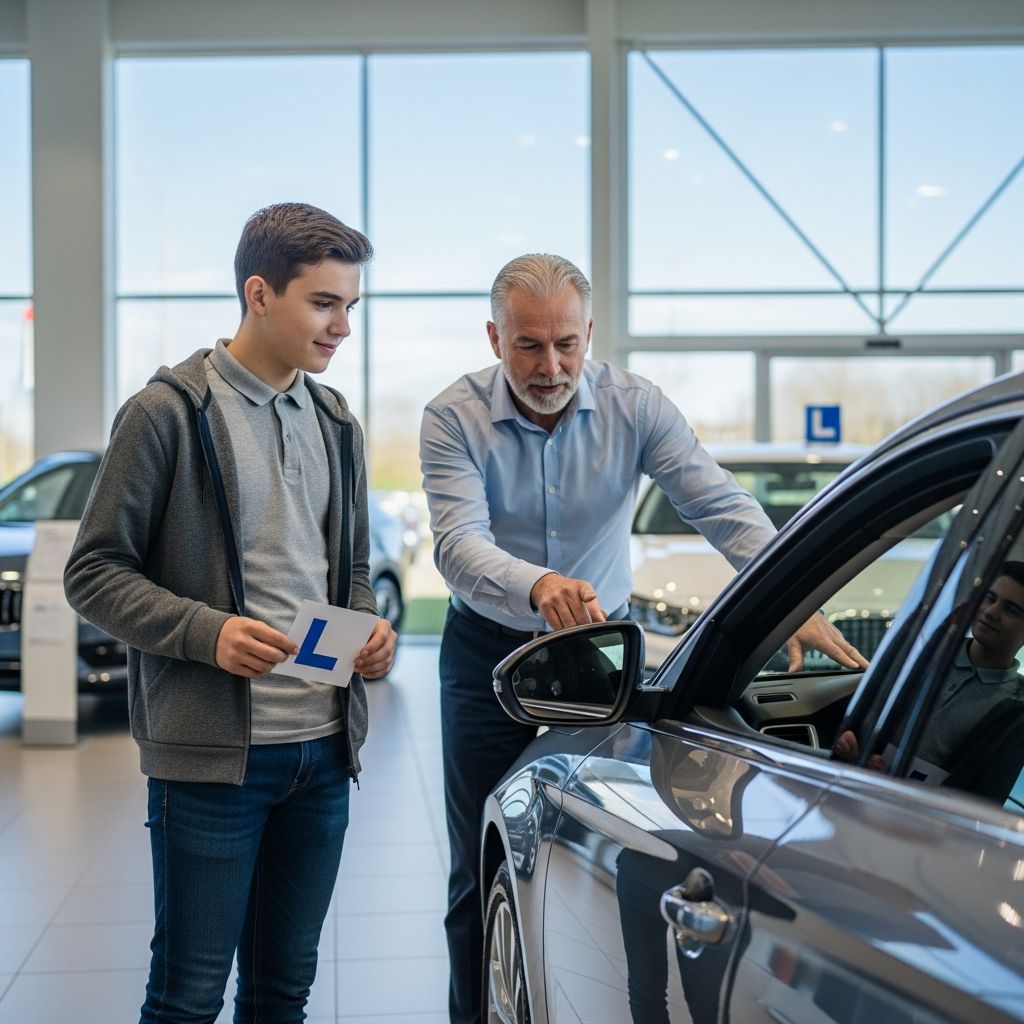
Acquiring a vehicle marks an exciting milestone for many aspiring drivers holding only a learner’s permit. While the act of purchasing a car itself typically does not demand a full driver’s license, subsequent steps like securing insurance, registering the vehicle, and obtaining financing introduce significant complexities. This comprehensive guide delves into the feasibility, potential roadblocks, and strategic approaches to successfully owning a car under these constraints.
Understanding Learner’s Permits and Vehicle Ownership
A learner’s permit, often issued to individuals under a certain age or those in the early stages of driver education, allows supervised driving practice but restricts independent operation. Importantly, no federal or uniform state law prohibits buying a car solely based on permit status. Dealerships and private sellers generally focus on payment and title transfer rather than the buyer’s driving credentials.
- Purchase Legality: Sellers cannot legally deny a sale due to lack of a license; transactions hinge on funds and paperwork.
- Title Transfer: The buyer receives ownership documents regardless of permit status.
- Driving Restriction: Post-purchase, the vehicle cannot be driven solo without violating permit rules.
However, ownership extends beyond the sale. Real-world hurdles emerge in making the car road-legal.
Key Challenges in the Process
While buying is straightforward, full utilization demands addressing insurance, registration, and loans. Each area presents unique barriers for permit holders.
Insurance Barriers
Most states mandate liability coverage before registration. Insurers view permit holders as higher risk due to inexperience, leading to reluctance or elevated rates. Some companies outright refuse policies without a license, while others demand a licensed co-policyholder.
- Higher premiums from perceived risk.
- Requirement for full coverage if financing.
- Potential need for parental or spousal inclusion.
Registration Variations by State
DMV rules differ widely. Certain states like Ohio and Delaware explicitly require a driver’s license for registration, blocking permit-only owners. Others permit it with alternative ID, but proof of insurance remains universal.
| State | License Required? | Alternative ID Allowed? | Notes |
|---|---|---|---|
| Ohio | Yes | No | Strict license mandate. |
| Delaware | Yes | No | Permit insufficient. |
| Texas | No | Yes (passport, etc.) | Photo ID required. |
| California | Varies | Yes | Insurance proof key. |
Financing Difficulties
Lenders prioritize creditworthiness but may request ID verification. A permit suffices for identity in many cases, yet some demand a license. Co-signers often ease approval for young buyers.
Step-by-Step Guide to Purchasing
Follow this structured plan to minimize issues.
- Assess Finances: Calculate total costs including loan payments, insurance estimates, and fees. Use online calculators for precision.
- Pre-Qualify for Loans: Shop lenders open to permit holders; consider credit unions or family co-signers.
- Shop Insurance Options: Compare quotes from multiple providers, disclosing permit status upfront.
- Select and Inspect Vehicle: Test drive under supervision; get a mechanic’s check.
- Complete Paperwork: Ensure seller provides clean title; prepare Form 130-U in states like Texas.
State Spotlights: Texas as a Case Study
Texas exemplifies permit-friendly policies. New residents or buyers must title within 30 days, using permits alongside passports or state IDs. Emissions tests apply in select counties.
- Proof of ownership: Original title.
- Photo ID: Learner’s permit qualifies with supplements.
- Insurance: Mandatory at inspection.
- Fees: Vary by county; pay at tax office.
Post-2025 updates replace temporary tags with plates, streamlining for all buyers.
Alternatives to Immediate Purchase
If challenges overwhelm, consider:
- Leasing under a parent’s name.
- Delayed buy post-licensing.
- Co-ownership for insurance/registration ease.
Frequently Asked Questions
Can I drive the car home after buying with a permit?
No, unless supervised per permit rules. Arrange transport via licensed driver or flatbed.
What ID do I need for Texas registration?
Learner’s permit plus valid photo ID like passport; full list on TxDMV site.
How soon must I register in Texas?
Within 30 days to avoid seller liability.
Will insurance rates drop after licensing?
Typically yes, as risk profile improves.
Can out-of-state permits work?
For purchase yes, but local rules apply for registration.
Pros and Cons Table
| Aspect | Pros | Cons |
|---|---|---|
| Availability | Easy purchase | Can’t drive alone |
| Cost | Secure deal early | High insurance |
| Flexibility | Ownership now | State restrictions |
In summary, while feasible, timing the purchase around licensing exams often simplifies the experience. Research local DMV and insurer policies diligently.
References
- Can You Buy a Car if You Have a Learner’s Permit? — Capital One. 2025. https://www.capitalone.com/cars/learn/finding-the-right-car/can-you-buy-a-car-if-you-have-a-learners-permit/1725
- Buying or Selling a Vehicle — Texas Department of Motor Vehicles (TxDMV.gov). 2025-07-01. http://www.txdmv.gov/motorists/buying-or-selling-a-vehicle
- New to Texas — Travis County Tax Office. 2025. https://tax-office.traviscountytx.gov/vehicles/new-texas
- Vehicle Title and Registration Information for New Texans — Texas Department of Motor Vehicles (TxDMV). 2025-01. https://www.txdmv.gov/sites/default/files/body-files/ChecklistForNewTexans.pdf
Similar Articles








Read full bio of Sneha Tete