Buying As-Is Homes: Essential Guide For Buyers
Discover the advantages, pitfalls, and strategies for purchasing homes sold as-is to make informed real estate decisions.
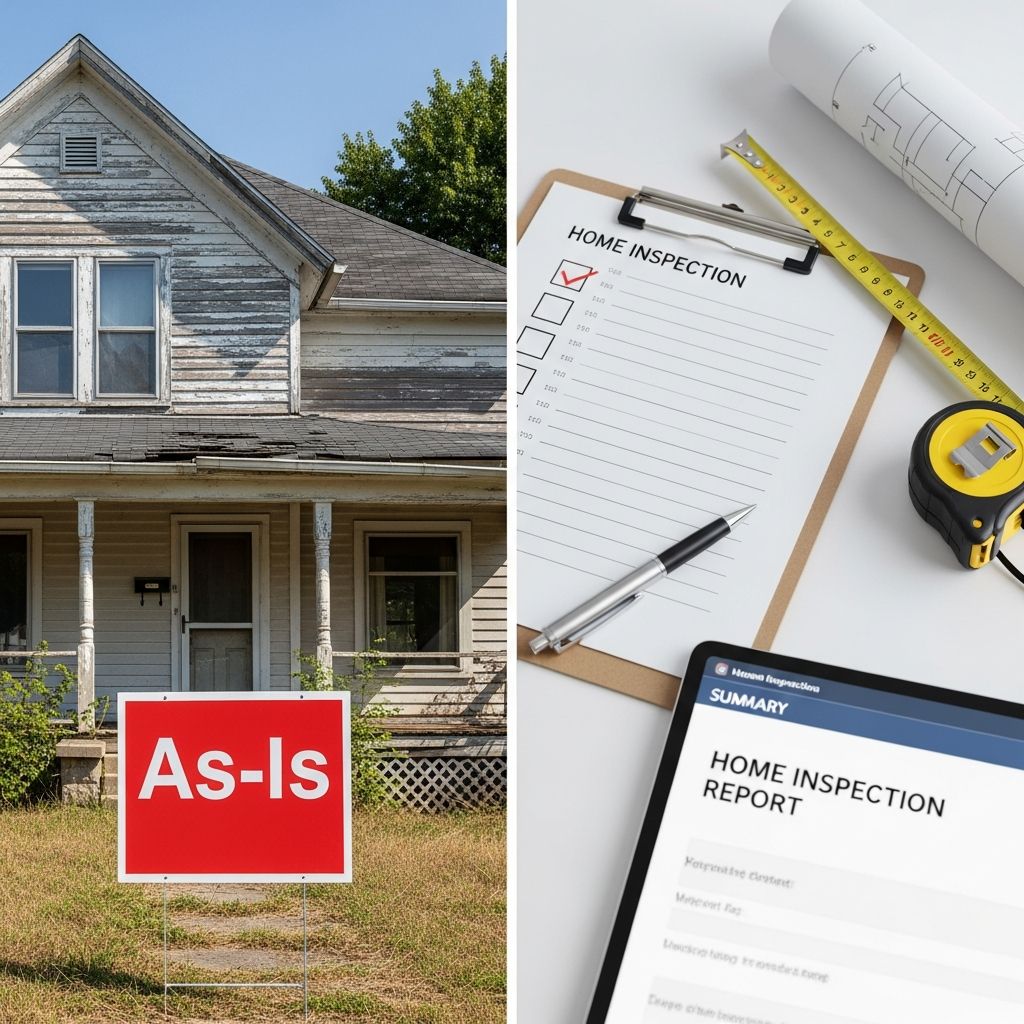
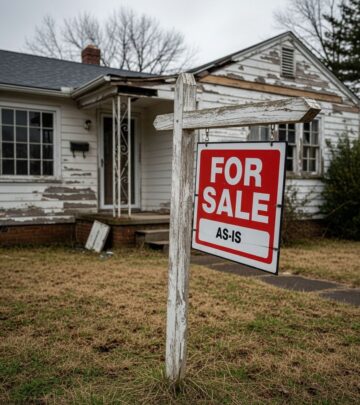
Acquiring a property sold as-is allows buyers to purchase real estate in its existing condition without expecting sellers to handle repairs or upgrades. This approach often leads to discounted prices but requires careful evaluation of potential issues.
Understanding As-Is Transactions
In real estate, an as-is designation means the seller transfers the property without commitments to fix defects, ranging from minor cosmetic flaws to significant structural problems. Buyers assume responsibility for any improvements post-purchase. Common issues covered include faulty roofs, outdated electrical systems, plumbing failures, pest infestations, and hazardous materials like mold or asbestos.
Despite the term, sellers must still disclose known material defects legally in most jurisdictions to avoid post-sale litigation. This creates a balance where buyers gain access to potentially undervalued homes while mitigating risks through due diligence.
Key Advantages for Buyers
Purchasing as-is properties presents several benefits, particularly for budget-conscious or renovation-savvy individuals.
- Reduced Purchase Cost: These homes typically sell at 5-15% below market value, as sellers price in anticipated repair expenses, leaving buyers with surplus funds for customizations.
- Decreased Competition: Traditional buyers often shy away, resulting in fewer bidding wars and stronger negotiating power.
- Desirable Locations: Fixer-uppers in prime neighborhoods become accessible at affordable rates.
- Expedited Process: Minimal repair negotiations can shorten closing timelines to 30-60 days.
- Renovation Freedom: Buyers tailor updates to personal tastes without seller interference.
Significant Risks and Challenges
While appealing, as-is purchases carry substantial downsides that demand thorough preparation.
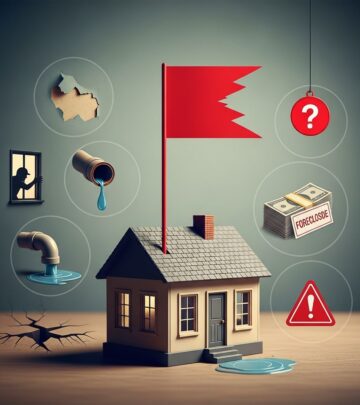
- Unexpected Repair Bills: Post-inspection discoveries like HVAC failures or foundation cracks can escalate costs dramatically.
- Health and Safety Concerns: Hazards such as lead paint, asbestos, mold, or termites pose immediate dangers and remediation expenses.
- Concealed Defects: Inspections uncover visible problems, but hidden issues may surface later.
- Limited Financing: Lenders may require extra scrutiny or cash purchases for distressed properties.
- Resale Difficulties: Unaddressed issues could hinder future sales.
How As-Is Differs from Standard Sales
| Aspect | Standard Sale | As-Is Sale |
|---|---|---|
| Seller Repairs | Typically negotiates fixes after inspection | No repairs or credits provided |
| Purchase Price | Market value | Discounted by 5-15% |
| Buyer Pool | Broad appeal | Investors, flippers, DIYers |
| Closing Speed | 45-60 days average | Often 30-60 days |
| Risk Level | Lower for buyer | Higher, buyer bears all |
This comparison highlights why as-is suits certain profiles but not others.
Critical Steps Before Committing
Success in as-is buying hinges on proactive measures.
Conduct Thorough Inspections
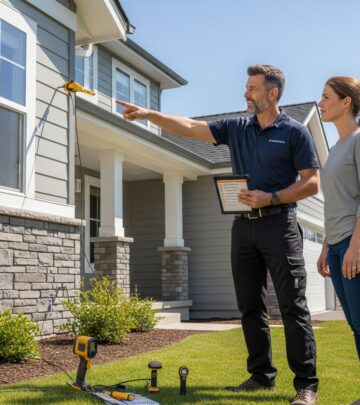
Hire certified inspectors for general, structural, pest, radon, and environmental assessments. Budget $500-$1,500 depending on property size.
Review Disclosures Fully
Scrutinize seller-provided documents for known issues like flood history or zoning restrictions.
Secure Contingency Clauses
Include inspection and financing contingencies in offers to exit without penalty if major problems arise.
Calculate Total Costs
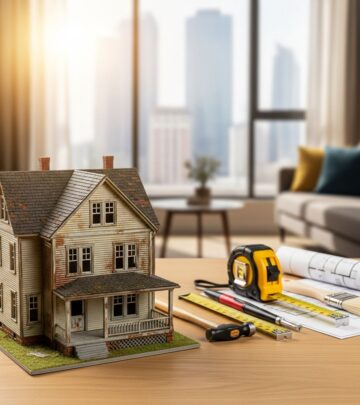
Factor in purchase price plus estimated repairs, holding costs, and carrying expenses using tools like repair calculators.
Explore Financing Options
Consider FHA 203(k) loans for renovation funding or investor cash deals.
Ideal Buyer Profiles
Not everyone thrives with as-is purchases.
- Experienced Investors: Flippers capitalize on discounts for profit.
- DIY Enthusiasts: Hands-on owners enjoy personalizing spaces.
- Budget Buyers: First-timers stretch dollars in hot markets.
- Avoid if: New to homeownership, risk-averse, or lacking repair funds.
Seller Perspectives on As-Is Listings
Understanding seller motivations aids buyer negotiations. Sellers opt for as-is to bypass repair costs, accelerate sales amid financial pressures, or avoid foreclosure. They save on staging and contractor fees but accept lower proceeds and narrower audiences. This dynamic often favors informed buyers.
Legal and Regional Variations
Regulations differ by state. For instance, some mandate specific disclosures for environmental hazards. Consult local real estate attorneys to navigate nuances. Federally, truth-in-lending rules apply to financing regardless of condition.
Financial Planning for As-Is Purchases
Budget comprehensively:
- Inspection fees: $400-$800
- Repair reserves: 10-20% of price
- Closing costs: 2-5% of price
- Unexpected overruns: Add 20% buffer
Example: A $300,000 as-is home might total $375,000+ with fixes.
Real-World Case Studies
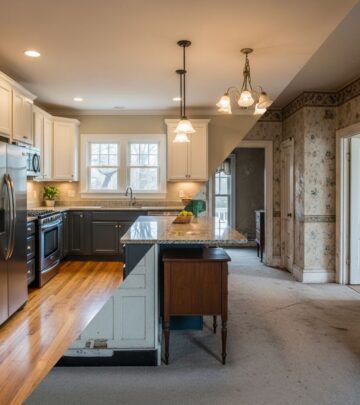
Buyer A snagged a $250,000 as-is colonial, invested $50,000 in updates, and resold for $400,000 profit. Conversely, Buyer B overlooked mold, facing $80,000 remediation. These illustrate due diligence’s impact.
Frequently Asked Questions
What exactly does ‘as-is’ cover?
It encompasses the property’s current state, excluding seller fixes for defects like roofs, systems, or structures.
Can I back out after inspection?
Yes, with an inspection contingency.
Are as-is homes always distressed?
No, motivated sellers list pristine homes as-is to simplify transactions.
How to finance renovations?
FHA 203(k), home equity, or cash work best.
Does as-is mean no warranties?
Typically, but check contracts; some states require minimal coverage.
Market Trends in As-Is Sales
In competitive markets, as-is listings surge among time-pressed sellers. Investor demand sustains values, but rising interest rates amplify repair financing challenges. Buyers should monitor local inventories.
References
- How Much Do You Lose Selling a House As Is? 5-15% Explained — Spyglass Realty. 2023. https://www.spyglassrealty.com/blog/how-much-do-you-lose-selling-house-as-is.html
- Buying a House As-Is? Pros and Cons to Consider — Redfin. 2024-02-15. https://www.redfin.com/blog/should-you-buy-a-house-as-is/
- The Pros and Cons of Buying a House As-Is — Homes.com. 2023. https://www.homes.com/learn/as-is-home-sale/
- Selling a House As Is: Pros, Cons, and How to Get a Fair Price — HomeLight. 2024. https://www.homelight.com/blog/selling-a-house-as-is/
- Selling a House As Is: Pros and Cons — PennyMac. 2023-11-01. https://www.pennymac.com/blog/how-much-do-you-lose-selling-a-house-as-is
- Buying a House “As Is”: What You Should Know — Chase. 2025. https://www.chase.com/personal/mortgage/education/finding-a-home/buying-a-house-as-is
Similar Articles








Read full bio of medha deb