Buying Abandoned Homes: Expert Guide To Profitable Flips
Discover proven strategies to find, finance, and renovate abandoned properties for maximum investment returns in today's market.
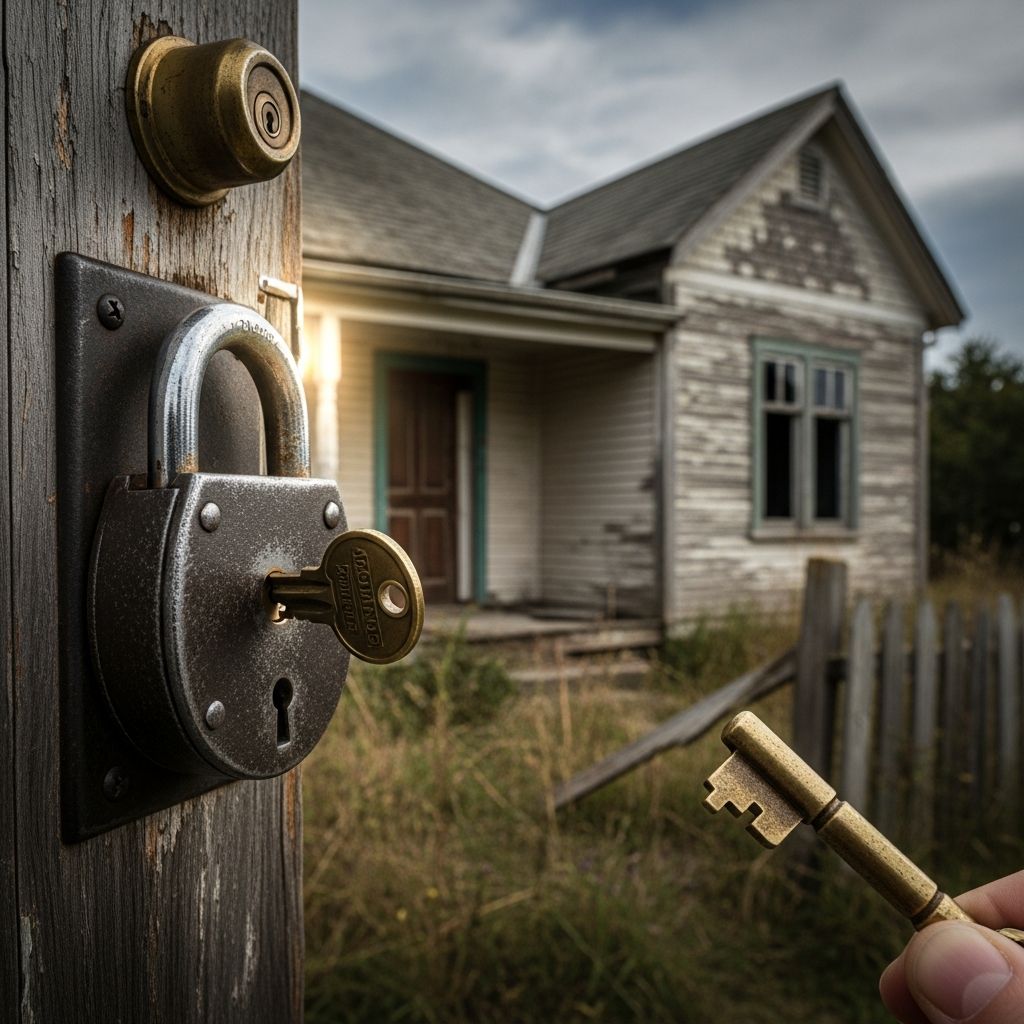
Acquiring abandoned homes presents a compelling avenue for real estate investors seeking substantial discounts, often 30-50% below market value, but demands meticulous planning to manage hidden costs and risks. These properties, typically vacant for over a year, can yield high returns through renovation and resale or rental, provided buyers address structural issues, liens, and financing challenges upfront.
Recognizing Opportunities in Neglected Neighborhoods
Spotting potential targets begins with targeted exploration. Drive through aging or transitional areas, noting signs like overgrown vegetation, shattered windows, piled-up debris, and unsecured entry points, which signal prolonged vacancy. Document these observations with photographs and addresses for further investigation.
Public records serve as a goldmine for verification. County assessor offices maintain databases revealing ownership details, tax delinquencies, and foreclosure statuses, often indicating motivated sellers or institutional owners. Probate records highlight inherited homes where heirs seek quick sales, with data showing about 35% of such properties change hands within the first year. Local code enforcement lists further pinpoint blighted structures flagged for violations.
- Drive-by scouting: Ideal for unlisted gems in familiar locales.
- Online platforms: Auction sites and foreclosure aggregators list distressed sales.
- Professional networks: Agents specializing in foreclosures access off-market deals.
Navigating Ownership and Legal Pathways
Once identified, confirm legal ownership via county records or recorder offices, which disclose if banks, heirs, or governments hold title. Direct outreach to owners may yield private sales, especially if they’ve relocated but retain equity.
Purchase routes vary: tax lien auctions for delinquent properties, foreclosure sales through banks, or REO (real estate owned) listings from institutions. Government-seized homes via eminent domain or tax sales offer additional channels, though competition at auctions requires cash readiness and swift decision-making.
Adverse possession remains a lengthy alternative, involving property maintenance for state-specific periods (often 5-20 years), suitable only for patient claimants with legal support. Always engage attorneys versed in distressed transactions to sidestep title disputes or undisclosed claims.
Assessing Condition and Hidden Expenses
Superficial appeal deceives; thorough evaluations prevent budget overruns. Exterior surveys reveal roof decay, foundation cracks, or siding failures, but interior access demands professional inspections costing $400-$800. These uncover plumbing failures, electrical hazards, mold proliferation, or hazardous materials like asbestos.
Budget comprehensively: back taxes, municipal liens, utility reconnections, and remediation can eclipse acquisition costs. RealtyTrac data indicates offers succeed at 50-70% of after-repair value (ARV), e.g., $90,000-$126,000 for a $180,000 renovated home.
| Cost Category | Typical Range | Key Considerations |
|---|---|---|
| Inspection Fees | $400-$800 | Structural, mechanical, environmental |
| Renovation Estimates | 30-50% of ARV | Contractor bids mandatory |
| Liens & Taxes | Varies widely | Title search essential |
| Closing & Legal | 2-5% of price | Include contingencies |
Securing Financing for High-Risk Purchases
Conventional loans shy from derelict homes; alternatives prevail. Cash reigns supreme for auctions, but hard money lenders provide short-term bridges at higher rates (10-15%), repaid post-flip. FHA 203(k) loans suit owner-occupiers, funding rehab with low down payments if residing two years per IRS rules.
Private investors or seller financing work for free-and-clear titles. Pre-approval clarifies budgets; maintain 20% reserves beyond estimates for surprises. Wholesale assignments—contracting then flipping deals—minimize capital outlay, netting $5,000-$15,000 fees.
Mastering Negotiations and Offer Strategies
Craft offers grounded in ARV comps, repair quotes, and profit targets. Submit with documentation to demonstrate seriousness, negotiating liens, closing timelines, and contingencies for inspections/financing. Lowball effectively by highlighting repair burdens, aiming below market to cover fixes.
Key terms: seller-paid title insurance, lien clearances, extended due diligence. Professional presentations boost acceptance rates on distressed assets.
Renovation Realities and Project Execution
Post-purchase, prioritize safety: secure structures, eradicate hazards, update systems. Obtain firm contractor bids; phase work to control cash flow. Track progress against budgets, adapting for discoveries like rot or wiring overhauls.
Local permits and zoning compliance are non-negotiable; violations accrue fines. Successful flips emphasize curb appeal, modern kitchens/baths, and energy efficiency to maximize resale.
Exit Strategies for Profit Maximization
Define endpoints pre-purchase: quick flips via wholesaling, long-term rentals, or personal use. Primary residence flips dodge capital gains if occupied two years. Market timing influences: sell in uptrends or hold for appreciation.
- Flip: Renovate and list for 20-30% ROI.
- Rental: Generate cash flow post-rehab.
- Hold: Await value growth in revitalizing areas.
Traits of Top-Tier Investors
Victors inspect rigorously, title-search meticulously, and finance securely before hunting. They analyze markets for precise ARVs, adhere to max budgets, and cultivate pro teams: attorneys, agents, inspectors, lenders.
Commence modestly—one property—to hone skills, then scale. Cash buffers and defined exits safeguard against pitfalls.
Frequently Asked Questions
What defines an abandoned property?
Typically, unoccupied for 12+ months with visible neglect, often tied to tax issues or foreclosures.
Are abandoned homes always cheap?
Purchase prices discount heavily, but factor 2-3x in repairs/liens for true cost.
Can first-time buyers pursue these?
Yes, via FHA 203(k) for live-in rehabs, but experience mitigates risks.
How to avoid scams or title problems?
Attorney-reviewed title insurance and public record verification are crucial.
What’s the average ROI?
20-50% possible on flips, per investor data, contingent on execution.
References
- How to Buy Abandoned Properties in 2026: 8 Essential Steps Every Investor Should Know — Amerisave. 2026. https://www.amerisave.com/learn/how-to-buy-abandoned-properties-in-essential-steps-every-investor-should-know
- How to Buy an Abandoned House — Redfin. 2023. https://www.redfin.com/blog/how-to-buy-an-abandoned-house/
- How Can I Buy an Abandoned, Derelict House? — Nolo. 2023. https://www.nolo.com/legal-encyclopedia/how-can-i-buy-an-abandoned-derelict-house.html
- Abandoned Property for Sale: How To Buy an Abandoned Home — Realtor.com. 2023. https://www.realtor.com/advice/buy/find-buy-abandoned-properties/
- What to Know When Buying an Abandoned Property — Chase. 2023. https://www.chase.com/personal/mortgage/education/buying-a-home/abandoned-property
Similar Articles








Read full bio of medha deb