Buying A Car With Cash: 7-Step Guide To Save Money
Discover the complete process, benefits, and smart strategies for purchasing your next vehicle outright without loans or financing.
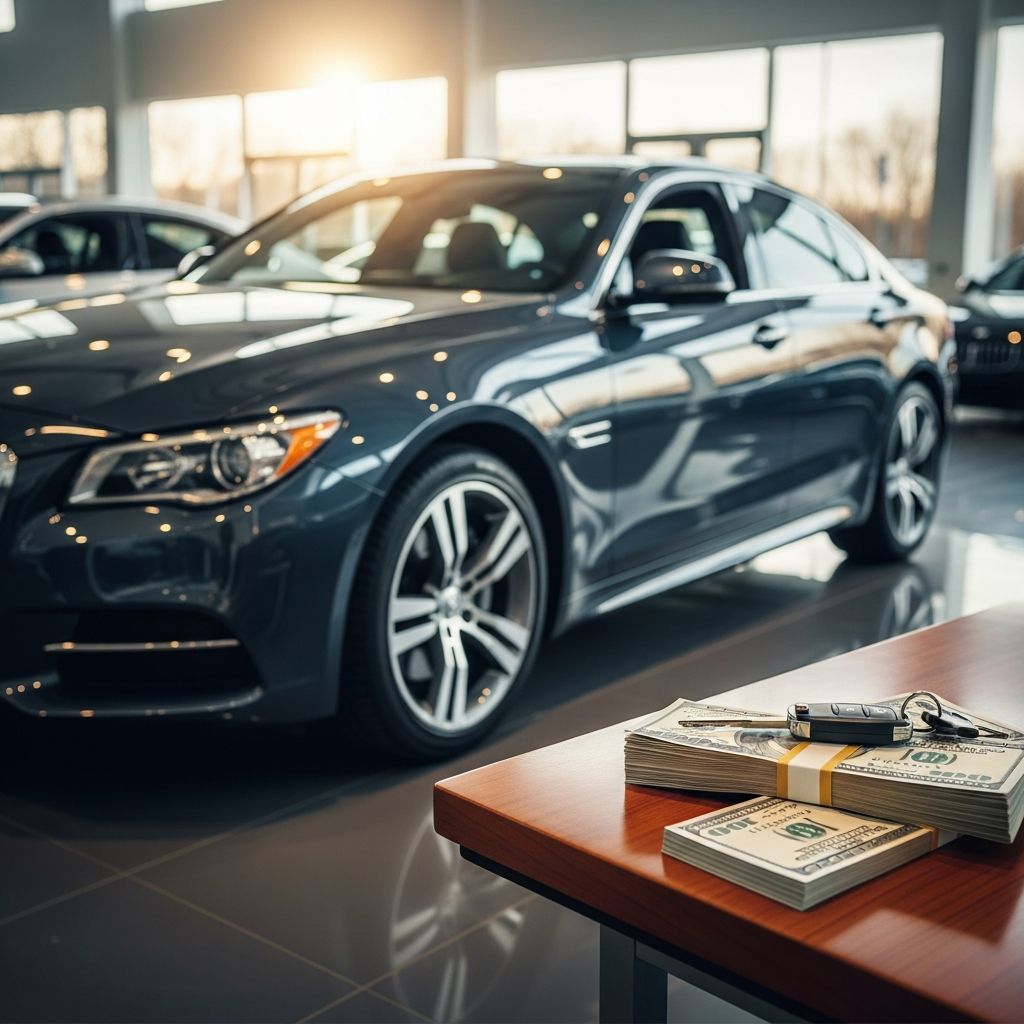
Paying cash for a car means covering the entire purchase price upfront without financing, typically via secure methods like cashier’s checks or wire transfers rather than physical currency. This approach offers ownership freedom but requires careful planning to ensure value and security.
Understanding Cash Purchases for Vehicles
A cash car buy eliminates debt and interest, positioning you as the immediate legal owner upon payment. Dealerships universally accept verified bank instruments such as cashier’s checks, certified checks, personal checks (with limits), or electronic wire transfers for transactions. For deals exceeding $10,000, federal rules mandate ID verification and IRS reporting via Form 8300 to prevent money laundering.
While ‘cash’ implies full upfront payment, physical bills are impractical and risky for sums over a few thousand dollars due to theft concerns and dealer policies. Instead, banks issue guaranteed checks drawn from their funds after your deposit, clearing quickly and securely.
Key Advantages of Paying Cash
- Zero Interest Costs: Avoid thousands in loan interest; for a $30,000 car at 6% APR over 60 months, interest alone exceeds $4,000.
- Immediate Ownership: No liens or repossession risks; the title transfers directly to you.
- Stronger Negotiating Leverage: Sellers favor cash offers for their certainty and speed, often yielding price reductions of 5-10% on used vehicles.
- Simplified Budgeting: No ongoing payments preserve monthly cash flow and support a low debt-to-income ratio for future borrowing.
- Potential Dealer Incentives: Some offer cash buyer discounts, though less common for new cars where financing profits dominate.
Potential Drawbacks to Consider
- Large Upfront Capital Tie-Up: Funds locked in a depreciating asset reduce liquidity for emergencies or investments.
- Missed Rewards Opportunities: Forgo credit card cashback or auto loan sign-up bonuses that could offset costs.
- No Return Flexibility: Unlike leases or some financed deals, cash buys rarely allow easy returns if issues arise post-purchase.
- Dealer Resistance: Sales teams earn commissions on financing, so cash buyers may face subtle pressure or less enthusiasm.
Financial Planning for a Cash Purchase
Determine affordability by assessing your savings, emergency fund (ideally 3-6 months’ expenses), and opportunity costs. Use the 20% rule: allocate no more than 20% of annual income to the vehicle price. Factor in total out-the-door costs: MSRP plus taxes (5-10%), title/registration ($100-500), dealer fees ($200-1,000), and insurance.
| Cost Component | Average Amount | Example for $25,000 Car |
|---|---|---|
| Vehicle Price | Base MSRP | $25,000 |
| Sales Tax (7% avg) | Variable by state | $1,750 |
| Dealer/Processing Fees | $300-800 | $500 |
| Title/Registration | $150-400 | $300 |
| Total Out-the-Door | – | $27,550 |
Build savings via high-yield accounts or automated transfers. Tools like budget apps track progress toward your target.
Step-by-Step Process to Acquire Your Car
- Research Market Values: Use sites like Kelley Blue Book or Edmunds for fair pricing on new/used models. Compare local listings to identify deals within budget.
- Shop Strategically: Browse online inventories or visit dealerships/private sellers. Test drive multiple options, prioritizing reliability ratings and fuel efficiency.
- Inspect Thoroughly: For used cars, get a pre-purchase inspection from a trusted mechanic ($100-200). Review vehicle history via VIN checks.
- Negotiate Aggressively: Start below asking price, citing comparables. Reveal cash status late to maximize leverage.
- Prepare Secure Payment: Obtain cashier’s check for the exact final amount. Confirm dealer acceptance policies in advance.
- Finalize Paperwork: Sign bill of sale, transfer title, and handle DMV registration. Secure insurance proof before driving.
- Drive Away: Verify all documents and accessories included.
Secure Payment Methods Explained
Avoid physical cash beyond minor amounts. Preferred options include:
- Cashier’s Check: Bank-issued, guaranteed funds. Deposit full amount; bank prints check to dealer. Clears next day.
- Wire Transfer: Electronic bank-to-bank move. Instant for domestic; fees $25-50. Ideal for private sales.
- Certified Check: Similar to cashier’s but verified against your account.
- Escrow for Private Sales: Third-party holds funds until title clears. Protects both parties.
Pro tip: For dealerships, negotiate first, then get the check to avoid excess funds issues.
Negotiation Strategies for Cash Buyers
Cash enhances bargaining power, especially for used cars where margins are higher. Focus on out-the-door price, not monthly payments. Tactics:
- Research invoice price for new cars (dealer cost + holdback).
- Present competitor quotes.
- Be willing to walk away.
- Time visits at month-end when quotas pressure sales.
Cash buyers often secure better deals than financed ones, as sellers prioritize quick, sure sales over loan kickbacks.
Legal and Tax Considerations
Over $10,000 triggers IRS Form 8300 filing by the seller, requiring your ID (driver’s license, SSN). This is routine reporting, not an audit trigger. State sales tax applies regardless of payment method; some offer exemptions for trade-ins. Register within 30 days typically, with fees varying.
Private sales require notarized bill of sale and smog/emissions checks in certain states.
Insurance and Post-Purchase Essentials
Legally, insure before driving. Many policies auto-extend coverage to new vehicles for 14-30 days; confirm yours. Shop quotes for full coverage, as cash buyers often qualify for better rates without loan requirements.
Frequently Asked Questions
Can dealerships refuse cash payments?
No, but they may push financing. Insist on your preferred method; all must accept verified funds.
Is a personal check safe for large amounts?
Rarely; most cap at $5,000-10,000 and require verification. Opt for cashier’s instead.
Should I finance then pay off immediately?
Possible for negotiation edge, but check for prepayment penalties. Minimal interest accrues in 7-10 days.
Does cash get better deals on new vs. used cars?
More impact on used, where dealers have higher margins. New car discounts are slimmer.
What if buying from a private seller?
Use escrow, meet at bank/DMV, and transfer title safely. Cashier’s checks or wires recommended.
Final Tips for Success
Patience yields the best outcomes. Pre-approve your budget, arm with data, and prioritize total cost. Cash buying empowers debt-free ownership while potentially saving significantly.
References
- How to Buy a Car with Cash: Everything You Need to Know — Car and Driver. 2020-10-15. https://www.caranddriver.com/auto-loans/a31993240/how-to-buy-a-car-with-cash/
- Buying a Car With Cash — Edmunds. 2023-05-12. https://www.edmunds.com/car-buying/buying-a-car-with-cash.html
- How To Buy A Car With Cash: A Complete Guide — Rocket Money. 2024-08-20. https://www.rocketmoney.com/learn/loans/how-to-buy-a-car-with-cash
- Buying a Car With Cash: Everything You Need To Know in 2026 — Autotrader. 2026-01-10. https://www.autotrader.com/car-shopping/buying-a-car-should-you-pay-with-cash-if-you-can-227481
- HOW TO PAY CASH @ CAR DEALERSHIPS in 2025 — YouTube (The Homework Guy). 2025-03-05. https://www.youtube.com/watch?v=fwNfgwiTw4M
- How to Buy a Car When Paying Cash — Autolist. 2024-11-18. https://www.autolist.com/guides/how-to-negotiate-car-price-paying-cash
Similar Articles








Read full bio of Sneha Tete