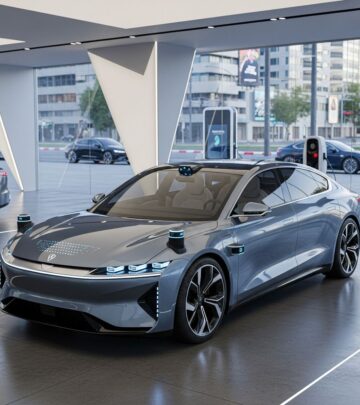
It’s Finally a Buyer’s Market for New Cars
New car prices are falling and buyers finally have negotiating power again.
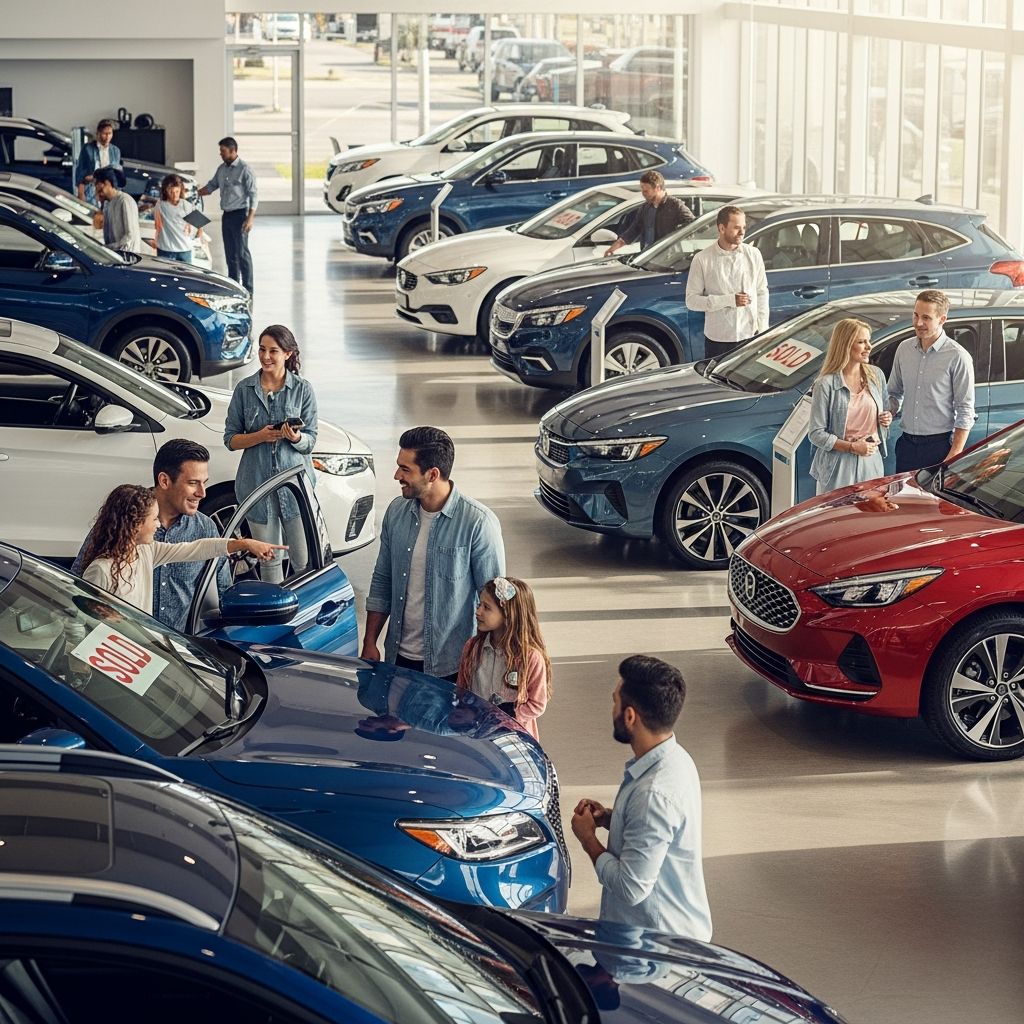
For the first time in several years, new car buyers have regained the upper hand in negotiations. After an extended period where vehicle prices climbed steadily and buyers often paid above manufacturer suggested retail price (MSRP), the automotive market has fundamentally shifted. New car prices are falling for the first time, marking a dramatic reversal from the seller-dominated market that characterized the previous years. This transformation represents one of the most significant changes in the automotive industry, offering consumers genuine opportunities to negotiate and save thousands of dollars on their next vehicle purchase.
The Historic Price Decline
According to recent data from Kelley Blue Book, the automotive market has experienced its largest yearly price decline on record. New car prices have dropped 2.4% over the last 12 months, a stunning reversal of the consistent year-over-year increases that buyers endured for years. The average price of a new vehicle reached $48,759 in December, declining from $49,939 at the end of the previous year. This represents genuine relief for consumers who have watched vehicle prices climb dramatically since the pandemic began.
Brian Moody, executive editor at Kelley Blue Book, suggests that there is substantial potential for U.S. car prices to fall even further as vehicle inventory continues to bounce back. When manufacturers have excess inventory, they are forced to reduce their profit margins, creating downward pressure on prices across the board. This inventory rebound has already transformed the negotiating landscape, allowing buyers to secure discounts again after years of paying premium prices or even amounts exceeding the sticker price.
It’s important to understand the context of these price changes. While new car prices are indeed declining, the average new vehicle still costs nearly $10,000 more than it did in December 2019. However, when accounting for inflation over that same period, the situation appears less dramatic. One significant factor influencing overall price averages is the shift in the automotive market toward luxury vehicles. Luxury cars now represent approximately 20% of the market, compared to just 10-12% before the pandemic. This compositional change has inflated the overall average price figures.
Affordability Across Different Market Segments
For consumers looking at non-luxury brands, the pricing picture becomes considerably more attractive. The average price for a non-luxury brand vehicle now stands at $45,283, which provides a more accessible entry point into new car ownership. Several mainstream manufacturers have seen particularly impressive price declines over the past year:
- Nissan prices down 4.7%
- Subaru prices down 4.1%
- Ford prices down 2.5%
These declining prices on mainstream vehicles represent real savings opportunities for budget-conscious consumers. As Brian Moody notes, the market is definitively shifting away from being a seller’s market. While today’s prices may not yet feel inexpensive to someone who hasn’t shopped for a car recently, the trajectory is unmistakably positive, with increased incentives continuing to sweeten deals for buyers.
Deals on New Cars Are Roaring Back
One of the most tangible indicators of the buyer-friendly market is the return of substantial incentives and discounts. The average discount on a new vehicle has surpassed $1,000 for the first time since April 2021, according to recent Edmunds data. This represents the difference between the average sale price and the average sticker price, reflecting genuine savings that buyers can realize.
The average incentive package, which typically includes cash rebates or special financing offers, has increased dramatically to 5.5% of the transaction price in December. This compares to just 2.7% a year earlier, representing more than a doubling of incentive packages available to consumers. These incentives represent real money that buyers can use to reduce their out-of-pocket costs or finance new vehicles on more favorable terms.
The magnitude of potential discounts varies significantly depending on the specific vehicle category. Certain vehicle types, such as full-size SUVs, minivans, and pickup trucks, remain highly popular and therefore subject to more limited discounting. However, buyers willing to explore less mainstream options can potentially negotiate several thousand dollars off the MSRP.
Electric Vehicles: The Biggest Discount Winners
Among all vehicle categories, electric vehicles (EVs) are experiencing the most dramatic price reductions and incentive offerings. This surge in EV incentives stems from what the industry terms an “inventory glut,” where manufacturers have produced more electric vehicles than current demand can absorb. For EVs, average incentives have soared to above 10% of the transaction price, compared to less than 2% just one year ago.
Tesla has led the charge in price reductions, with prices declining an impressive 25.1% over the past year—the largest price decrease of any manufacturer. These aggressive price cuts have forced other manufacturers to respond competitively, placing significant downward pressure on the broader EV market. Additionally, brands like Hyundai that lost EV tax credit eligibility on January 1st face new competitive pressures, requiring them to offer substantial incentives to attract buyers.
Hyundai’s recent announcement exemplifies the aggressive discounting in the EV market. The company is offering up to $7,500 in bonus cash on certain electric vehicle models, such as the Ioniq 5 SUV. This incentive effectively reduces the starting price from $41,650 to $34,150, making premium electric vehicles far more accessible to mainstream consumers. Overall, EV prices have declined nearly 18% over the past year, with the average EV now priced at $50,798. This brings electric vehicle costs much closer in line with the average price of all new cars, making the EV transition far more economically viable for average consumers.
Financing Challenges in a Buyer’s Market
Despite the improving situation for car buyers in terms of price and incentives, financing conditions remain challenging. The average auto loan rate stood at approximately 7.4% during the fourth quarter of 2023, which is roughly 2 percentage points higher than the average rates at the end of 2019. This elevated interest rate environment significantly impacts the true cost of vehicle ownership.
To illustrate the impact of current interest rates, consider a buyer financing $25,000 over 60 months at current rates. This borrower should expect to pay approximately $5,000 in interest over the life of the loan alone. This substantial interest burden means that while vehicle prices are falling and incentives are increasing, the total cost of ownership through financing remains elevated compared to historical averages.
For buyers who have the financial capacity to pay cash or make a substantial down payment, the current market presents a tremendous advantage. By minimizing the amount financed, buyers can sidestep the high interest rate environment and capture maximum savings on the actual vehicle purchase price. This is particularly important in a market where financing costs can easily add tens of thousands of dollars to the total price paid.
Inventory Abundance Creates Buyer Opportunity
A critical factor supporting the buyer-friendly market is the dramatic improvement in vehicle inventory levels. The inventory of new vehicles in the United States has climbed to approximately 2.7 million units, representing more than a 50% increase from just one year prior. This inventory abundance creates significant leverage for buyers in today’s market.
With this substantial inventory on hand, car shoppers have numerous options and considerable negotiating power. Whether buyers are seeking discounts on their preferred vehicles or hoping to secure attractive manufacturer incentives—whether rebates or subsidized financing—the abundance of available vehicles means dealers are motivated to make competitive offers. For buyers in the market for a new car today, this represents one of the most favorable purchasing environments in recent memory.
Strategic Shopping Recommendations
Given the current favorable market conditions, consumers considering a new car purchase should approach their shopping strategically. Several key tactics can help maximize savings:
- Flexibility is valuable: Buyers willing to consider different models, colors, or trim levels often find better deals than those with rigid specifications.
- Compare across dealerships: With abundant inventory, prices and incentives can vary between dealerships. Shopping around can yield significant additional savings.
- Consider electric vehicles: While EVs remain pricey, the incentives available on these vehicles are currently unmatched, making them potentially competitive with traditional vehicles.
- Explore non-luxury options: Mainstream brands are experiencing more aggressive price cuts than luxury segments, offering better value propositions.
- Time your purchase strategically: Year-end vehicle sales often feature increased discounts as dealerships clear inventory for new model year arrivals.
Market Outlook and Future Trends
The transformation from a seller’s market to a buyer’s market represents a fundamental shift in the automotive industry dynamics. After years of supply constraints that gave manufacturers and dealers the upper hand, the normalization of inventory levels has restored balance to the marketplace. As inventory continues to improve and manufacturers seek to maintain sales volumes, the expectation is for continued downward pressure on prices and upward movement in incentive packages.
For consumers who have delayed vehicle purchases waiting for better conditions, the current market represents an opportune moment. The combination of falling prices, substantial incentives, and abundant selection creates conditions that are unlikely to persist indefinitely as the market finds equilibrium. Buyers considering a new vehicle purchase should take advantage of these current favorable conditions.
Frequently Asked Questions
Q: How much can I negotiate off a new car’s MSRP in today’s market?
A: The average discount has surpassed $1,000 for the first time since April 2021, though the amount varies by vehicle type. Full-size SUVs, minivans, and pickup trucks typically offer less negotiating room, while other vehicle categories may allow discounts of several thousand dollars.
Q: Are electric vehicles truly cheaper now?
A: Yes, EV prices are down nearly 18% in the past year and now average $50,798. With average incentives exceeding 10%, some electric vehicles have become particularly affordable. For example, Hyundai’s Ioniq 5 SUV can be reduced from $41,650 to $34,150 with current incentives.
Q: What is the average new car price currently?
A: The average price of a new vehicle is $48,759 for standard cars, with non-luxury brand vehicles averaging $45,283, representing significant declines from the previous year.
Q: Should I finance or pay cash for a new car?
A: With auto loan rates around 7.4%, paying cash or making a substantial down payment provides significant advantages. A $25,000 financed over 60 months results in approximately $5,000 in interest charges.
Q: Is there enough inventory to negotiate on the vehicle I want?
A: Yes, with 2.7 million new vehicles in inventory—up 50% from a year ago—there is substantial selection available. However, popular vehicles like full-size SUVs and pickup trucks may have less negotiating flexibility.
References
- It’s Finally a Buyer’s Market for New Cars — Money Group, LLC. 2024-01-15. https://money.com/new-cars-buyers-market/
- New Car Prices Are Finally Coming Down From Record Highs — Money Group, LLC. 2023-10-20. https://money.com/new-car-prices-dropping-cheaper/
- Cars Are More Affordable Now. That’s Not Entirely a Good Thing — Money Group, LLC. 2024-09-30. https://money.com/lower-car-costs-downside/
- Kelley Blue Book Vehicle Pricing Report — Cox Automotive. 2023-12-31. https://www.kbb.com/
- Edmunds Auto Pricing Report — Edmunds. 2023-12-31. https://www.edmunds.com/
- J.D. Power Automotive Market Trends — J.D. Power. 2024-01-15. https://www.jdpower.com/
Similar Articles








Read full bio of Sneha Tete