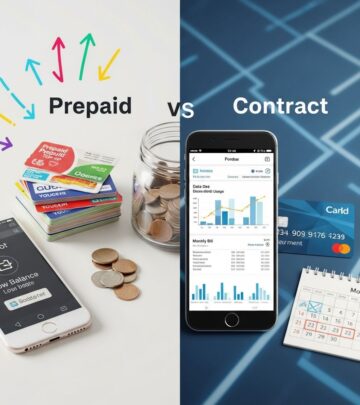
Should I Buy or Finance My Next Cell Phone?
Explore the pros and cons of purchasing versus financing your next smartphone.
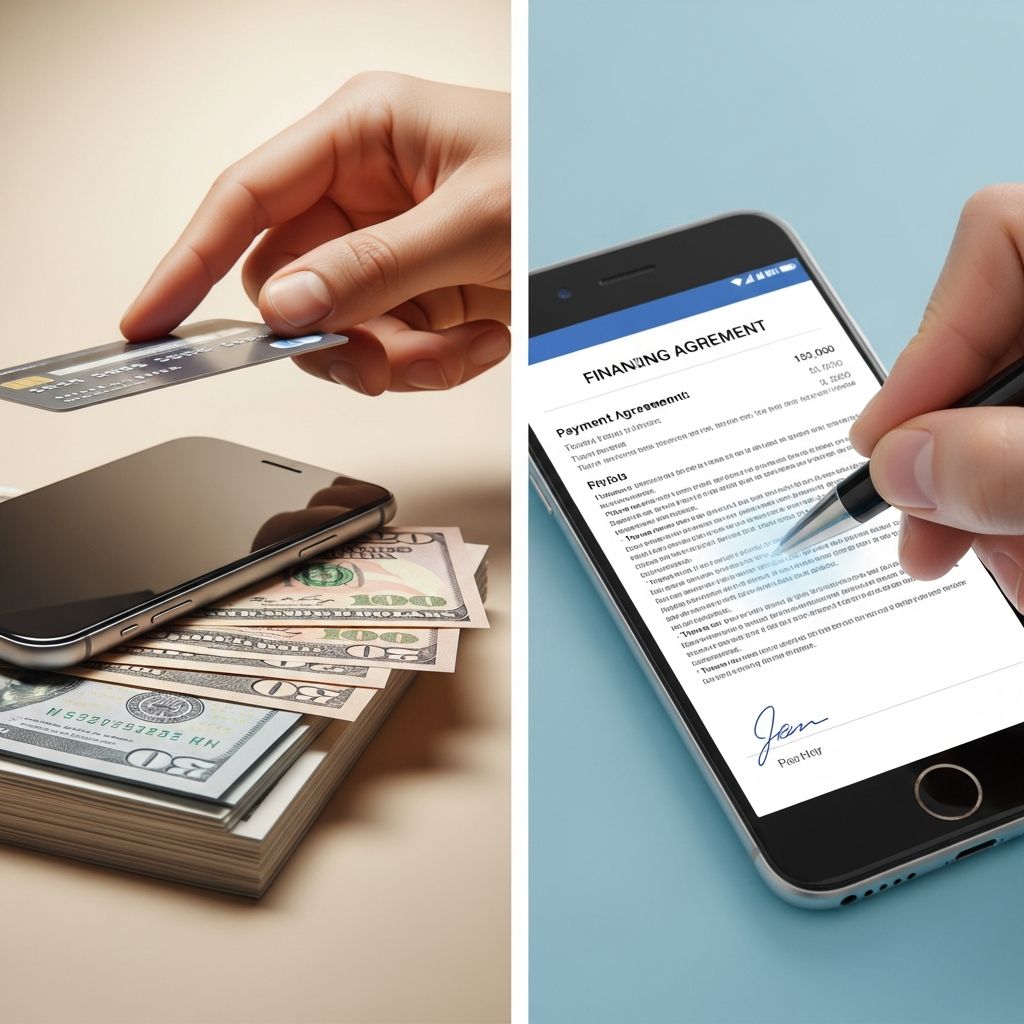
Making a decision about how to pay for a new cell phone is one of many financial choices young adults face today. When upgrading to a new device, you have two primary options: paying the full cost upfront or spreading the expense across monthly installment payments. Each approach has distinct advantages and drawbacks that deserve careful consideration before you commit.
The smartphone market offers various financing solutions, with carriers and retailers using different terminology such as lease-to-own programs, equipment installment plans, and device payment programs. Regardless of the name, the fundamental concept remains the same: you can either make a single lump-sum payment for your phone or commit to monthly payments over a specified period until the device is fully paid off.
Understanding Your Payment Options
Consider a practical example: purchasing a 128-gigabyte iPhone 16 through Verizon. You could pay $829.99 as a one-time charge, or you could agree to $23.05 monthly payments for 36 months. After completing those 36 months of payments, the phone becomes yours outright, and you regain the freedom to unlock it and use it with any carrier.
This breakdown of substantial costs into smaller, manageable portions appeals to many consumers. Boost Mobile proudly advertises this benefit: “Your phone is now paid off, and you’re free to unlock it. No more device charges for this phone on your bill!” The psychological appeal of spreading costs is undeniable, but understanding the financial implications is crucial.
The Case for Financing Your Phone
Preserving Your Cash Flow
According to financial advisor Christa O’Brien from Northwestern Mutual, financing a phone offers significant advantages for cash flow management. “Financing a phone spreads the cost over time,” she explains. “This option helps preserve cash flow, allowing you to save or invest elsewhere while still being able to afford a new phone.” For individuals living paycheck to paycheck or those prioritizing emergency savings, this flexibility can be invaluable.
The Danger of Temptation
However, this convenience comes with a psychological cost. When T-Mobile divides the Samsung Galaxy Z Flip6’s cost across 24 months, the monthly payment becomes only $45.84—far less intimidating than the full $1,099.99 price tag. This psychological trick makes it easier to justify upgrading to a more expensive model than you might purchase if forced to pay upfront. O’Brien warns: “The ease of financing at first might tempt you to choose a more expensive model than if you were to buy it upfront in full. From there, it’s a slippery slope because long-term monthly payments can burden my budget.”
Critical Factors to Consider When Financing
Interest Rates and Additional Fees
Many modern phone installment plans feature 0% APR, meaning they don’t accrue interest over time. However, this isn’t universal—you must verify the interest rate before signing any contract. Some plans may include hidden financing fees or other charges that increase the total cost beyond the advertised price.
Carrier Lock-in Periods
Another critical consideration involves carrier flexibility. Some financing agreements lock you into staying with that specific carrier until your phone is completely paid off. This restriction can significantly limit your options if you want to switch carriers for better service, pricing, or coverage in your area. Before committing to a financing plan, clarify whether such restrictions apply.
The Case for Buying Your Phone Upfront
Avoiding Interest and Fees
O’Brien advocates for the lump-sum approach for several compelling reasons. “For these reasons and others, O’Brien says it can be smart to take the lump sum route. Not only do I avoid paying interest or additional financing fees, but also many retailers offer discounts or promotions for upfront purchases.” By paying in full, you eliminate the risk of accumulating interest or unexpected fees throughout the payment period.
Accessing Exclusive Discounts
Retailers frequently offer special promotions and discounts exclusively for customers who pay upfront. These incentives can range from modest percentage discounts to substantial dollar amounts off the purchase price. Shopping around and comparing these offers across different retailers can result in meaningful savings.
The Budget Strain Reality
The primary challenge with upfront purchases is obvious: requiring a large payment all at once. This substantial expense can strain your monthly budget or deplete emergency savings that should remain untouched. Additionally, phones depreciate rapidly in value, which means “the initial expense may feel less justified over time” as newer models emerge and technology advances.
A Strategic Approach to Phone Purchasing
Rather than viewing this as a simple binary choice, consider a comprehensive strategy that addresses multiple factors:
Step One: Assess Your Equipment Needs
Luis Silva, AT&T’s vice president and general manager for Florida, emphasizes the importance of initial research. Start by determining what equipment you actually need. Do you prefer an Android or Apple device? Which specific features matter most to you—AI capabilities, camera quality, storage capacity, or processing power? Taking time to understand your genuine needs prevents unnecessary upgrades and keeps costs reasonable.
Step Two: Explore Trade-in Credits
Your current phone likely has residual value. Depending on its model and condition, you might receive a bill credit as high as $1,300 when trading in your existing device. This substantial credit significantly reduces the net cost of your upgrade, making either purchasing option more affordable.
Step Three: Investigate Additional Discounts
Beyond the basic phone price, several other discounts may apply. Silva recommends checking whether you qualify for special deals, particularly if you work in education, healthcare, or the military. These professional groups often receive exclusive discounts on devices and monthly service plans.
Step Four: Calculate Total Monthly Costs
Don’t focus solely on the phone cost. Research other monthly fees, including those for various data speeds and device protection insurance. These recurring expenses often exceed the phone itself over the contract period, so understanding the complete financial picture is essential.
Negotiation Tips
When visiting a phone retailer, Silva suggests a specific approach: “The first thing I would say [at the store] is, ‘Let me know what phones you have … what are the monthly fees, [and] how much are you going to take my trade-in for. Then I would ask, ‘What additional discounts do you have?'” This systematic approach ensures you gather all necessary information before making your decision.
Frequently Asked Questions
Q: Do all phone financing plans have 0% APR?
A: No. While many modern plans feature 0% APR, this isn’t universal. Always verify the interest rate and read the full terms before signing any financing agreement.
Q: Can I switch carriers if I’m financing my phone?
A: Some financing plans lock you into staying with the carrier until the phone is paid off. Check your specific contract for any carrier lock-in restrictions before committing.
Q: How much can I save with a phone trade-in?
A: Trade-in credits vary based on your phone’s model and condition. Credits can range from minimal amounts to as high as $1,300, depending on what you’re trading in.
Q: Are there professional discounts available for phone purchases?
A: Yes, many carriers offer special discounts for education, healthcare, and military professionals. Always ask about these options when shopping.
Q: What factors should I research before buying a new phone?
A: Research your equipment needs, available phone models, monthly service fees, trade-in values, potential discounts, and whether financing includes carrier lock-in periods.
The Bottom Line
Deciding whether to buy your phone upfront or finance it over several months ultimately depends on your personal financial situation, long-term goals, and preferences. As O’Brien notes, “It depends on your financial situation, goals and preferences.” There is no universally “correct” answer—only the right answer for your circumstances.
What matters most is conducting thorough research regardless of which path you choose. Understand your equipment needs, compare prices across retailers, investigate trade-in options, and calculate the total cost of ownership including all monthly fees. By approaching this decision systematically and educating yourself about all available options, you’ll make a choice that aligns with your financial reality and sets you up for success.
References
- Should I Buy or Finance My Next Cell Phone? — Money Magazine (Dollar Scholar). 2024. https://money.com/dollar-scholar-cell-phone/
- How Carriers Structure Phone Financing Plans — Verizon Official Documentation. 2025. https://www.verizon.com
- Understanding Consumer Psychology in Purchasing Decisions — Northwestern Mutual Financial Services. 2024. https://www.northwesternmutual.com
- Mobile Device Upgrade Guide for Consumers — AT&T Official Resources. 2025. https://www.att.com
- Trade-In Value Assessment for Mobile Devices — Consumer Reports Technology Division. 2024. https://www.consumerreports.org
Similar Articles








Read full bio of Sneha Tete