Should I Buy Or Build A House? Pros And Cons
Compare building vs. buying a house: costs, financing, and key considerations for today's market.
Should I Buy Or Build A House? A Comprehensive Guide
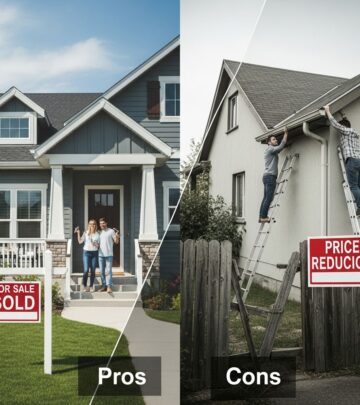
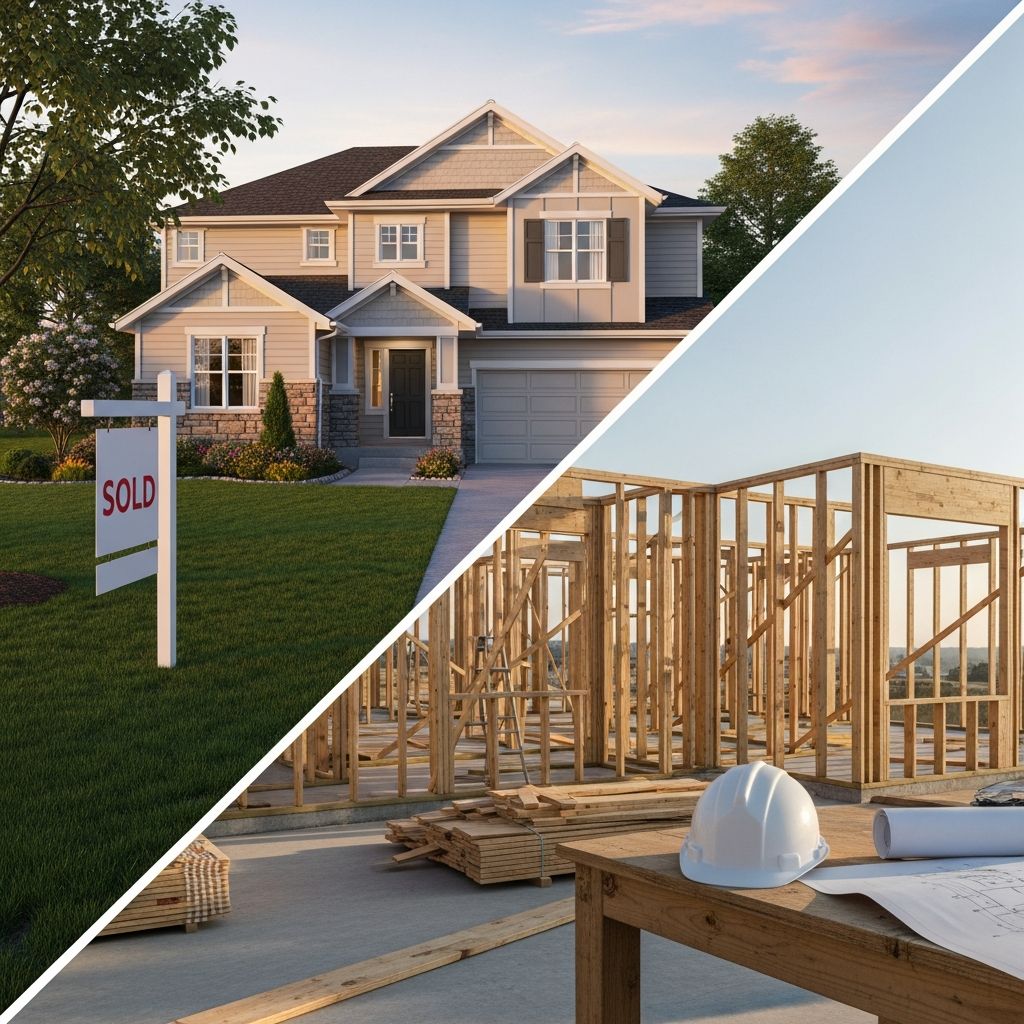
One of the most significant decisions prospective homeowners face is whether to purchase an existing home or build a new one from the ground up. Both options come with distinct advantages and disadvantages, and the right choice depends on your financial situation, lifestyle preferences, and long-term goals. Understanding the differences between buying and building can help you make an informed decision that aligns with your circumstances.
Key Differences Between Building and Buying
The housing market presents two primary pathways for acquiring a home. When you buy an existing home, you’re purchasing a property that’s already constructed and typically ready to move into immediately. Building a home from scratch, however, involves a longer timeline and different financing structure. The cost considerations, customization options, and financing methods differ significantly between these two approaches, making it essential to understand each thoroughly before committing to a decision.
Cost Comparison: Building vs. Buying
Determining whether it’s more expensive to build a house from scratch or buy an existing one can be complicated. The purchase price of a completed new-construction home tends to be higher than that of an existing home, but building from the ground up can be cheaper depending on several factors. Labor costs, base materials like lumber, the home’s size, and the finishes you choose all significantly impact the final building costs. Additionally, inflation can affect your bottom line considerably.
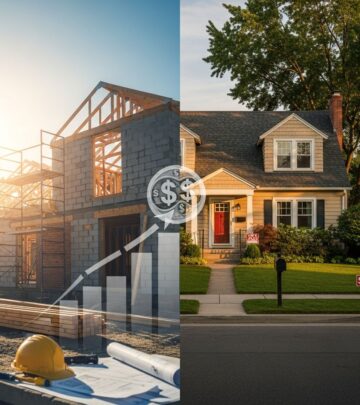
Recent market data shows encouraging trends for new construction buyers. According to analysis from the National Association of Home Builders, the typical new home price in Q1 2025 was less than 4 percent higher than the price of an existing home. This represents a dramatic shift from 2013, when new homes cost 36 percent more than existing homes. This narrowing price gap suggests that new construction has become increasingly competitive in today’s market.
The factors affecting building costs include:
- Material costs and market fluctuations
- Labor availability and regional wage rates
- Size and square footage of the home
- Quality and type of finishes selected
- Site preparation and land development
- Permits and regulatory compliance fees
Financing Options for Building a New Home
Building a home from scratch requires a different financing approach than purchasing an existing property. Instead of a traditional mortgage, you would need a home construction loan, which is a short-term, higher-interest loan that provides the upfront capital needed to build a residential property. Understanding how construction loans work is crucial for anyone considering building.
Construction Loan Basics
With a construction loan, borrowers typically supply building plans, project timelines, and financials upfront. Loan terms are usually one year, during which time the property should be built and a certificate of occupancy issued. Borrowers pay interest-only on the loan during the construction phase. The principal remaining balance is then converted into a traditional mortgage once construction is complete.
Construction Loan Costs and Requirements
When financing a new construction home, you should anticipate several costs:
| Cost Category | Amount |
|---|---|
| Down Payment | 3 to 20 percent of purchase price |
| Closing Costs | 2 to 5 percent of purchase price, including lender fees |
| Mortgage Insurance | 0.46 to 1.5 percent of loan amount (if needed for conventional loan) |
| Homeowners Insurance | $2,153 per year (national average for $300,000 coverage) |
| Property Taxes | $2,869 annually (U.S. median) |
| HOA Fees | Varies by location when applicable |
Mortgage Products for New Construction
If you’re purchasing a new-construction home from a developer, you can obtain a mortgage from the lender of your choice. However, large builders sometimes have financing arms that allow you to borrow directly from them. These lenders can offer special incentives, such as temporary rate buydowns, for financing with the builder’s preferred lender.
A common mortgage rate discount is the 2/1 buydown. In the first year of the loan, your rate is discounted by 2 percent. In the second year, it’s discounted by 1 percent. You don’t start paying your full rate until you’re three years into the loan. This type of incentive can significantly reduce your early mortgage payments and help manage your initial homeownership costs.
Financing Options for Buying an Existing Home
Purchasing an existing home typically involves obtaining a traditional mortgage. Shopping for a competitive mortgage is key to lowering the costs associated with buying a home. Negotiating fees with the lender, purchasing points to lower your interest rate, and applying for down payment or closing-cost assistance can all be part of your saving strategy.
Advantages of Building a New Home
Building a home from scratch offers several compelling advantages. You get complete customization—choosing every aspect from the floor plan to the finishes, colors, and materials. New construction homes come with modern building standards, energy-efficient systems, and the latest technology. Additionally, new homes typically include builder warranties that cover structural defects and major systems for a specified period, providing peace of mind during the early years of homeownership.
New homes also require minimal maintenance initially since everything is brand new. You won’t face surprise repairs that are common with older homes, and your energy costs may be lower due to modern insulation and HVAC systems. Furthermore, you can time your construction to align with your life circumstances, and you avoid the competitive bidding wars common in the existing home market.
Disadvantages of Building a New Home
Building presents challenges that prospective buyers should carefully consider. Construction timelines can extend beyond initial projections, creating stress and uncertainty about move-in dates. You may need to look into a longer rate-lock period since building timelines can be delayed. Customization options, while appealing, can drive up costs significantly as you add upgrades and premium finishes.
There’s also the complexity of managing a construction loan and the transition to a permanent mortgage. Unexpected issues during construction, such as weather delays or material shortages, can increase costs and extend your timeline. Additionally, you won’t have the opportunity to inspect the finished product before committing to it, though builder walk-throughs do provide some oversight. New construction communities may lack established neighborhoods and community character, and you might face higher HOA fees if the development includes community amenities.
Advantages of Buying an Existing Home
Purchasing an existing home offers immediate occupancy—you can move in soon after closing rather than waiting months for construction. The home’s actual condition and location are visible before purchase, eliminating guesswork. Existing homes often have established neighborhoods with mature landscaping, community infrastructure, and nearby amenities. You may find more variety in different price ranges and neighborhoods than in new construction.
Existing homes typically have more flexibility in negotiation regarding price, repairs, and terms. You can complete a thorough home inspection to identify potential issues before purchasing. Additionally, financing is straightforward with traditional mortgage options, and the process is generally faster than new construction.
Disadvantages of Buying an Existing Home
Existing homes come with their own set of challenges. Older properties may require significant repairs and maintenance, with potential hidden issues discovered after purchase. You may face higher energy costs if the home lacks modern insulation and efficient systems. Existing homes often come without warranties, making you responsible for immediate repairs.
Existing homes are in short supply right now, creating competitive buying environments where you might face multiple offers and bidding wars. Inspection costs and potential repair expenses can add significantly to your total investment. You’re also purchasing whatever condition and cosmetic issues the previous owner left behind, often requiring immediate updates or renovations to meet your preferences.
Current Market Trends Favor New Construction
The market dynamics have shifted favorably toward new construction. The rush to increase supply has led to more new construction availability, while recent mortgage rate movements have created a lock-in effect with current homeowners, constraining the supply of existing homes. This means buying new is becoming the more logical choice for greater numbers of homebuyers.
Buyer preferences have shifted dramatically. According to a recent National Association of Home Builders study, 61 percent of home buyers indicated a new home is their first preference, marking the highest share of buyers leaning toward a new home since 2007. Despite this preference trend, demand for new homes remains down compared to previous years, as buyers worry about economic uncertainty and rising home prices.
Making Your Decision
Your choice between building and buying depends on several factors. Consider your timeline—if you need to move quickly, buying existing makes sense. If you can wait 6-12 months and want customization, building might be better. Evaluate your financial situation, including your down payment savings, credit score, and ability to handle potential construction delays or cost overruns.
Think about your long-term plans. If you’re building equity and planning to stay in the home for many years, both options can make sense. Consider location priorities—are you flexible about neighborhood, or do you need a specific area? Assess your maintenance preferences and comfort with potential repairs in older homes.
Frequently Asked Questions
Q: Is it cheaper to buy or build a house?
A: There’s no universal answer. While the purchase price of completed new-construction homes tends to be higher, building from scratch can be cheaper depending on labor costs, materials, size, and finishes. As of Q1 2025, new homes were only about 4 percent more expensive than existing homes, a significant change from 2013 when they cost 36 percent more.
Q: What type of loan do I need to build a house?
A: You need a construction loan, not a traditional mortgage. This short-term, higher-interest loan provides upfront capital for building. During construction, you pay interest-only. Once the home is complete, the remaining balance converts to a traditional mortgage.
Q: Can I customize an existing home like I could a new one?
A: You can renovate and customize an existing home, but this requires additional planning and expense. New construction allows you to customize during the building process, potentially more efficiently and with builder coordination.
Q: What are the typical closing costs?
A: For new construction, closing costs are typically 2 to 5 percent of the purchase price, including lender fees. These vary depending on your location and the specific lender.
Q: How long does it take to build a house?
A: Construction timelines vary based on home size, complexity, and market conditions. Most projects take 6 to 12 months, though delays can extend this timeline. Construction loans typically have one-year terms.
Q: What advantages do builder financing options offer?
A: Large builders often offer special incentives through their financing arms, such as temporary rate buydowns (like 2/1 buydowns). These can reduce your early mortgage payments and help manage initial homeownership costs.
Q: Should I lock in my mortgage rate during construction?
A: Yes, you may need to look into a longer rate-lock period since building timelines can be delayed. This protects you from rate increases while your home is being constructed.
Q: What’s included in HOA fees?
A: HOA fees vary by location and community. They typically cover community amenities, maintenance, insurance, and management. New construction communities may have higher fees if they include extensive amenities.
References
- Should I Buy Or Build A House? Pros And Cons — Bankrate. 2025. https://www.bankrate.com/real-estate/build-or-buy-a-house/
- Pros And Cons Of New Construction Homes — Bankrate. 2025. https://www.bankrate.com/real-estate/new-construction-pros-and-cons/
- Is A New-Construction Home A Better Buy In Today’s Market? — Bankrate. 2025. https://www.bankrate.com/real-estate/is-new-construction-home-better-buy-todays-market/
- National Association of Home Builders Market Analysis — NAHB. 2025. https://www.nahb.org/
- U.S. Census Bureau Housing Data — U.S. Census Bureau. 2025. https://www.census.gov/
- Should I Buy A House Now Or Wait? — Bankrate. 2025. https://www.bankrate.com/real-estate/should-i-buy-a-house-now-or-wait/
Similar Articles








Read full bio of medha deb