Buy Now, Pay Later Loans Now Appear on Credit Reports
How BNPL services now reporting to credit bureaus affects your credit score and financial profile in 2025.
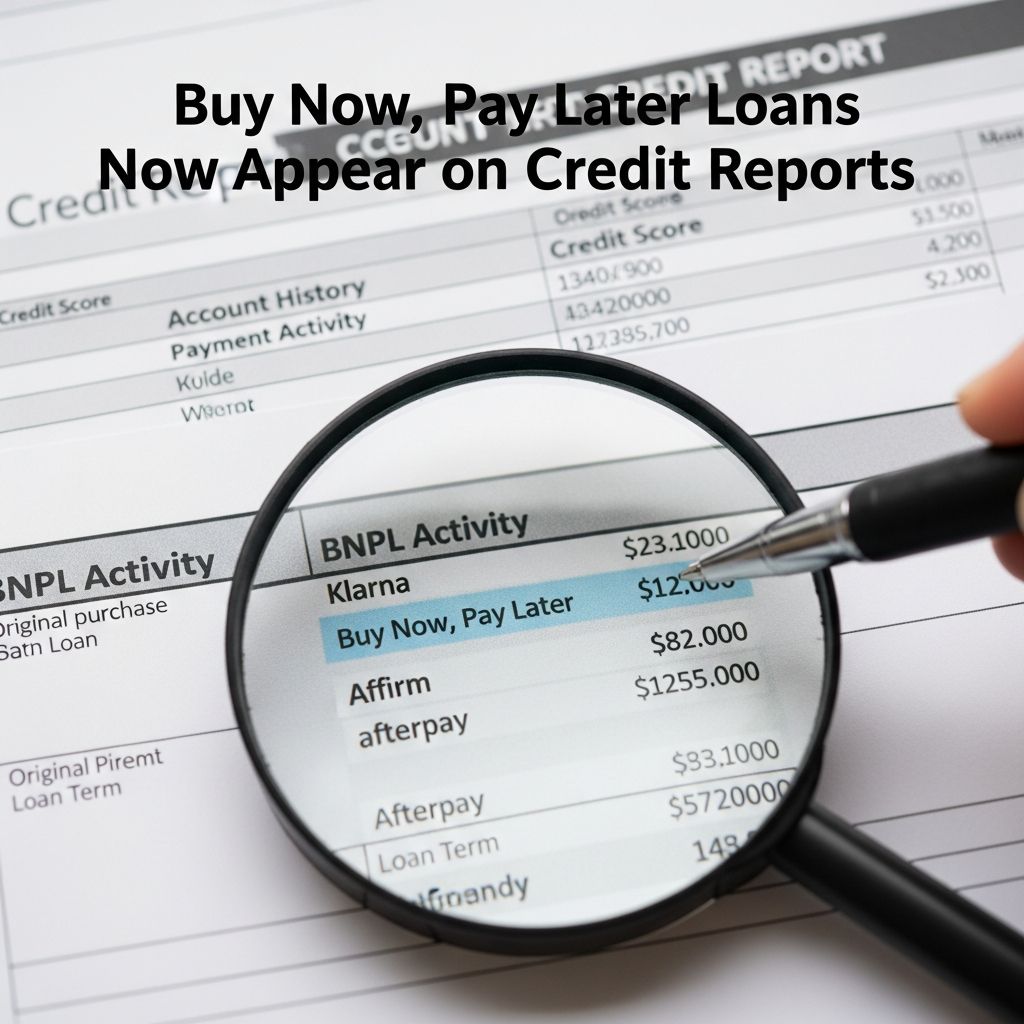
Buy Now, Pay Later Loans Now Appear on Credit Reports: What You Need to Know
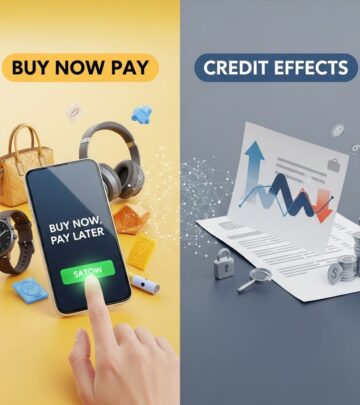
For years, buy now, pay later (BNPL) services operated in a gray zone when it came to credit reporting. Consumers could split their purchases into multiple installments across different platforms without those transactions showing up on their credit reports. However, this landscape has fundamentally shifted. Major BNPL providers are now reporting customer account activity to credit bureaus, fundamentally changing how these services affect your credit score and financial profile.
Understanding Buy Now, Pay Later Services
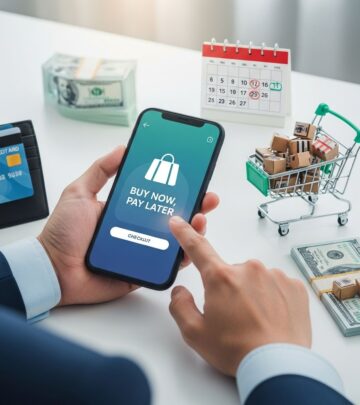
Buy now, pay later services have become increasingly popular among consumers of all ages, particularly younger demographics. These services allow you to make purchases and split the cost into multiple installment payments, often without interest. Instead of paying the full amount upfront with a credit card or cash, you can spread payments over several weeks or months, making high-ticket purchases more manageable.
Popular BNPL providers include Affirm, Klarna, Afterpay, PayPal Credit, and Apple Pay Later, among others. Each service operates slightly differently, offering various repayment terms and conditions. The appeal is clear: accessibility and flexibility. However, this convenience has come with a hidden cost that many consumers didn’t realize—the potential impact on their credit when these services begin reporting to credit bureaus.
The Shift Toward Credit Bureau Reporting
When BNPL Reporting Began
The transition started in December 2021 when Equifax took the lead in including BNPL loans on credit reports. Experian and TransUnion quickly followed suit, recognizing the importance of capturing this growing segment of consumer debt. This decision reflected the reality that BNPL had become a significant part of how Americans were spending and borrowing money.
Fast forward to 2025, and the reporting landscape continues to evolve. Different BNPL providers have adopted varying approaches to credit reporting. For example, Affirm’s reporting practices changed significantly, with new requirements beginning April 1, 2025, when all Affirm payment plans and associated repayment activity began reporting to Experian. Affirm also began reporting to TransUnion in May 2025 and may report to other credit bureaus in the future.
The New FICO Scoring Models
Beginning in Fall 2025, FICO introduced two groundbreaking new credit scoring models: FICO® Score 10 BNPL and FICO® Score 10 T BNPL. These models incorporate buy now, pay later loan data into credit scores for the first time, marking a significant evolution in credit evaluation. This development reflects the growing popularity of BNPL services, especially among Generation Z, Millennials, and households managing tighter budgets.
How BNPL Credit Inquiries Impact Your Credit Score
Understanding Hard Credit Pulls
When you apply for a BNPL service, the provider may conduct a hard credit inquiry to evaluate your creditworthiness. Applications for new credit accounts comprise 10 percent of your FICO score calculation, so a hard pull can cause your score to dip. According to FICO’s analysis, those with higher numbers of recently applied-for accounts do represent a slightly elevated risk of nonpayment.
A single hard inquiry typically won’t significantly damage your score. FICO generally indicates that one inquiry is unlikely to impact your score by more than five points. However, context matters significantly. If you’re applying for a mortgage or refinancing, even a few points could place you in a different interest rate tier, potentially costing you thousands of dollars over the life of the loan.
The real concern emerges when you’re using hard inquiries regularly. If you obtain multiple BNPL loans in a short timeframe, it can signal to lenders that you’re desperate for credit, triggering a more substantial score decrease.
BNPL Reporting and Credit Bureaus
Provider-Specific Reporting Practices
Not all BNPL providers report your account activity to credit bureaus in the same way. Whether your BNPL usage appears on your credit report depends on the specific loan product and the provider’s policies. This fragmentation creates complexity for consumers trying to understand their potential credit exposure.
Take Affirm as an example. For payment plans that originated before April 1, 2025, Affirm did not report activity on its four biweekly payments offer. However, longer-term loans were reported as installment loans. Beginning April 1, 2025, all Affirm payment plans and associated repayment activity are now reported to Experian. This represents a significant policy shift that impacts how Affirm customers’ credit scores are calculated.
Revolving Credit and Credit Utilization
Some BNPL products, such as PayPal Credit, operate as revolving lines of credit rather than fixed loan payments. With revolving accounts, the amount of available credit you use—called credit utilization—significantly impacts your credit score, accounting for 30 percent of your FICO score. If you carry a high balance on a revolving BNPL account, it could negatively affect your credit profile even if you’re making payments on time.
The Positive and Negative Impact of BNPL on Credit Scores
Building Credit Through On-Time Payments
On the positive side, if a BNPL provider reports your on-time payments to credit bureaus, it can help build your credit history and improve your credit score. Consistent, timely payments demonstrate responsible credit behavior and can be particularly helpful if you’re trying to establish or rebuild your credit. Additionally, BNPL accounts can diversify your credit mix, which accounts for 10 percent of your FICO score.
According to FICO’s simulations of the new scoring models, most users will see a score change of around ±10 points, similar to opening a new account. For consumers with limited credit history, the positive impact of reported on-time BNPL payments could be meaningful and help establish creditworthiness.
Consequences of Missed Payments
Conversely, missed payments can be significantly harmful to your credit. Payment history is the most important factor in the FICO calculation, comprising 35 percent of your score, so missing BNPL payments can have a substantial impact. If you miss a couple of payments but then catch up, your score might come away relatively unscathed. However, if you default on your remaining balance, the debt can be sent to collections, and credit bureaus will be notified.
This typically happens when an account is 90 to 120 days overdue, though timelines can vary depending on the provider’s policy. Once a BNPL provider reports missed payments to credit bureaus, it will likely show up as a negative item on your credit report and trigger a score drop. Given that payment history is such a critical component of your score, the damage can be substantial and long-lasting.
Hidden Costs and Complications of BNPL Services
Accumulating Debt Quickly
One often-overlooked danger of BNPL services is how easily debt can accumulate. Research shows that consumers using BNPL make purchases 48 percent more than those using other payment methods. This can quickly result in accumulating debt, especially if you use multiple BNPL services simultaneously. When you have several active BNPL loans across different providers, tracking payments and due dates becomes challenging, increasing the risk of missing a payment.
Additional Fees and Charges
Beyond the core BNPL service, many providers charge extra fees for various services. Late fees can accumulate if you miss payments, further increasing the total cost of your purchases. Some BNPL providers charge fees for rescheduling payments or early repayment, adding hidden costs that aren’t always obvious upfront. These fees can transform what appears to be a convenient, interest-free purchase into an expensive transaction.
Complications with Returns
Returning items bought with BNPL can also create complications. You might still be responsible for making payments until the return has been processed and added to your account, even if you’ve already returned the item. This creates a confusing situation where you’ve returned merchandise but still owe money, leading to potential payment disputes or missed payments if you’re unaware of this requirement.
Provider Hesitation and Industry Concerns
Why Some Providers Are Holding Back
Not all BNPL providers have embraced credit bureau reporting enthusiastically. Both Klarna and Afterpay have indicated they will continue to hold off on supplying data to credit bureaus, citing uncertainties about whether it will help or hurt consumers’ scores, even for on-time payments. Their concern reflects a legitimate issue: the short-term nature of BNPL products.
There have been challenges in integrating buy now, pay later loans into the traditional credit reporting framework. The reason is that these are often very short-term loans with repayment periods as brief as six weeks. When you open multiple accounts in a relatively short period, traditional credit scoring models typically penalize your score because they were designed with traditional lending in mind. A consumer using multiple BNPL services in the same month might appear to be taking on substantial new credit, even though they’re simply making purchases through convenient payment plans.
The Regulatory Landscape
The regulatory environment surrounding BNPL continues to evolve. In June, the Department of Housing and Urban Development (HUD) issued a Request for Information seeking input on the implications of buy now, pay later services, specifically exploring how BNPL may affect housing affordability and mortgage underwriting for Federal Housing Administration insured loans. BNPL obligations often don’t appear on traditional credit reports, which means lenders may not have a complete picture of a borrower’s debt-to-income ratio.
BNPL vs. Traditional Credit: Key Differences
| Factor | BNPL Services | Traditional Credit Cards |
|---|---|---|
| Interest Charges | Often interest-free | Variable interest rates |
| Credit Reporting | Increasingly reported (varies by provider) | Always reported |
| Payment Terms | Fixed short-term (typically 2-12 months) | Revolving, minimum payment required |
| Hard Inquiry | May or may not conduct hard pull | Always conducts hard pull |
| Credit Utilization Impact | Depends on account type (installment vs. revolving) | Directly impacts 30% of score |
| Late Payment Penalties | Variable; some providers charge late fees | Interest accrues plus late fees |
Strategies for Using BNPL Responsibly
Understand the Terms Before Signing Up
Before using any BNPL service, take time to thoroughly understand the terms. Find out whether the provider conducts a hard credit inquiry, whether they report to credit bureaus, what the payment schedule looks like, and what fees might apply. Different providers have different policies, so comparing terms is essential.
Limit Multiple Simultaneous BNPL Accounts
Avoid opening numerous BNPL accounts in a short timeframe. Each hard inquiry can impact your score, and opening multiple accounts signals financial distress to lenders. If you need to make purchases, consolidate them to one or two BNPL providers rather than spreading them across many services.
Make Payments On Time
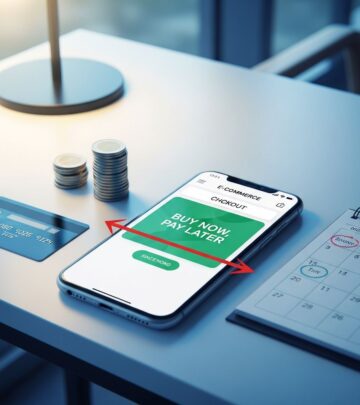
Prioritize making all BNPL payments on time. With payment history comprising 35 percent of your FICO score, late payments can damage your credit significantly. Set reminders for payment due dates and ensure you have the funds available before committing to a BNPL purchase.
Monitor Your Credit Reports
Regularly check your credit reports from all three bureaus (Equifax, Experian, and TransUnion) to ensure BNPL activity is being reported accurately. You can obtain free credit reports annually at annualcreditreport.com. Monitoring your reports helps you catch errors and understand how BNPL services are affecting your credit profile.
Frequently Asked Questions
Q: Do all BNPL providers report to credit bureaus?
A: No, not all BNPL providers report to credit bureaus. Reporting practices vary by provider and, in some cases, by the specific loan product. Affirm reports to Experian and TransUnion as of 2025, while Klarna and Afterpay have been holding back on reporting. Always check with your specific provider to understand their credit reporting practices.
Q: How much can a BNPL hard inquiry hurt my credit score?
A: A single hard inquiry typically won’t impact your score by more than five points. However, multiple inquiries in a short timeframe can have a more substantial negative impact, signaling to lenders that you’re taking on significant new credit.
Q: Can BNPL help me build credit?
A: Yes, if the BNPL provider reports your on-time payments to credit bureaus, it can help build your credit history. This is particularly beneficial for those with limited credit history or those trying to rebuild damaged credit. Consistent, on-time payments demonstrate responsible credit behavior.
Q: What happens if I miss a BNPL payment?
A: If you miss a BNPL payment and the provider reports to credit bureaus, it will likely show up as a negative item on your credit report and could trigger a score drop. If the account goes 90-120 days overdue, it may be sent to collections, which has severe credit consequences.
Q: How do the new FICO scoring models affect BNPL?
A: Beginning Fall 2025, FICO Score 10 BNPL and FICO Score 10 T BNPL incorporate BNPL loan data into credit scores for the first time. Most users are expected to see a score change of around ±10 points, similar to opening a new account, depending on their BNPL payment history.
Q: Should I avoid using BNPL services?
A: BNPL services can be useful when used responsibly, particularly for managing large purchases or building credit. The key is to understand the terms, limit simultaneous accounts, make payments on time, and monitor your credit reports to understand how they’re affecting your financial profile.
References
- How Does Buy Now, Pay Later Affect Your Credit Score? — Bankrate. 2024. https://www.bankrate.com/credit-cards/advice/buy-now-pay-later-credit-score/
- Buy Now Pay Later and Your Credit Score: What the 2025 Changes Mean for Your Financial Future — Bank of Hawaii. 2025. https://www.boh.com/blog/buy-now-pay-later-and-your-credit-score-what-the-2025-changes-mean-for-your-financial-future
- Does Buy Now, Pay Later Services Affect Your Credit Score? — CBS Philadelphia. 2025-08-18. https://www.youtube.com/watch?v=84mEAvi3xtU
- Buy Now Pay Later (BNPL) and Loan Underwriting Considerations — America’s Credit Unions. 2024. https://www.americascreditunions.org/blogs/compliance/buy-now-pay-later-bnpl-and-loan-underwriting-considerations
Similar Articles








Read full bio of Sneha Tete