Buy Now, Pay Later: Complete Guide to BNPL
Understanding BNPL services: How they work, benefits, risks, and whether they're right for you.
What Is Buy Now, Pay Later (BNPL)?
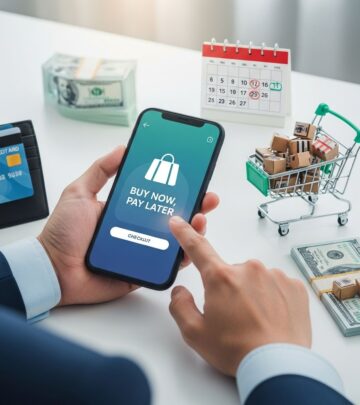
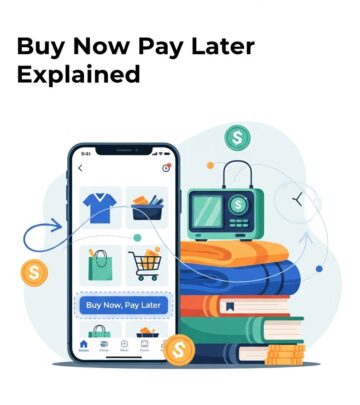
Buy Now, Pay Later (BNPL) is a type of short-term debt financing that allows consumers to make purchases while only initially paying for a portion of their value, postponing payment of the remainder of the debt until a future date, or dividing it into a series of installment payments. BNPL services have revolutionized the way consumers approach purchasing decisions, offering flexibility and immediate gratification without the burden of full upfront payment. These services function similarly to traditional hire purchase or installment plan money lending processes, but with a modern twist that integrates directly into online shopping experiences.
The core mechanism of BNPL involves three primary parties: consumers, financiers, and merchants. When a consumer makes a purchase using BNPL, the financier pays the merchant on behalf of the consumer, and the consumer then repays the financier over time in equal installments. This structure has become increasingly popular in the digital age, with fintech companies developing systems that allow instant credit decisions at the point of sale.
How BNPL Works
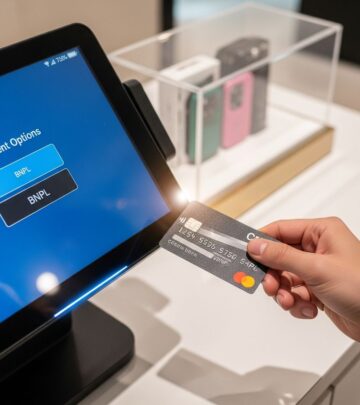
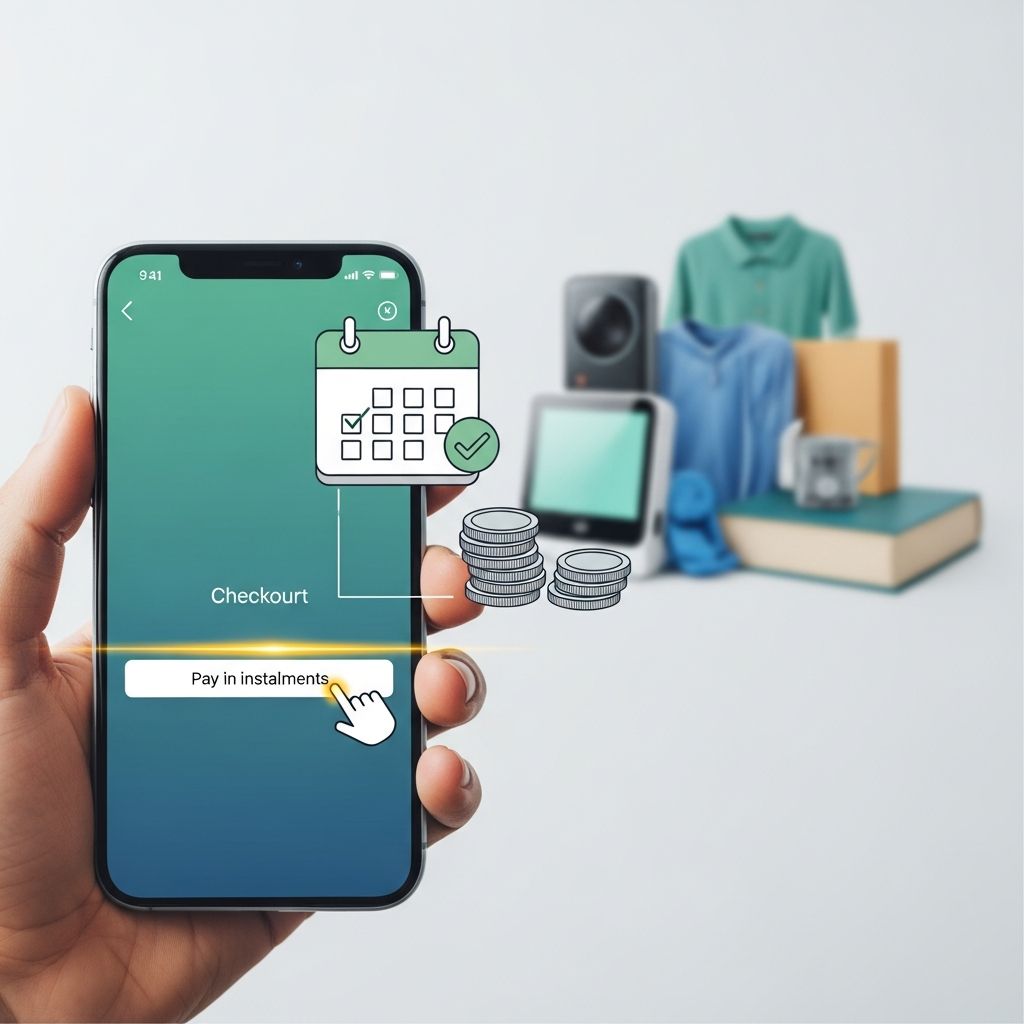
Understanding the transaction process behind BNPL is essential for consumers considering this payment method. When retailers partner with BNPL financiers, they offer customers the option to pay for purchases using BNPL at checkout. If a customer opts for this payment method, the financier typically carries out a soft credit check on the customer and returns a decision within seconds. This rapid approval process is one of the defining characteristics that distinguishes BNPL from traditional lending.
Once approval is received, the financier pays the merchant immediately, while the customer receives various repayment options. These options may include delaying payment for a short period of time or spreading the full balance over several smaller payments. Grace periods on the debt can range anywhere from two weeks to a year or more. Typically, money is drawn directly and automatically from a user’s credit or debit account on scheduled payment dates.
Key Operational Features
The service is offered free to the customer, assuming repayment is made on time. This cost-free structure is often fronted financially by retail partners; in some cases, merchants pay nearly twice the rate charged by other credit-card issuers given the lucrativeness of the enterprise. BNPL financiers take a cut from the purchase price of anything they help the merchant to sell, making their business model fundamentally different from traditional credit card companies.
A typical BNPL transaction might limit users to pay in four installments in a sequence that may align with their paycheck schedule, and BNPL is often restricted on platforms to purchases less than $35, though these parameters vary by provider and have evolved over time.
Advantages of BNPL Services
Flexibility and Convenience
One of the primary advantages of BNPL is the flexibility it provides consumers. Rather than being forced to pay the entire purchase price upfront, consumers can spread costs across multiple payment periods. This flexibility proves particularly valuable during unexpected, costly events when consumers may not have sufficient funds for upfront payment but anticipate having resources available in the near future.
No Interest and No Compounding
Users benefit from strong consumer protections such as zero interest on outstanding balances, no compounding interest, and the ability to pause accounts if consumers fall behind on payments to avoid an excessive debt burden. This interest-free structure contrasts sharply with credit cards, which typically charge significant interest rates on outstanding balances.
Quick Approval Process
The soft credit checks and nearly instantaneous approval decisions mean that consumers can receive credit in seconds rather than days or weeks. This seamless integration into the online shopping experience allows for a smoother purchasing process without lengthy delays.
Building Credit History
Responsible use of BNPL services can help consumers establish or improve their credit history, though this benefit varies depending on whether the BNPL provider reports payment activity to credit bureaus.
Disadvantages and Risks of BNPL
Impulse Buying and Overspending
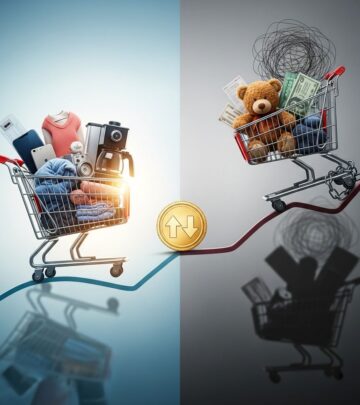
One significant concern with BNPL is its potential to encourage impulse buying and overspending. The relatively straightforward point of access can cause consumers to unconsciously accept price figures that are potentially precluded by their immediate finances. Harvard Business professor Marco di Maggio described this phenomenon: “You see something you like, you put it in the shopping cart, and you start to checkout. Before, you were looking at $100 for the item, plus shipping, plus taxes. Now, the bill [for the first installment] says $25. You say, ‘OK, now I’m going to buy it for sure.'”
Research has shown that consumers who are already in debt demonstrate a higher tendency to adopt BNPL services, and personality-related factors such as innovativeness, technological anxiety, and misconceptions about credit limits influence consumers’ choices toward BNPL adoption. Impulse buying plays a crucial role in shaping consumers’ attitudes and intentions toward BNPL usage among online shoppers.
Debt Accumulation
The ease of making multiple BNPL purchases can lead to rapid debt accumulation. Consumers may not fully appreciate how many outstanding payment obligations they have across different retailers and financiers, potentially creating a complex web of financial commitments.
Limited Consumer Protections
Prior to 2024, BNPL products were classified by the Consumer Financial Protection Bureau as “four-installment, no-interest consumer loan[s], typically with a down payment of 25 percent and the remaining three installments due in two-week intervals.” This classification offered new protections to consumers such as the ability to dispute charges and obtain refunds, but did not cover several industry concerns previously raised by the agency. These included “ability to repay requirements, fees, and so-called ‘data harvesting’ by BNPL providers.”
Late Payment Penalties
While BNPL services advertise interest-free payments, many charge late fees if payments are missed. These fees can quickly accumulate and transform an initially attractive offer into an expensive one.
BNPL Regulation and Compliance
The regulatory landscape for BNPL has evolved significantly. On June 30, 2024, new guidelines went into effect following the CFPB’s efforts to provide a path for companies to gradually transition into adherence with the guidelines. The CFPB framed these new guidelines as an ‘interpretive rule’, meaning that they are not subject to the notice-and-comment period required under the Administrative Procedure Act (APA). This regulatory approach has proven controversial, with implications for how strictly these guidelines are enforced moving forward.
BNPL vs. Traditional Credit Options
| Feature | BNPL | Credit Card | Personal Loan |
|---|---|---|---|
| Interest Rate | 0% (if on-time) | 15-25% typical | 5-36% typical |
| Approval Speed | Seconds | Minutes to hours | Days to weeks |
| Credit Check | Soft check | Hard check | Hard check |
| Payment Terms | Fixed installments | Flexible | Fixed term |
| Rewards | None typically | Often available | None |
| Late Fees | Yes, variable | Yes, fixed | Yes, fixed |
Popular BNPL Providers
The BNPL market has grown substantially, with numerous providers offering services across different merchant networks and consumer segments. Some of the most widely recognized BNPL companies include Afterpay, Klarna, Affirm, PayPal Pay in 4, and others. Each provider offers slightly different terms, fee structures, and merchant partnerships, making it important for consumers to understand the specific terms of each service they consider using.
Who Should Use BNPL?
BNPL services can be appropriate for specific situations and consumer profiles. Consumers with predictable income streams and the discipline to manage multiple payment obligations may benefit from BNPL for planned purchases. Those facing unexpected expenses who anticipate having funds available within a few weeks may find BNPL helpful in bridging a temporary cash flow gap. However, BNPL is generally not suitable for consumers already carrying significant debt, those with irregular income, or individuals prone to impulse purchasing.
Best Practices for Using BNPL
If you decide to use BNPL services, several best practices can help minimize risk and maximize benefits:
Only borrow what you can afford to repay: Treat BNPL like any other loan. Only make purchases where you genuinely have the funds available within the payment schedule, even if the immediate payment appears manageable.
Track all your BNPL obligations: Keep careful records of all outstanding BNPL payments across different providers and retailers. Consider using a spreadsheet or budgeting app to monitor due dates and amounts.
Set up calendar reminders: Missing a payment triggers late fees and can damage your credit score. Automated payments or calendar reminders can help ensure you never miss a deadline.
Compare with alternatives: Before using BNPL, consider whether a credit card or personal loan might offer better terms for your specific situation.
Read the fine print: Understand the specific terms of each BNPL offer, including late fees, any interest charges, and what happens if you miss a payment.
The Future of BNPL
The BNPL industry continues to evolve rapidly, with regulatory frameworks being established and consumer awareness growing. As the market matures, we can expect increased standardization of terms, more robust consumer protections, and potentially greater integration with traditional banking services. The interaction between BNPL services and credit reporting agencies will likely become more sophisticated, with responsible BNPL usage contributing more meaningfully to credit scores.
Frequently Asked Questions
Q: Does BNPL affect my credit score?
A: BNPL’s impact on credit scores varies by provider. Some BNPL companies perform soft credit checks that don’t affect your score, while others may report payment activity to credit bureaus. Late payments on BNPL services could negatively impact your credit score if the provider reports to bureaus.
Q: What happens if I can’t make a BNPL payment?
A: If you miss a BNPL payment, you typically face late fees, potential pausing of your account, and in some cases, the missed payment may be reported to credit bureaus. Some providers allow you to reschedule payments or pause accounts temporarily.
Q: Can I pay off my BNPL purchase early?
A: Most BNPL providers allow early payment without penalties. You can often pay off your remaining balance immediately if you have the funds available, though check with your specific provider’s terms.
Q: Is BNPL the same as a credit card?
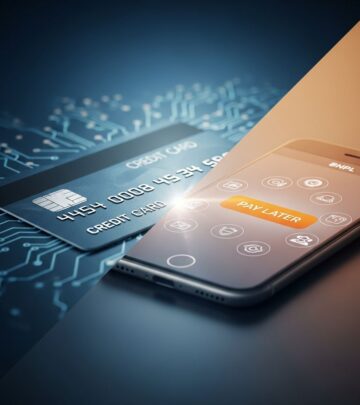
A: No, BNPL and credit cards are different financial products. BNPL offers fixed installment payments with no interest, while credit cards offer revolving credit with interest charges on outstanding balances and typically provide rewards programs.
Q: Are there any hidden fees with BNPL?
A: While BNPL services are interest-free if payments are made on time, they do charge late fees if you miss payments. Some providers may also charge fees for returned payments or NSF (non-sufficient funds) situations. Always review the terms of service for complete fee information.
Q: Can I use BNPL for all purchases?
A: No, BNPL is typically limited to specific retailers and certain purchase amounts. Not all online merchants accept BNPL, and purchase limits vary by provider and your approval amount.
References
- Buy now, pay later — Wikipedia. Accessed November 2025. https://en.wikipedia.org/wiki/Buy_now,_pay_later
Similar Articles








Read full bio of Sneha Tete