Buy It For Life: Quality Items Worth the Investment
Discover timeless quality items that last a lifetime and save money long-term.
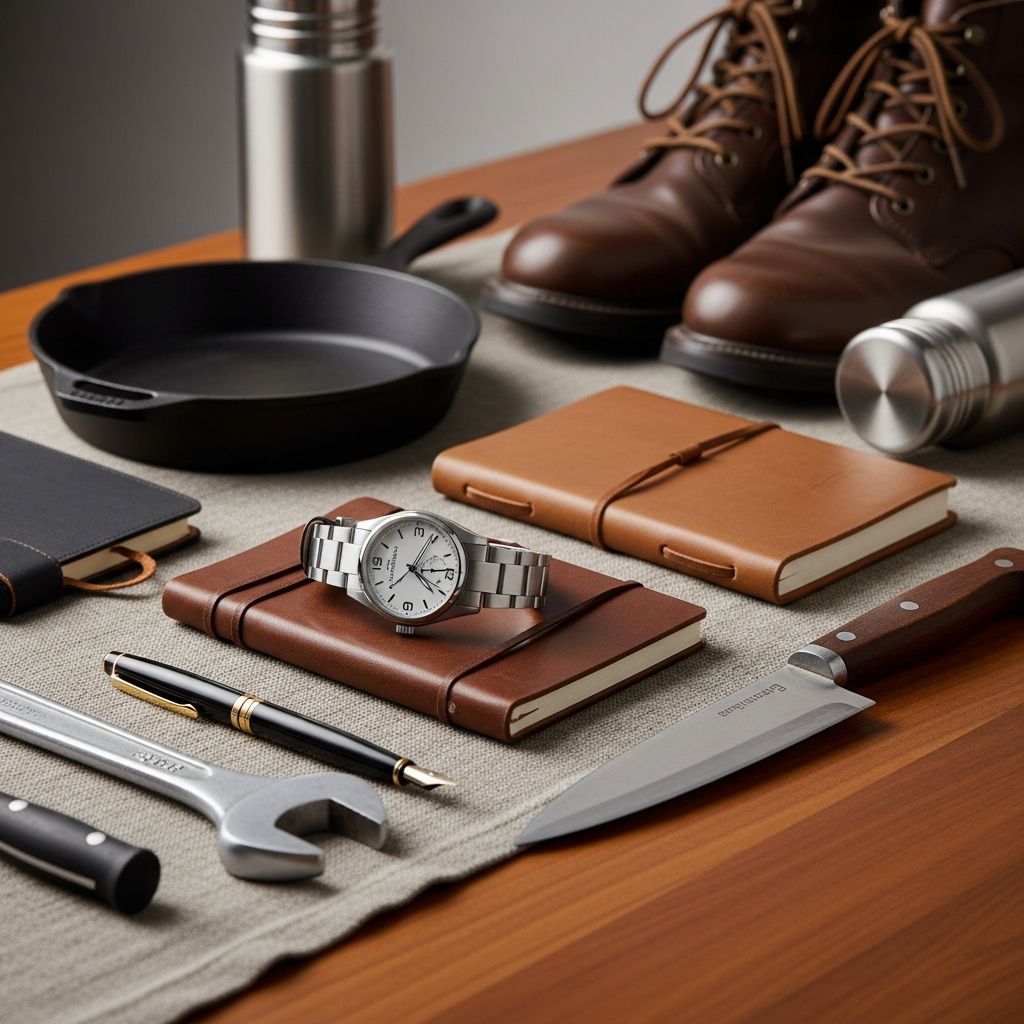
In a world of disposable consumer goods and planned obsolescence, the concept of “buy it for life” offers a refreshing alternative. Rather than constantly replacing worn-out products, this philosophy encourages you to invest in high-quality items that will serve you reliably for decades. The challenge, however, is that truly well-made products often come with premium price tags. Fortunately, buying quality items secondhand at thrift stores can help you enjoy the benefits of durable goods without breaking the bank.
Understanding the Buy It For Life Philosophy
The “buy it for life” concept is straightforward: you purchase an item once with the expectation that it will last for your entire lifetime with proper care and maintenance. This approach contrasts sharply with the modern throwaway culture where products are designed to fail or become obsolete within a few years. Instead of replacing items repeatedly, buying quality means making a single investment that provides excellent value through years or even decades of use.
The real challenge lies in identifying which products are genuinely built to last. While quality items often command higher prices, understanding what makes something “buy it for life” material can help you make smarter purchasing decisions. Experts like Tara Button, author of A Life Less Throwaway and founder of BuyMeOnce, have developed frameworks for assessing product longevity and quality.
What Makes Something Buy It For Life
Several key factors distinguish truly durable products from those destined for the landfill. Understanding these criteria will help you evaluate whether an item is worth your investment.
Design Quality
Assessing design quality doesn’t require engineering expertise. Instead, think about common failure points. For example, a cooking pan typically fails when its handle becomes wobbly. When evaluating a pan’s design, examine the handle construction carefully. Look for solid attachment points and materials that won’t degrade over time. The same principle applies to other products: identify why items typically fail, then examine whether your potential purchase addresses these weak points.
Material Selection
The materials used in a product significantly impact its longevity. Products made from high-quality materials like solid metals, genuine leather, and durable ceramics tend to outlast those made from cheap plastics or synthetic alternatives. Plastic components often degrade over time, becoming brittle or failing under stress. When shopping for items, prioritize those made from materials known to age gracefully.
Manufacturer’s Commitment to Repair
A manufacturer’s willingness to offer repair services rather than replacement is a telling sign of product quality. When a company makes the financial calculation that repairing a product is cheaper than replacing it, they’re essentially confirming that the item is built to last. This repair-focused approach indicates the manufacturer has confidence in their product’s durability and longevity. Brands that offer replacement parts and repair services demonstrate genuine commitment to supporting their customers’ long-term use.
Examples of Buy It For Life Items to Look For
Several categories of products have earned reputations as reliable buy-it-for-life investments. Whether shopping new or secondhand, these items are worth seeking out.
Cast Iron Skillets
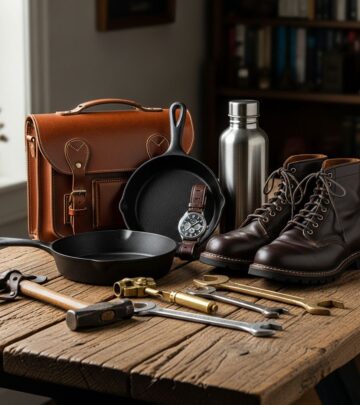
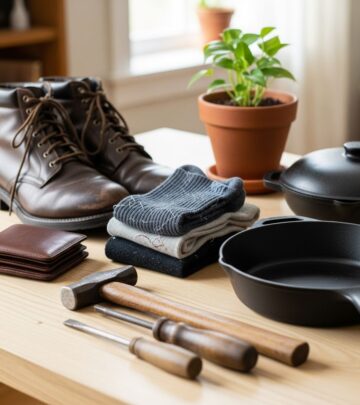
Cast iron cookware represents one of the ultimate buy-it-for-life investments. With proper care, a cast iron skillet can last multiple generations, making it a common kitchen heirloom passed down through families. You may already own a cast iron skillet older than you are, and it likely still performs excellently.
The beauty of cast iron is that brand matters less than you might think. While Lodge pans are respected, many other manufacturers produce quality cast iron that performs equally well. The key is proper seasoning and care. Cast iron skillets are frequently found at thrift stores in excellent condition, offering an affordable way to acquire a lifetime kitchen tool.
Leather Boots and Quality Footwear
Well-crafted leather boots with sturdy construction can last for decades when properly maintained. Look for boots with quality stitching, solid soles, and genuine leather uppers. Avoid plastic alternatives, as these materials degrade over time and don’t develop the character that real leather gains with age.
The “boots theory,” originally from Terry Pratchett’s Discworld, illustrates why investing in quality footwear matters. The theory explains that spending $50 on boots that last ten years is more economical than buying $10 boots you must replace annually. This concept has broader applications beyond footwear, highlighting how initial cost differences can mask significant long-term savings.
Stand Mixers and Kitchen Appliances
KitchenAid stand mixers have become kitchen icons precisely because they endure. Many households have stand mixers that have been mixing ingredients for decades, often received as wedding gifts generations ago. Similarly, brands like Bosch, Ankarsrum, and commercial Hobart mixers are known for exceptional longevity.
A quality stand mixer can function reliably for decades with proper maintenance. While motors may eventually require replacement and parts may need tightening, reputable manufacturers support their products with replacement parts and service options. This manufacturer support transforms these appliances into realistic lifetime investments.
Red Wing Boots and Quality Workwear
Red Wing boots exemplify quality workwear designed to last. Crafted from premium leather and featuring excellent construction, these boots develop character as they age. They’re frequently found at thrift stores and represent excellent value for buy-it-for-life seekers.
Le Creuset and Premium Cookware
Le Creuset enameled cast iron cookware combines durability with timeless design. These pieces can pass through multiple owners and still perform beautifully. While expensive when new, finding them secondhand allows you to enjoy premium cookware at more accessible prices.
The Thrift Store Advantage
The primary barrier to buying quality items is their cost. A new KitchenAid stand mixer, pair of Red Wing boots, or Le Creuset pot represents a significant investment for most households. This is where thrift stores become invaluable resources. Secondhand markets offer genuine buy-it-for-life items at fractions of their original prices.
Shopping thrift stores requires patience and knowledge. You’ll need to sort through many items to find quality pieces, and it helps to know what to look for. However, the potential rewards justify this effort. You might discover a cast iron skillet for a few dollars that will outlast you, or discover premium cookware at a fraction of retail cost.
Evaluating Secondhand Buy It For Life Items
When shopping thrift stores for quality items, apply the same evaluation criteria used for new products:
- Examine construction quality and materials
- Look for signs of wear that suggest actual use rather than defects
- Check handles, seams, and attachment points carefully
- Verify that moving parts function smoothly
- Research the brand’s reputation for durability
- Confirm that replacement parts are available if needed
- Test the item if possible to ensure full functionality
Secondhand items showing genuine wear can still be excellent buys if the wear reflects normal use rather than design flaws. A scratched but functional cast iron skillet or a well-used leather boot with excellent construction remains a worthwhile investment.
What to Do With Your Buy It For Life Finds
Once you’ve discovered a quality item at a reasonable price, you have several options for what happens next.
Keep and Maintain It
The most obvious choice is to enjoy your find. Use it, cherish it, and maintain it properly. When something eventually requires repair, seek out local repair professionals. Supporting your community’s menders keeps repair skills alive while extending your item’s useful life.
Pass It Along
Quality items make exceptional gifts or donations. You might give your find to a family member who will appreciate its value, donate it to someone in need, or even resell it at a profit. If you found an incredible deal, passing it to someone who needs it can feel just as rewarding as keeping it.
Create an Heirloom
Buy-it-for-life items have the potential to become family heirlooms. A well-made cast iron skillet, quality leather boots, or durable stand mixer can be passed down through generations, each owner adding to its history and character. These items become more valuable over time, not as monetary assets but as meaningful family possessions.
Building a Buy It For Life Lifestyle
Adopting a buy-it-for-life philosophy doesn’t require replacing your entire household at once. Instead, gradually seek out quality items as you shop secondhand. Build relationships with thrift stores and vintage shops in your area. Learn to recognize quality construction and material. Over time, you’ll accumulate genuinely useful items that will serve you faithfully for years or decades.
This approach offers multiple benefits. You save money in the long run by avoiding constant replacement purchases. You reduce your environmental impact by keeping items out of landfills. You support local repair businesses. And you own possessions that develop character and meaning through long-term use.
Frequently Asked Questions
Q: How do I know if an item is truly “buy it for life” quality?
A: Look for solid construction, quality materials, reputable brands known for durability, and manufacturers that offer repair services. Examine how items typically fail, then check whether your potential purchase addresses those weak points. Research the brand’s reputation and check whether replacement parts are available.
Q: Where is the best place to find buy it for life items?
A: Thrift stores, estate sales, vintage shops, and secondhand marketplaces offer quality items at reduced prices. Patience is essential—you’ll need to sort through inventory regularly to find true gems, but the effort pays off with significant savings on quality goods.
Q: Should I always buy the most expensive option?
A: Not necessarily. Price alone doesn’t guarantee quality. Some expensive items are overpriced for their actual durability, while some reasonably priced items offer excellent longevity. Focus on construction quality, materials, and brand reputation rather than price tags.
Q: Can I find buy it for life items at regular thrift stores?
A: Yes, absolutely. High-quality items end up at thrift stores regularly for various reasons. Cast iron skillets, leather boots, stand mixers, and other durable goods frequently appear in secondhand shops. You just need to know what to look for and be willing to invest time searching.
Q: What should I do if my buy it for life item needs repair?
A: Seek out local repair professionals in your community. Many cities have repair shops specializing in kitchen appliances, leather goods, and other items. Supporting these services keeps valuable skills alive and ensures your investment continues serving you well.
References
- A Life Less Throwaway: The Lost Art and Sustainable Practice of Buying for Life — Tara Button. Approximately 2014. https://www.taributton.com/a-life-less-throwaway/
- BuyMeOnce: Products Built to Last — Founded by Tara Button. 2025. https://www.buymeonce.com/
- Discworld: Small Gods — Terry Pratchett. Victor Gollancz Ltd. 1992. (Original source of the “boots theory” concept)
- Cast Iron Cookware: A Consumer Reports Buying Guide — Consumer Reports. 2024. https://www.consumerreports.org/
- KitchenAid Stand Mixer: Customer Support and Service — KitchenAid (Whirlpool Corporation). 2025. https://www.kitchenaid.com/
- Right to Repair: Understanding Product Longevity and Manufacturer Responsibility — The Repair Association. 2024. https://repair.org/
Similar Articles








Read full bio of Sneha Tete