Buy and Bail: Understanding the Risks and Issues
Exploring the legal, financial, and ethical problems with the buy and bail real estate strategy.

What Is Buy and Bail and Why Is It Problematic?
Buy and bail is a real estate strategy where investors purchase a property with the intention of renting it out, but then strategically default on the mortgage when rental income fails to meet expectations or when the property depreciates in value. Unlike traditional investment approaches, this strategy involves deliberately walking away from a mortgage obligation despite having the financial ability to continue making payments. While it may seem like a calculated business move to some investors, buy and bail comes with significant legal, financial, and ethical consequences that can damage both personal finances and the broader housing market.
The Legal Implications of Buy and Bail
One of the most serious concerns with buy and bail is the legal exposure investors face when implementing this strategy. When a borrower signs a mortgage agreement, they enter into a legally binding contract with the lender. Strategically defaulting on this agreement, even if the borrower has the financial means to continue payments, can have severe legal ramifications.
Fraud Concerns and Criminal Liability
Buy and bail strategies can expose investors to fraud charges. If a borrower misrepresented their intentions when obtaining the mortgage—for instance, claiming they would occupy the property as a primary residence when they intended to rent it, or stating they had stable income when they didn’t—this could constitute mortgage fraud. Mortgage fraud is a federal crime that can result in fines up to $1 million and imprisonment for up to 30 years. Lenders actively investigate suspicious lending patterns and may pursue legal action against borrowers who engage in this practice.
Civil Litigation
Beyond criminal liability, lenders may pursue civil action against investors who strategically default. Lenders can file lawsuits seeking deficiency judgments, which allow them to collect the difference between what the property sells for at foreclosure and the remaining mortgage balance. Depending on state laws, lenders may be able to pursue borrowers for years after the foreclosure to recover losses.
Financial Consequences of Buy and Bail
The financial impact of buy and bail extends far beyond the immediate loss of the property. Investors who pursue this strategy face multiple layers of financial damage that can affect their long-term wealth building and creditworthiness.
Credit Score Damage
Strategic default significantly damages credit scores. A foreclosure or short sale can reduce a credit score by 100 to 200 points or more, depending on the individual’s starting credit score. This damage persists on credit reports for seven years, making it extremely difficult to obtain future financing for mortgages, auto loans, business loans, or even credit cards. Higher interest rates on any future borrowing mean paying thousands of dollars more over the life of loans.
Tax Implications
When a property is foreclosed or sold through a short sale, the borrower may face unexpected tax liability. If the lender forgives part of the debt, the IRS may consider the forgiven amount as taxable income. For example, if a property sells for $150,000 but the mortgage balance is $200,000, the $50,000 difference could be considered taxable income. While some states have anti-deficiency protections or primary residence exemptions, investment properties typically don’t receive these protections, leaving investors vulnerable to substantial tax bills.
Long-Term Wealth Accumulation Impact
The inability to obtain future financing effectively stops an investor’s real estate investment career. Since most real estate investments rely on leveraged financing, a destroyed credit history prevents investors from scaling their portfolio. This single decision can cost investors hundreds of thousands of dollars in lost investment opportunities over their lifetime.
The Ethical and Market-Wide Problems
Beyond personal legal and financial consequences, buy and bail strategies contribute to broader problems in the housing market and community stability.
Impact on Lenders and Investors
When investors strategically default, lenders absorb the losses. These losses are often passed on to other borrowers through higher interest rates and stricter lending standards. Banks become more cautious, making it harder for qualified borrowers to obtain mortgage financing. In essence, honest borrowers pay the price for strategic defaults through reduced access to credit and higher borrowing costs.
Community Deterioration
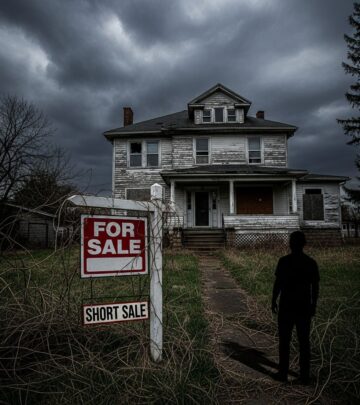
Properties undergoing foreclosure often fall into disrepair, particularly when the borrower has abandoned the property. Unmaintained properties reduce neighborhood property values, attract illegal activity, and contribute to neighborhood decline. The ripple effect harms innocent homeowners in the surrounding area who see their own property values decline as a result.
Market Instability
When large numbers of investors engage in strategic defaults, it increases the supply of foreclosed properties on the market. This oversupply drives down property values in affected areas, destabilizing the real estate market and creating genuine financial hardship for homeowners who need to sell their properties during downturns. The 2008 financial crisis demonstrated how widespread strategic defaults can devastate entire communities.
Why Investors Consider Buy and Bail
Understanding the appeal of buy and bail is important for investors considering this path. Most investors pursue this strategy in specific scenarios:
- Negative Cash Flow Properties: An investor purchases a property expecting rental income to cover the mortgage, but the actual rental market is softer than anticipated, resulting in negative monthly cash flow.
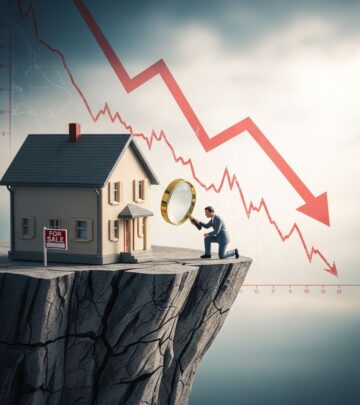
- Property Value Decline: The real estate market declines significantly after purchase, leaving the investor underwater with a mortgage balance exceeding the property’s market value.
- Unexpected Property Issues: Serious structural or environmental problems emerge after purchase, dramatically reducing the property’s value and rental potential.
- Market Downturn: A broader economic recession reduces both property values and rental demand simultaneously.
In these situations, investors rationalize strategic default as a business decision—treating the property like a failed investment that should be abandoned. However, this logic ignores the binding legal obligations and personal integrity involved in mortgage agreements.
Legal Alternatives to Buy and Bail
Rather than pursuing the risky buy and bail strategy, investors facing struggling rental properties have several legitimate alternatives that don’t carry the same legal and financial risks.
Short Sale
A short sale allows an investor to sell a property for less than the mortgage balance with the lender’s permission. While a short sale still negatively impacts credit, it typically causes less damage than a foreclosure. Additionally, short sales may qualify for tax relief under certain circumstances, and some lenders are willing to forgive the deficiency for short sales on investment properties.
Deed in Lieu of Foreclosure
Some lenders accept a deed in lieu arrangement where the borrower voluntarily transfers the property to the lender in exchange for forgiveness of the remaining debt. This approach avoids the formal foreclosure process and may result in less damage to credit than a standard foreclosure.
Loan Modification
Investors can work with lenders to modify loan terms—extending the amortization period, reducing the interest rate, or adjusting other terms to create positive cash flow. While lenders are often more willing to work with owner-occupied borrowers, some will negotiate modifications for investment properties with borrowers in good standing.
Refinancing
If property values haven’t declined too severely and the borrower has maintained good credit, refinancing to lower interest rates or better terms can restore positive cash flow on rental properties.
Continued Rental Operation
For properties experiencing temporary cash flow challenges, continuing to rent the property while seeking to improve occupancy rates or raise rents may eventually restore profitability. Patient investors often find that market conditions improve over time.
Due Diligence Before Purchasing Investment Properties
The best approach to avoiding the buy and bail temptation is proper due diligence before purchasing rental properties in the first place. Investors should:
- Conduct thorough property inspections to identify potential issues before purchase
- Research local rental market conditions extensively, not just current rents but rental demand trends
- Conservatively estimate vacancy rates and maintenance costs
- Build financial reserves to cover several months of negative cash flow
- Understand local real estate market cycles and avoid buying at market peaks
- Consult with tax professionals about potential tax consequences of investment properties
- Ensure the property’s fundamental economics work even if markets deteriorate
Frequently Asked Questions About Buy and Bail
Q: Is buy and bail the same as strategic default?
A: Yes, buy and bail is essentially a form of strategic default where an investor deliberately defaults on an investment property mortgage despite having the financial capacity to continue payments. It’s a specific application of the broader strategic default phenomenon.
Q: Can I go to jail for buy and bail?
A: If the buy and bail strategy involves mortgage fraud—such as misrepresenting your intentions or financial status when obtaining the mortgage—federal criminal charges could result in imprisonment for up to 30 years. Even without fraud charges, civil penalties and lawsuits are likely.
Q: How long does buy and bail affect my credit?
A: A foreclosure resulting from strategic default remains on your credit report for seven years. However, its impact on your creditworthiness decreases over time, and lenders may consider lending after three to five years if other factors improve.
Q: What if the property is underwater—is buy and bail justified?
A: No. An underwater property (where the mortgage exceeds market value) doesn’t justify strategic default from a legal or ethical standpoint. Legitimate options like short sales, deed in lieu arrangements, or continuing to rent the property exist and carry less risk.
Q: Can a lender pursue me after foreclosure?
A: Yes, in many states lenders can obtain deficiency judgments and pursue borrowers for years after foreclosure to recover the difference between the property’s sale price and the remaining mortgage balance.
Q: What’s the difference between buy and bail and normal foreclosure?
A: In a normal foreclosure, a borrower cannot afford payments and defaults involuntarily. In buy and bail, the borrower can afford payments but chooses to default strategically. This intentional default is what creates legal liability for fraud.
Conclusion: The True Cost of Buy and Bail
While buy and bail might initially appear as a pragmatic business decision for investors stuck with underperforming properties, the reality is far more costly. The combination of potential criminal liability, severe credit damage, tax consequences, and civil litigation makes this strategy far more expensive than the short-term savings it might offer. Beyond personal consequences, buy and bail contributes to market instability and community deterioration that harm innocent parties.
Successful real estate investors build long-term wealth through disciplined decision-making, thorough due diligence, and adherence to legal and ethical principles. When faced with underperforming rental properties, legitimate alternatives like short sales, loan modifications, and deed in lieu arrangements provide paths forward without the devastating consequences of strategic default. The short-term pain of accepting a loss on a bad investment is infinitely preferable to the long-term destruction buy and bail causes to credit, finances, and investment opportunities.
References
- Buy, Borrow, Die Tax Strategy Explained — Physicians Thrive. 2024. https://physiciansthrive.com/financial-planning/buy-borrow-die-tax-planning-strategy/
- Buy, Borrow, Die: How the Rich Avoid Taxes — SmartAsset.com. 2024. https://smartasset.com/investing/buy-borrow-die-how-the-rich-avoid-taxes
- Strategic Default and Buy & Bail — Homeowners Relief Options Inc. 2024. https://www.homeownersreliefoptions.com/strategic-default-buy-and-bail
- Buy, Borrow, Die Strategy & Examples — White Coat Investor. 2024. https://www.whitecoatinvestor.com/the-buy-borrow-and-die-strategy-275/
Similar Articles








Read full bio of Sneha Tete