Business Startup Loans: 4 Best Funding Options For 2026
Discover how personal loans and startup financing options can launch your business successfully with practical tips and requirements.

Starting a new business often requires significant upfront capital, and
business startup loans
provide a vital funding source for entrepreneurs. While traditional bank loans may be challenging for startups without revenue history, personal loans offer a flexible alternative, especially when secured against personal credit. This guide covers key options like SBA-backed loans, online lenders, eligibility criteria, application steps, and more to help you secure financing effectively.What is a Business Startup Loan?
A
business startup loan
is financing designed for new businesses in their initial stages, typically less than two years old. These loans cover expenses such as inventory, equipment, payroll, marketing, and working capital. Unlike loans for established businesses, startup loans rely heavily on the owner’s personal credit score, financial history, and business plan rather than business revenue.Personal loans can be repurposed for business startup needs, offering quick access without collateral in many cases. Lenders view startups as higher risk, leading to higher interest rates (often 10-30% APR) and shorter terms (6-60 months). In fiscal year 2026, SBA data shows 28% of microloans went to startups, highlighting growing accessibility.
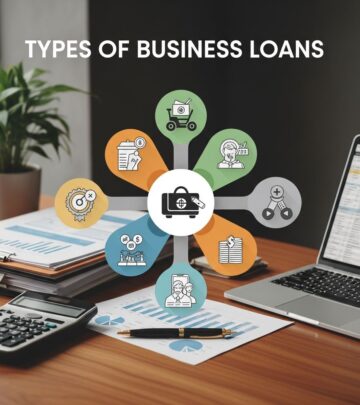
Types of Business Startup Loans
Several loan types suit startups, each with unique pros, cons, and requirements. Here’s an overview:
- SBA Loans: Government-backed through the U.S. Small Business Administration, ideal for startups. Microloans up to $50,000 average $14,771, with 28% for businesses under two years. 7(a) loans (up to $5.5 million) approved 16% for startups in 2026.
- Online Loans: Fast funding from fintech lenders for businesses with 3+ months operation. Offer short-term loans or lines of credit, but with higher rates and smaller amounts for startups.
- Personal Loans for Business: Unsecured loans based on personal credit (500+ score). Use for startup costs without business history proof; amounts up to $100,000.
- Equipment Financing: Loans secured by purchased equipment, easing approval for asset-heavy startups.
| Loan Type | Max Amount | Min Credit Score | Time in Business | Best For |
|---|---|---|---|---|
| SBA Microloan | $50,000 | 500+ | 0-2 years | Working capital |
| SBA 7(a) | $5.5M | 670+ | 0+ years | Expansion/assets |
| Online Loan | $250,000 | 500-625 | 3-12 months | Quick cash |
| Personal Loan | $100,000 | 500+ | None | No revenue startups |
Best Business Startup Loan Options
For 2026, top options include SBA programs for favorable terms and online lenders for speed. SBA microloans are startup-friendly, funding most business purposes except real estate speculation. Online platforms approve with 500+ personal credit, 3 months in business, and $50,000+ revenue where applicable. Personal loans shine for true zero-revenue startups, leveraging personal finances.
Nonprofits like Pacific Community Ventures offer flexible terms (no min credit) for underserved startups with 12+ months and revenue. Always compare APRs, fees, and prepayment penalties.
Business Startup Loan Requirements
Qualifying for startup loans demands preparation. Common criteria include:
- Personal Credit Score: Minimum 500; 670+ for best rates. Bad credit options exist but cost more.
- Time in Business: 0-12 months; online lenders need 3+ months.
- Revenue: $50,000+ annually for some; waived for pure startups.
- Collateral: Often required for SBA; personal assets suffice for others.
- Down Payment: SBA 7(a) 0-10%; higher for startups/acquisitions.
- Business Plan: Detailed with market analysis, financials, and funding use.
Even bad credit startups may qualify via SBA if they show repayment ability and sound purpose. Personal DTI ratio under 40% strengthens applications.
How to Qualify for a Startup Business Loan
Boost approval odds by:
- Building personal credit above 670.
- Creating a comprehensive business plan with projections.
- Injecting personal funds (10%+ equity shows commitment).
- Securing collateral to lower lender risk.
- Starting small with microloans before scaling.
Lenders assess character, credit, capacity, capital, and conditions (5 Cs of credit). Startups without history emphasize personal finances and plan viability.
Steps to Apply for a Business Startup Loan
Follow these steps for success:
- Assess Needs: Calculate exact funding for inventory, rent, etc.
- Check Credit: Pull personal/business scores; improve if below 500.
- Build Business Plan: Include funding request, market analysis, financials.
- Gather Documents: EIN, licenses, tax returns, bank statements, projections, collateral details.
- Shop Lenders: Compare SBA, banks, online options.
- Apply: Submit via lender portal; expect 1-30 days processing.
- Review Terms: Negotiate rates; fund upon approval.
SBA requires lender pre-qualification; applications vary but emphasize proof of repayment.
Pros and Cons of Startup Business Loans
| Pros | Cons |
|---|---|
| Quick access to capital | Higher interest rates |
| Builds business credit | Personal guarantee risk |
| Flexible uses | Strict eligibility |
| Government backing (SBA) | Collateral requirements |
Benefits outweigh risks for viable plans; alternatives like grants or bootstrapping suit others.
Business Startup Loan Alternatives
- Crowdfunding: Platforms like Kickstarter for product launches.
- Business Credit Cards: Short-term funding with rewards.
- Grants: Non-repayable from SBA or states.
- Investors: Angel/VC for equity funding.
- Invoice Financing: If early sales exist.
Frequently Asked Questions (FAQs)
Q: What credit score is needed for a startup business loan?
A: At least 500 personal score; 670+ preferred for better terms. Online lenders accept lower scores.
Q: How much can I borrow for a startup loan?
A: $50,000-$1M+; startups get smaller amounts due to risk. SBA micro up to $50,000.
Q: Can startups get SBA loans?
A: Yes, 28% microloans and 16% 7(a) to under-2-year businesses.
Q: Do startup loans require collateral?
A: Often yes for SBA/banks; personal loans may not.
Q: How long to get startup loan approval?
A: Online: 1-3 days; SBA: 30-90 days.
Q: What’s the down payment for SBA startup loans?
A: 0-10% for 7(a); shows commitment.
References
- Startup Business Loans: Best Options and How to Get One — NerdWallet. 2026. https://www.nerdwallet.com/business/loans/learn/startup-business-loans
- Loans | U.S. Small Business Administration — SBA.gov. 2026. https://www.sba.gov/funding-programs/loans
- Securing an SBA Start-up Business Loan — First National Bank. 2026. https://www.fnb247.com/education-center/news/sba-loans/securing-a-sba-startup-business-loan/
- SBA Loan Down Payment Requirements: What to Know — First Business Bank. 2026. https://firstbusiness.bank/resource-center/sba-loan-down-payments-how-much-and-how-to-get-it/
- Best Small Business Loans in California in 2026 — LendingTree. 2026. https://www.lendingtree.com/business/small-business-loans-california/
Similar Articles








Read full bio of Sneha Tete