Business Loans for Nonprofits: Complete Guide
Understand how nonprofit organizations can use business loans wisely to support growth, cash flow, and mission-driven impact.

Nonprofits depend heavily on donations, grants, and fundraising campaigns, but those sources do not always arrive on schedule or cover every operational need. In many cases, business loans for nonprofits can bridge funding gaps, support expansion, or finance critical projects without compromising mission.
This guide explains how nonprofit loans work, when they make sense, the most common loan types, and how to position your organization for approval. It is designed for executive directors, finance leaders, board members, and anyone responsible for nonprofit financial strategy.
Can Nonprofits Get Business Loans?
Nonprofit organizations are allowed to borrow from banks, credit unions, community lenders, and other financing providers as long as borrowing is consistent with their mission and governance policies. In practice, the process resembles business lending for for-profit entities, but with tighter underwriting standards in many cases.
Lenders focus on a nonprofit’s ability and willingness to repay. That means they will review:
- Revenue diversity and stability
- Cash flow trends and reserves
- Quality of financial reporting and controls
- Leadership and board oversight
- Past credit history and existing debt obligations
Because nonprofits often reinvest surplus into programs and may have volatile revenue, lenders can view them as higher risk than comparable for-profit businesses. As a result, not every nonprofit will qualify for every type of loan, but a growing ecosystem of mission-focused lenders is specifically designed to work with the sector.
Why Nonprofits Might Use Business Loans
While grants and donations remain central to impact, loans offer flexibility that can be difficult to achieve through episodic fundraising. Common reasons to use nonprofit business loans include:
- Managing cash-flow timing when grant reimbursements or pledged donations are delayed.
- Financing facility improvements such as building repairs, accessibility upgrades, or new program space.
- Purchasing equipment or technology that improves service delivery or reduces long-run costs.
- Launching or expanding programs with clear revenue or funding strategies behind them.
- Covering seasonal or cyclical fluctuations in fundraising, ticket sales, or program fees.
- Building credit history for the organization to improve access to larger capital in the future.
Used strategically and conservatively, debt can be a tool to stabilize and grow a nonprofit rather than a burden. The key is aligning any borrowing with a realistic repayment plan tied to reliable revenue.
Challenges of Getting Business Loans as a Nonprofit
Despite growing options, nonprofit leaders often encounter obstacles when they seek loans. Understanding these challenges can help you prepare stronger applications and choose the right lenders.
1. Strict Eligibility Requirements
Most lenders set minimum standards for annual revenue, time in operation, and credit quality. For nonprofits, underwriters tend to emphasize:
- Consistent positive cash flow rather than occasional surpluses
- Evidence that the organization is not operating at a chronic loss
- Diverse revenue streams (grants, donations, earned income, contracts)
- Strong internal controls and governance
Organizations that are new, highly dependent on a single funder, or running persistent deficits may find it difficult to obtain traditional bank loans.
2. Collateral and Guarantees
Like for-profit borrowers, many nonprofits are asked to pledge collateral such as buildings, equipment, or receivables, and some lenders may also require personal guarantees from leaders or board members. Mission-driven lenders and nonprofit loan funds may have more flexible collateral requirements, but they will still want a credible repayment source and security where possible.
3. Misalignment with SBA Programs
The U.S. Small Business Administration (SBA) backs many small-business loans, but most of its flagship programs—such as the 7(a) and 504 programs—are designed for for-profit businesses. Certain SBA microloan and disaster programs are available to specific nonprofit entities (for example, some child care centers and private nonprofits after federally declared disasters), but eligibility is limited and must be verified carefully on SBA.gov.
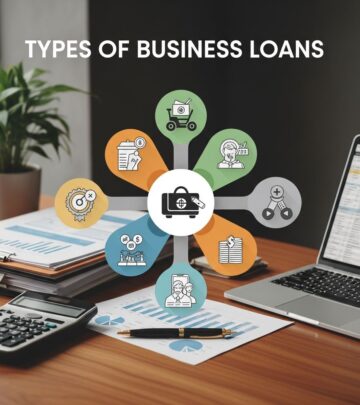
Types of Business Loans Available to Nonprofits
Nonprofits can access a mix of conventional and mission-focused financing. The table below summarizes common options, followed by more detail on each.
| Loan Type | Best For | Typical Features |
|---|---|---|
| Term Loans | Major one-time investments | Lump sum, fixed repayment schedule |
| Lines of Credit | Cash-flow gaps | Flexible draws, interest on amount used |
| Equipment Loans | Vehicles, technology, machinery | Secured by equipment purchased |
| Real Estate & Construction Loans | Buying or improving facilities | Longer terms, collateralized by property |
| CDFI & Nonprofit Loan Fund Financing | Community-focused organizations | Mission-driven underwriting, flexible terms |
| SBA Microloans | Smaller projects, certain nonprofits | Up to $50,000 through intermediaries |
Term Loans
Term loans provide a lump sum that is repaid over a set period, typically with fixed or variable interest. Nonprofits may use term loans to:
- Renovate facilities or build new program space
- Invest in long-lived equipment or vehicles
- Consolidate higher-interest debt into a single obligation
Bank term loans are often the least expensive option but may be harder to qualify for. CDFIs and nonprofit loan funds sometimes offer more flexible term loans tailored to community-based organizations.
Lines of Credit
A line of credit acts like a reusable pool of funds that the nonprofit can draw on as needed, up to a certain limit. This can be crucial for:
- Bridging timing gaps between expenses and grant reimbursements
- Handling seasonal dips in contributions or earned revenue
- Managing short-term liquidity without locking into long-term debt
Interest is generally charged only on the amount used. Many banks and community lenders offer lines of credit to nonprofits with solid financials and a track record of responsible management.
Equipment Loans
Equipment financing allows nonprofits to purchase assets like vehicles, computers, medical devices, or energy-efficient systems using the asset itself as collateral. Because the collateral is built into the transaction, these loans can sometimes be easier to qualify for than unsecured term loans, particularly when the equipment has a strong resale market.
Real Estate and Construction Loans
Organizations that own their own facilities often need capital for acquisition, construction, or major renovations. Real estate and construction loans typically involve larger dollar amounts and longer repayment timelines.
Nonprofits may pursue these loans to:
- Buy a building instead of leasing
- Expand classrooms, clinics, or community centers
- Undertake accessibility or safety upgrades
Community Development Financial Institutions (CDFIs) and nonprofit loan funds often specialize in these transactions for community facilities, sometimes blending loans with tax credits or other subsidies.
CDFI Loans and Nonprofit Loan Funds
Community Development Financial Institutions (CDFIs) are mission-driven lenders certified by the U.S. Treasury to promote economic opportunity in underserved communities. Many CDFIs, along with independent nonprofit loan funds, focus specifically on lending to charities, community organizations, and social enterprises.
Advantages can include:
- Flexible underwriting that understands nonprofit revenue patterns
- Technical assistance in budgeting, forecasting, and financial management
- Potentially lower interest rates or interest-free loans through specialized funds
Some nonprofit loan funds require an operating history, so early-stage organizations may need to explore grants, recoverable grants, or smaller credit products first.
SBA Microloans and Disaster Loans
The SBA’s standard business loan programs generally require a business to operate for profit, which excludes most nonprofits. However, there are important exceptions:
- SBA microloans of up to $50,000 may be available in limited cases, including to certain nonprofit child care centers, through nonprofit intermediaries.
- SBA disaster loans can be available to private nonprofits for physical damage and, in some cases, economic injury following federally declared disasters.
Eligibility, uses, and terms depend on the specific SBA program and must be confirmed directly on official SBA resources.
Who Provides Business Loans for Nonprofits?
Potential lenders include:
- Commercial banks and credit unions that serve local organizations and established nonprofits
- CDFIs that specialize in community-based lending and often partner with governments or foundations
- Nonprofit loan funds dedicated to sectors such as affordable housing, education, arts, or health
- Community development corporations and place-based funds focused on neighborhood impact
- Impact investors that provide program-related investments or low-interest loans as part of their philanthropy
The right lender depends on your organization’s size, purpose, and financial profile. For mission-heavy, revenue-light organizations, CDFIs and nonprofit loan funds are often the best match.
Eligibility Criteria for Nonprofit Loans
Although each lender sets its own policies, nonprofits typically must demonstrate several core elements to qualify:
- Legal and tax status: Proof of 501(c)(3) or other tax-exempt status; up-to-date state registrations and licenses.
- Operating history: Often at least 1–3 years in operation for conventional loans; some specialized funds may work with newer organizations.
- Revenue and cash flow: Sufficient, reasonably predictable income to support debt service while maintaining programs.
- Financial statements: Accurate, timely financial reports (statement of activities, statement of financial position, cash-flow statements, budgets).
- Governance: Active board oversight, documented bylaws, and formal resolutions authorizing borrowing.
- Collateral and security: Property, equipment, grants receivable, or other assets when required.
How to Apply for a Nonprofit Business Loan
A structured approach improves your chances of approval and can strengthen internal planning.
1. Clarify Your Funding Need and Strategy
- Define the exact purpose of the loan (e.g., bridge grant reimbursements, purchase a vehicle, renovate offices).
- Determine the amount needed and justify it with budgets, project plans, or forecasts.
- Identify the repayment source (e.g., secured government contract revenue, pledged multi-year grants, earned income).
2. Assess Organizational Readiness
Before approaching lenders, evaluate your own readiness:
- Review recent audited or reviewed financial statements, if available.
- Analyze cash-flow projections to ensure you can meet debt service.
- Discuss risk tolerance and borrowing limits at the board level.
3. Prepare Core Documentation
Expect lenders to request a mix of narrative and financial documentation, such as:
- Proof of nonprofit and tax-exempt status (IRS determination letter)
- Organizational bylaws and list of board members
- Board resolution authorizing loan application and borrowing
- Recent Form 990 filings, if applicable
- Audited or internally prepared financial statements
- Current year budget and multi-year forecasts
- Bank statements and documentation of restricted vs. unrestricted funds
- Fundraising plans and key grant agreements
4. Build a Strong Business and Impact Case
Lenders to nonprofits often look for both financial sustainability and mission alignment. Your application should clearly present:
- The community need your organization addresses
- How the loan will advance or protect impact
- Evidence that your programs are effective and in demand
- A realistic repayment plan with stress-tested cash-flow projections
5. Compare Lenders and Apply
- Research banks, CDFIs, and nonprofit loan funds that specialize in your size and type of organization.
- Compare interest rates, fees, covenants, and reporting requirements.
- Submit complete, organized application packages to avoid delays.
When a Loan Might Not Be the Right Choice
Debt is not suitable for every nonprofit situation. It may be better to seek grants, fundraising campaigns, or restructuring if:
- The organization is already struggling with chronic deficits or cash crises.
- You cannot identify a reliable revenue stream to service the loan.
- Board or leadership capacity for financial management is weak.
- Borrowing would effectively fund ongoing operating gaps rather than targeted, time-bound needs.
In such cases, consult with advisors, auditors, or nonprofit support organizations before proceeding.
Best Practices for Using Nonprofit Loans Responsibly
- Align borrowing with strategy: Ensure that every loan supports clearly defined, board-approved goals.
- Limit reliance on debt: Treat loans as one tool among many, not a default solution to recurring funding gaps.
- Monitor covenants and metrics: Track any financial ratios or reporting obligations required by lenders.
- Maintain reserves: Work toward modest operating reserves even while servicing debt to cushion against surprises.
- Communicate with funders: Some institutional funders view prudent debt as a sign of sophistication; others may require notification.
Frequently Asked Questions (FAQs)
Q: Are nonprofits allowed to take out business loans?
A: Yes. Nonprofits can legally borrow from banks, CDFIs, nonprofit loan funds, and other lenders if borrowing is consistent with their mission, bylaws, and board-approved policies.
Q: Why is it harder for nonprofits to qualify for loans?
A: Lenders often see nonprofits as higher risk because revenue may be unpredictable, highly restricted, or dependent on grants, and some organizations operate at a loss. As a result, lenders frequently require stronger cash flow, collateral, and documentation than they might for comparable for-profit businesses.
Q: What credit score is needed for a nonprofit business loan?
A: Requirements vary by lender. Some assess the personal credit of key leaders or guarantors, while others focus mainly on organizational financials and history. Mission-driven lenders and CDFIs may show more flexibility if the nonprofit demonstrates strong governance and impact.
Q: Do loans affect a nonprofit’s tax-exempt status?
A: No. Properly structured loans used for legitimate organizational purposes do not jeopardize tax-exempt status. However, all borrowing should be approved following board governance procedures, and funds must be used in support of the nonprofit’s mission.
Q: Are SBA loans available to nonprofits?
A: Most SBA loan programs require borrowers to operate for profit, but certain SBA microloans and disaster loan programs can be available to specific nonprofit entities such as some child care centers or private nonprofits affected by disasters. Eligibility details should always be verified on SBA.gov.
Q: What is the best type of loan for a nonprofit?
A: The best loan depends on the purpose and repayment source. Lines of credit are often useful for short-term cash-flow gaps, term loans for major projects, equipment loans for specific purchases, and CDFI or nonprofit loan fund financing for organizations seeking mission-aligned, flexible capital.
References
- 6 Types of Loans for Nonprofit Businesses — U.S. Chamber of Commerce. 2023-08-03. https://www.uschamber.com/co/run/finance/loan-types-for-nonprofit-businesses
- Guide to Business Loans for Nonprofit Organizations — SoFi. 2023-06-20. https://www.sofi.com/learn/content/non-profit-loans-for-businesses/
- Nonprofit Business Loans: Funding for Charities — NerdWallet. 2023-11-15. https://www.nerdwallet.com/business/loans/learn/nonprofit-business-loans
- Loans: A Guide to Borrowing for Nonprofit Organizations — Propel Nonprofits. 2019-09-01. https://propelnonprofits.org/resources/loans-a-guide-to-borrowing-for-nonprofit-organizations/
- Loans — U.S. Small Business Administration (SBA). 2024-04-01. https://www.sba.gov/funding-programs/loans
Similar Articles








Read full bio of Sneha Tete