Business Line of Credit: Complete Guide for Small Business
Master business lines of credit: flexible funding for growth, cash flow management, and operational needs.

What Is a Business Line of Credit?
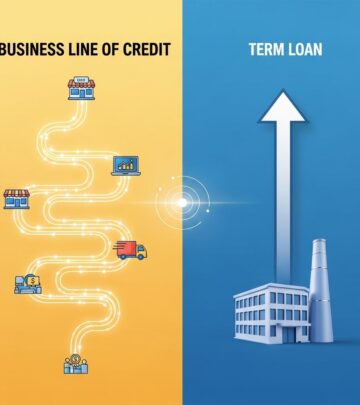
A business line of credit is a flexible financing solution that provides business owners with access to a predetermined amount of funds they can borrow as needed. Unlike traditional term loans that provide a lump sum upfront, a business line of credit functions similarly to a credit card but is specifically designed for business expenses. Once you’re approved for a line of credit, you can draw funds up to your credit limit, repay what you’ve borrowed, and access those funds again without needing to reapply.
This revolving credit structure makes it an ideal financial tool for managing short-term business needs, from covering payroll and purchasing inventory to handling unexpected expenses and capitalizing on growth opportunities. According to recent data, just over one in three small businesses regularly use a business line of credit, demonstrating its widespread adoption among entrepreneurs and business owners.
How Does a Business Line of Credit Work?
Understanding the mechanics of a business line of credit is essential before deciding whether it’s right for your business. Here’s how the process typically unfolds:
The Application and Approval Process
To obtain a business line of credit, you’ll need to apply through a bank or financial institution. The lender will evaluate your business’s financial health, credit history, annual revenue, and time in business. Once approved, you’ll receive a pre-approved credit limit—the maximum amount you can borrow.
Drawing and Repaying Funds
After approval, you have the flexibility to draw funds whenever needed, up to your credit limit. You only pay interest on the amount you actually borrow, not on your full credit limit. When you repay the borrowed amount, that credit becomes available for future use. This cycle continues throughout your line of credit’s term, making it a true revolving credit facility.
Interest and Fees
Interest is typically charged only on drawn balances, and many business lines of credit come with variable interest rates. Some lenders may also charge annual fees, origination fees, or monthly maintenance fees. It’s crucial to understand all associated costs before committing to a line of credit.
Key Features of Business Lines of Credit
When evaluating a business line of credit, you’ll want to understand these essential characteristics:
- Pre-approved borrowing limit: A set maximum amount you can access
- Flexible access to funds: Borrow only what you need, when you need it
- Interest charged on outstanding amounts only: You pay interest only on what you borrow
- Revolving credit structure: Repaid funds become available to borrow again
- Flexible repayment terms: Often with interest-only payment options during the draw period
- No restrictions on fund usage: Use the money for virtually any business purpose
- Potential credit-building benefits: On-time payments may strengthen your business credit profile
Benefits of a Business Line of Credit
Quick Access to Capital
One of the most significant advantages of a business line of credit is rapid access to funds. When emergencies strike or unexpected opportunities arise, you don’t have time to wait for lengthy loan approvals. A business line of credit provides immediate access to cash, allowing you to bridge cash flow gaps, handle emergency expenses, and keep your business adaptable to changing circumstances.
Flexibility and Control
Unlike traditional term loans with fixed repayment schedules, a business line of credit gives you complete control over when and how much you borrow. This flexibility is particularly valuable for seasonal businesses or those with fluctuating revenue. You access only the funds you need, avoiding unnecessary debt while maintaining the safety net of available credit.
Improved Cash Flow Management
A business line of credit serves as a financial safety net when revenue is inconsistent. If you’re waiting for customer payments but face immediate expenses like payroll, inventory restocking, or supplier payments, your line of credit covers these costs temporarily. This ensures operations continue smoothly without disruption while waiting for incoming revenue.
No Collateral Required (Unsecured Options)
Many business lines of credit are unsecured, meaning you don’t need to pledge personal or business assets as collateral. This eliminates the risk of losing your home, equipment, or other valuable assets if you encounter financial difficulties.
Building Business Credit
Consistently using and repaying your business line of credit strengthens your credit history. This builds your business credit profile, increasing your chances of qualifying for larger financing opportunities in the future at better terms. Many lenders report payments to business credit bureaus, creating a documented payment history that demonstrates financial responsibility.
Lower Interest Rates Than Alternatives
Business lines of credit typically offer lower interest rates compared to other short-term financing options like merchant cash advances or business credit cards. This cost advantage makes them an economical choice for businesses needing flexible funding.
Deepening Banking Relationships
Opening a business line of credit with your primary business banking institution strengthens your relationship with that bank. Your banker gains better insight into your business’s financial needs and can offer more personalized service and potentially better terms on future financing.
Disadvantages of a Business Line of Credit
Variable Interest Rates
Most business lines of credit feature variable interest rates tied to prime rate changes. This means your borrowing costs can increase if interest rates rise, making it harder to predict future payments and budget effectively.
Potential Debt Temptation
The ease and availability of funds can tempt business owners to overborrow. Without discipline, you might accumulate debt beyond your ability to repay, damaging your business finances and credit profile.
Annual and Maintenance Fees
Beyond interest charges, many lines of credit include annual fees, origination fees, or monthly maintenance fees. These add to your borrowing costs, particularly if you don’t actively use the line of credit.
Shorter Repayment Periods
Business lines of credit typically have shorter repayment terms than traditional loans, usually ranging from one to three years. Shorter timeframes mean higher monthly payments, which might strain cash flow compared to longer-term loan structures.
Potential Credit Limit Reductions
Lenders can reduce your credit limit if your business performance declines or your credit score drops. This can leave you without resources precisely when you need them most during financial difficulties.
Requires Good Credit
Qualifying for favorable business line of credit terms typically requires a solid personal and business credit history. Businesses with poor credit may face higher interest rates or difficulty qualifying altogether.
Common Uses for Business Lines of Credit
Business owners utilize lines of credit for various financial needs:
- Managing seasonal fluctuations: Covering expenses during off-season or slower periods
- Payroll funding: Ensuring employees are paid on schedule even when revenue dips
- Inventory purchases: Stocking up on inventory without depleting cash reserves
- Supplier payments: Meeting vendor obligations to maintain business relationships
- Equipment and machinery: Purchasing necessary business assets
- Working capital: Supporting day-to-day operational expenses
- Growth initiatives: Funding expansion projects or new market entry
- Emergency expenses: Covering unexpected costs that arise
- Marketing campaigns: Funding promotional activities or seasonal marketing pushes
- Technology upgrades: Investing in software, hardware, or digital infrastructure
Types of Business Lines of Credit
Unsecured Line of Credit
An unsecured line of credit doesn’t require collateral, making it accessible to businesses without significant assets. Lenders approve these based primarily on creditworthiness and business performance. However, unsecured lines typically come with higher interest rates to compensate for increased lender risk.
Secured Line of Credit
A secured line of credit requires pledging business or personal assets as collateral. This security allows lenders to offer lower interest rates and potentially higher credit limits. However, defaulting on a secured line puts your collateral at risk.
Overdraft Line of Credit
Some banks offer overdraft protection linked to your business checking account. If you overdraw your account, the line of credit automatically covers the shortfall, preventing bounced checks and overdraft fees.
Eligibility Requirements
To qualify for a business line of credit, lenders typically evaluate:
- Business credit score and personal credit score
- Annual business revenue
- Time in business (usually minimum 2 years)
- Business profitability and financial stability
- Banking history and account standing
- Industry and business type
- Existing debt levels and obligations
- Business plan and demonstrated financial management
Comparing Business Lines of Credit to Other Financing Options
| Financing Type | Structure | Interest Rates | Repayment Term | Best For |
|---|---|---|---|---|
| Business Line of Credit | Revolving, flexible access | Variable, moderate | 1-3 years typically | Short-term needs, cash flow management |
| Term Loan | Fixed lump sum | Fixed, varies | 3-10+ years | Equipment, real estate, major purchases |
| Business Credit Card | Revolving credit | High variable | Monthly minimum payments | Small purchases, travel expenses |
| SBA Loan | Fixed lump sum | Fixed, competitive | 5-10 years | Startup funding, business expansion |
| Merchant Cash Advance | Lump sum advance | Very high | Daily/weekly repayment | Quick cash, retail/restaurant businesses |
Tips for Choosing the Right Business Line of Credit
Assess Your Business Needs
Before applying, clearly determine what you need the credit for and how much capital you actually require. Requesting a credit limit aligned with realistic needs helps you avoid overextending yourself financially.
Compare Multiple Lenders
Don’t settle for the first offer. Compare terms, interest rates, fees, and customer service from multiple banks and financial institutions. Small differences in rates and fees can significantly impact your borrowing costs over time.
Evaluate Interest Rate Structures
Understand whether rates are fixed or variable, and what factors might trigger rate changes. Request a clear explanation of all fees, including annual maintenance, origination, and draw fees.
Review Repayment Terms
Ensure the repayment structure aligns with your cash flow. Some lines offer interest-only payments during the draw period, reducing immediate payment burden. Understand what happens when the draw period ends.
Check for Hidden Fees
Ask about all potential fees, including minimum draw amounts, payment processing fees, and prepayment penalties. Understanding the complete cost picture prevents unpleasant surprises.
Consider Your Credit Profile
If your business credit is weak, start with a modest line of credit and build your credit profile through consistent, on-time payments. This positions you for better terms and larger credit limits in the future.
Steps to Apply for a Business Line of Credit
Step 1: Prepare Your Documentation
Gather business financial statements, tax returns, bank statements, profit and loss statements, and personal financial information. Lenders use these documents to assess your creditworthiness.
Step 2: Research and Compare Lenders
Identify banks and financial institutions offering business lines of credit. Compare their terms, rates, and customer reviews to find the best fit for your business.
Step 3: Submit Your Application
Complete the lender’s application process, providing accurate information about your business and finances. Incomplete or inaccurate applications can delay approval.
Step 4: Provide Additional Information
The lender may request additional documentation or clarification. Respond promptly to expedite the approval process.
Step 5: Review and Accept Terms
Carefully review the offered terms, interest rates, and fees. Only accept if the terms align with your business needs and financial capacity.
Step 6: Set Up Access and Begin Using Your Line
Once approved, set up your line of credit access method—whether through checks, transfer, or online banking. Begin drawing funds as needed for your business.
Frequently Asked Questions
Q: What is the difference between a line of credit and a business loan?
A: A traditional business loan provides a fixed lump sum with predetermined repayment terms. A line of credit is revolving credit where you borrow, repay, and reborrow as needed, paying interest only on the amount outstanding.
Q: How much can I borrow with a business line of credit?
A: Credit limits vary by lender and your business’s financial profile. They typically range from $1,000 to $250,000 or more, depending on your creditworthiness, revenue, and business history.
Q: What are typical interest rates for business lines of credit?
A: Rates vary significantly based on market conditions, your credit profile, and lender policies. They generally range from 4% to 12% or higher, often based on prime rate plus a margin.
Q: Do I need collateral to get a business line of credit?
A: Not necessarily. Many lenders offer unsecured lines of credit that don’t require collateral, though you may receive better rates with a secured line backed by business or personal assets.
Q: How quickly can I access funds from a business line of credit?
A: One of the key advantages is rapid access. Many businesses can access funds within 24-48 hours of approval, making it ideal for urgent financial needs.
Q: Can a business line of credit help build my business credit?
A: Yes. When your lender reports payments to business credit bureaus, consistent on-time payments strengthen your business credit profile, improving your creditworthiness for future financing.
Q: What happens if I don’t use my entire credit limit?
A: You only pay interest on the amount you borrow, not on the unused portion. However, some lenders may charge annual or maintenance fees regardless of usage.
Q: How long does approval typically take?
A: Approval timelines vary by lender, ranging from same-day decisions to 5-10 business days. Online lenders often provide faster decisions than traditional banks.
Q: Can my lender reduce my credit limit?
A: Yes. Lenders can reduce credit limits if your business performance declines, your credit score drops, or your account shows payment issues. Review your line of credit terms for specific reduction policies.
Q: Is a business line of credit right for my business?
A: A business line of credit works best for businesses with irregular cash flow, seasonal revenue patterns, or short-term financing needs. Evaluate your specific business needs, creditworthiness, and financial projections before deciding.
Conclusion
A business line of credit is a powerful financial tool that provides flexibility, quick access to capital, and effective cash flow management. Whether you’re navigating seasonal fluctuations, managing unexpected expenses, or positioning your business for growth, a line of credit offers the financial safety net many successful businesses rely on. By understanding how they work, weighing the benefits and drawbacks, and carefully comparing lenders, you can choose a business line of credit that supports your business goals and financial wellbeing. Start with a modest credit limit if you’re new to business financing, focus on consistent, on-time payments to build your credit profile, and leverage this flexible financing tool as your business grows and evolves.
References
- Pros & Cons of a Business Line of Credit — Armed Forces Bank. Accessed November 2025. https://www.afbank.com/article/pros-and-cons-of-a-business-line-of-credit
- Five Reasons to Use a Business Line of Credit (BLOC) — ESL Federal Credit Union. Accessed November 2025. https://www.esl.org/resources-tools/business-support/borrowing-for-your-business/five-reasons-to-use-a-bloc
- Understanding How Small Business Lines of Credit Work — PNC Bank. Accessed November 2025. https://www.pnc.com/insights/small-business/manage-business-finances/understanding-small-business-line-of-credit.html
- What is a Business Line of Credit? Understanding BLOCs — BMO. Accessed November 2025. https://www.bmo.com/en-us/main/business-banking/business-insights/what-is-business-line-of-credit/
- Business Line of Credit: What It Is & How It Works — Chase. Accessed November 2025. https://chase.com/personal/credit-cards/education/basics/business-line-of-credit-what-is-it
- What is a Business Line of Credit? — City National Bank. Accessed November 2025. https://www.cnb.com/business-banking/insights/what-is-a-bloc.html
- What is a Business Line of Credit & How Does It Work? — Bank of America. Accessed November 2025. https://business.bankofamerica.com/en/resources/understanding-business-lines-of-credit
- Why a Business Line of Credit May Be a Smart Choice for Your Business — U.S. Small Business Administration. Accessed November 2025. https://www.sba.gov/blog/why-business-line-credit-may-be-smart-choice-your-business
Similar Articles








Read full bio of medha deb