Business Line Of Credit: 2025 Guide For Small Businesses
Unlock flexible funding for your business with lines of credit: manage cash flow, seize opportunities, and build credit smarter.

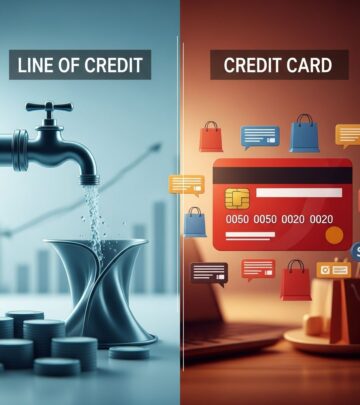
Business lines of credit offer small business owners a revolving source of capital, allowing them to draw funds up to a set limit as needed, repay, and borrow again without reapplying. This financial tool functions like a business credit card but often comes with lower interest rates and more favorable terms for short-term needs.
Understanding the Fundamentals of Business Lines of Credit
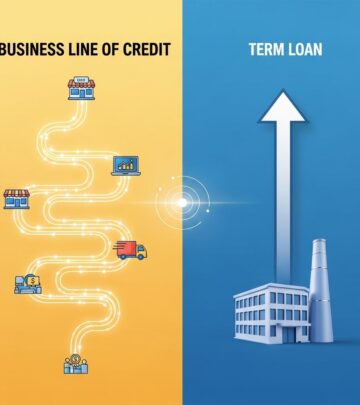
A business line of credit provides pre-approved access to funds, typically ranging from $10,000 to $500,000 depending on the lender and business qualifications. Unlike term loans that deliver a lump sum upfront, lines of credit remain open for ongoing use. Borrowers pay interest only on the drawn amount, and the available credit replenishes as repayments are made.
These facilities are ideal for managing variable expenses. Businesses can use them for inventory purchases, payroll during slow periods, or bridging gaps between invoicing and payments. Access methods vary: digital transfers via apps, checks, or debit cards linked to the line.
Key Advantages for Small Businesses
Business lines of credit deliver targeted benefits that support operational stability and growth. Here’s a breakdown:
- Flexible On-Demand Funding: Draw funds anytime without new applications, perfect for unpredictable cash needs.
- Interest Efficiency: Pay only on borrowed amounts, not the full limit, reducing costs compared to fixed loans.
- Cash Flow Stabilization: Cover seasonal dips, delayed payments, or emergencies to keep operations running.
- Credit Profile Enhancement: Responsible use builds business credit scores if reported to bureaus, unlocking better future financing.
- Lender Relationship Building: Timely repayments can lead to higher limits and improved rates over time.
Secured options, backed by assets like inventory or equipment, often yield lower rates and higher limits, while unsecured lines suit businesses without collateral.
Potential Drawbacks to Consider
While versatile, business lines of credit have limitations that require careful management:
- Variable Interest Costs: Rates can rise with market changes, increasing repayment burdens.
- Usage Fees: Annual fees, draw fees, or inactivity charges may apply, eroding savings.
- Temptation for Overuse: Easy access might encourage unnecessary borrowing, leading to debt cycles.
- Credit Score Impact: High utilization or missed payments harm business credit.
| Aspect | Pros | Cons |
|---|---|---|
| Funding Access | Revolving, on-demand | Limit caps borrowing |
| Costs | Interest only on used funds | Variable rates, fees |
| Credit Building | Positive payment history | Risk of damage from misuse |
| Flexibility | No reapplication needed | Maintenance required |
This comparison highlights the balance needed for effective use.
When a Business Line of Credit Fits Best
Opt for this financing in these scenarios:
- Short-term cash shortages from slow-paying clients or seasonal lows.
- Unexpected costs like equipment repairs or supply hikes.
- Growth opportunities requiring quick capital, such as bulk inventory buys.
- Building credit without large upfront loans.
- Businesses with steady revenue but irregular inflows.
Avoid if needing long-term fixed funding or unable to repay quickly, as ongoing interest accrues.
Secured vs. Unsecured: Choosing the Right Type
Secured Lines of Credit
These require collateral, offering lower rates (often 6-12% APR) and higher limits. Suitable for established businesses with assets. Lenders seize collateral if default occurs.
Unsecured Lines of Credit
No collateral needed, but rates are higher (10-20% APR) and limits lower. Ideal for newer firms or those preserving assets. Strong credit and revenue are key qualifiers.
Compare based on your risk tolerance and financial position.
Qualification Criteria Explained
Lenders evaluate:
- Business Age: Often 6 months to 2 years minimum.
- Annual Revenue: $100,000+ typically required.
- Credit Score: Personal FICO 600-680+; business scores if available.
- Debt Service Coverage: Ability to cover payments from cash flow.
Startups may qualify via online lenders with lenient standards.
Step-by-Step Application Process
- Assess Needs: Calculate required limit and repayment capacity.
- Compare Lenders: Review rates, fees, and terms from banks, credit unions, online platforms.
- Gather Documents: EIN, financial statements, tax returns, bank records.
- Submit Application: Online or in-branch; expect credit pulls.
- Underwriting Review: 1-7 days for approval.
- Sign and Activate: Set up access; funds available immediately upon draws.
Current Market Rates and Terms
As of recent data, expect:
| Type | Avg. APR | Typical Limit | Fees |
|---|---|---|---|
| Secured | 6-12% | $50K-$500K | 0-2% annual |
| Unsecured | 10-20% | $10K-$250K | 1-3% annual + draw fees |
Rates vary by creditworthiness and lender.
Strategic Management Tips
- Draw only essentials to minimize interest.
- Repay promptly to restore credit and avoid fees.
- Monitor utilization below 30% for optimal credit health.
- Track expenses to prevent dependency.
- Review terms annually for better offers.
Frequently Asked Questions
What is the difference between a business line of credit and a term loan?
Lines of credit are revolving with interest on drawn funds; term loans are lump sums with fixed repayments.
Can startups get a business line of credit?
Yes, via alternative lenders, though limits and rates may be higher.
Does using a line of credit build business credit?
Yes, if the lender reports to bureaus like Dun & Bradstreet.
Are there any fees besides interest?
Common: annual, origination, inactivity fees.
How quickly can funds be accessed?
Often same-day after approval via digital platforms.
Alternatives to Business Lines of Credit
- Business credit cards: Higher rates, rewards potential.
- Invoice financing: Advances on receivables.
- SBA loans: Government-backed terms.
- Merchant cash advances: Revenue-based, costly.
Choose based on cost, speed, and repayment fit.
References
- Pros And Cons Of Using A Business Line Of Credit — Bankrate. 2023-10-15. https://www.bankrate.com/loans/small-business/business-line-of-credit-pros-cons/
- Pros & Cons of a Business Line of Credit — Armed Forces Bank. 2024-05-20. https://www.afbank.com/article/pros-and-cons-of-a-business-line-of-credit
- Business Line of Credit: Definition, How It Works & More — CCU. 2023-11-08. https://www.ccu.com/learn/credit-basics/business-line-of-credit/
- 5 Reasons a Business Line of Credit Could Be Just What You Need — ESL Federal Credit Union. 2024-02-14. https://www.esl.org/resources-tools/business-support/borrowing-for-your-business/five-reasons-to-use-a-bloc
- Benefits of Lines of Credit for Small Businesses — FVCbank. 2024-01-22. https://www.fvcbank.com/blog/benefits-of-lines-of-credit-for-small-businesses/
- How a business line of credit works — Stripe. 2024-03-10. https://stripe.com/resources/more/business-line-of-credit
Similar Articles








Read full bio of medha deb