47 Fun & Profitable Business Ideas for Kids
Inspire your child with simple, fun business ideas that build confidence, creativity, and lifelong money skills.
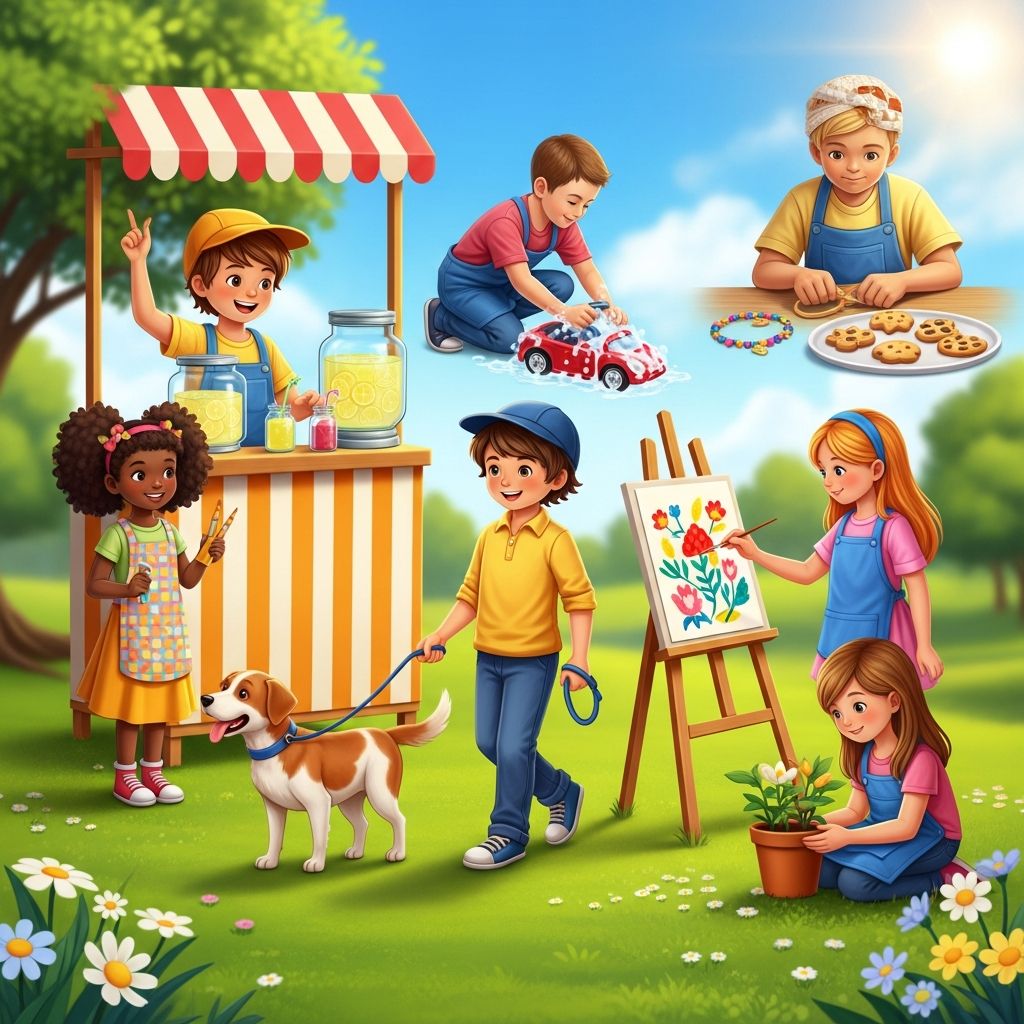
Helping kids start a small business is an excellent way to boost their confidence, creativity, and financial skills while they have fun and earn their own money. It also gives them real-world experience with responsibility, planning, and working with others.
This guide walks through 47 business ideas for kids, grouped by age and interest, plus tips to support them safely and wisely as they learn the basics of entrepreneurship.
Why Encouraging Kid Businesses Matters
When children run a small business, they naturally practice key money skills such as saving, budgeting, and making trade-offs. Research on financial education shows that learning early, in practical contexts, helps kids build stronger money habits that last into adulthood.
Beyond money skills, kid-friendly businesses can also help children:
- Build confidence by setting a goal and earning their own income
- Develop communication and customer service skills
- Practice problem-solving and creativity
- Learn about costs, profits, and reinvesting earnings
As a parent or caregiver, your role is to provide guidance, ensure safety, and help with areas that require adult oversight (such as online sales accounts, transport, or handling payments).
The Best Business Ideas for Kids Aged 6 to 11
Elementary-aged kids need business ideas that are simple, supervised, and mostly local. These ideas focus on creativity, basic services, and easy-to-sell products.
1. Baking
Kids who love the kitchen can bake cookies, cupcakes, or muffins to sell to neighbors, at family gatherings, or at supervised community events.
- Practice measuring, following instructions, and food safety
- Track ingredient costs to understand profit
- Sell with the help of an adult at bake sales or local events
2. Balloon Making
Children who enjoy making balloon animals can offer balloon twisting at birthday parties, school fairs, or community events.
- Charge per balloon or a flat fee per event
- Practice before events using videos or books
- Always use safe materials and supervise younger children
3. Bicycle Advertising
An older child who rides regularly can place small, safe signs or banners on their bike to advertise local businesses (with parental and local approval).
- Agree on a simple fee per week or month with local businesses
- Keep signage lightweight and safe for riding
- Limit to short, local routes that parents approve
4. Coloring Book Designer
Artistic kids can design their own coloring pages and compile them into simple coloring books.
- Create themed pages (animals, sports, holidays)
- Sell printed copies at events or share digital versions via an adult’s account
- Use basic design tools with parental supervision
5. Food Growing
Kids with access to a garden can grow herbs, fruits, or vegetables and sell them at a small stand or to neighbors.
- Learn about planting, watering, and seasonality
- Sell at a driveway stand or local market with an adult present
- Track expenses (seeds, soil) versus sales to see profit
6. Recycling Service
Environmentally minded kids can offer to sort and collect recyclables for neighbors who do not have curbside pickup or time to sort.
- Charge a modest fee per pickup or per month
- Use gloves and follow local recycling rules
- Discuss environmental impact to reinforce sustainability
7. Pet Walking or Playtime (With Supervision)
Animal-loving kids can earn money by playing with or walking small pets for trusted neighbors, with clear safety rules and adult oversight.
- Limit to familiar pets and short sessions
- Agree on times, tasks, and pay ahead of time
- Teach kindness and responsibility toward animals
8. Simple Chore Services
Children can offer basic tasks like watering plants, bringing in mail, or taking out trash for neighbors.
- Create a checklist for each customer
- Charge per task or weekly fee
- Encourage punctuality and reliability
9. Making Candy
Kids who prefer sweets to baked goods can make simple candies (like fudge or chocolate bark) to sell at supervised events.
- Always have an adult oversee cooking and packaging
- Label ingredients for allergy awareness
- Offer small sample sizes to attract buyers
10. Making Greeting Cards
Artistic children can design and create hand-made greeting cards for birthdays, holidays, or local events.
- Create card packs by theme (thank you, birthday)
- Sell in sets or individually
- Practice neat handwriting and simple design principles
11. Music-Making Performances
Musically talented kids can perform at community events, small shops, or family functions for a tip jar or small fee.
- Prepare a short, family-friendly set list
- Always have an adult present at performances
- Use these events to practice stage presence
12. Washing Cars
Car washing is a classic kid business that works well in neighborhoods with driveways and friendly neighbors.
- Offer basic washes with a price list
- Use eco-friendly soaps where possible
- Work in pairs or with siblings for safety and efficiency
13. Soap Making
Crafty kids can create simple melt-and-pour soaps with fun shapes and scents, then sell them as gifts or at local markets.
- Use kid-safe, pre-made soap bases with adult help
- Package attractively with labels and ingredients
- Sell as part of gift sets during holidays
14. Bookmark or Sticker Design
Children who like drawing or digital art can design bookmarks or stickers and sell them to classmates or at events.
- Create themed sets for readers, gamers, or sports fans
- Laminate bookmarks for durability
- Bundle items to increase average sale
15. Toy or Book Lending Library
Organized kids can set up a simple neighborhood toy or book lending library for a small membership fee or donation.
- Track check-outs in a notebook or spreadsheet
- Set clear rules about due dates and condition
- Use profits to expand the collection
Business Ideas for Preteens and Teens
As kids grow into preteens and teens, they can take on more complex tasks, handle more responsibility, and use technology more independently. These ideas suit kids roughly 12 and up, depending on maturity and local laws.
16. Babysitting Helper or Mother’s Helper
Preteens can start by being a helper while a parent is still at home, then transition into full babysitting as they mature and complete a safety course.
- Take a local babysitting or first aid course where available
- Start with families you know well
- Agree on rate, hours, and tasks clearly in advance
17. Lawn Mowing and Yard Care
Teens can mow lawns, rake leaves, pull weeds, or shovel snow for neighbors.
- Offer package deals (weekly mowing + edging)
- Maintain equipment safely and follow safety rules
- Advertise with simple flyers or word of mouth
18. Tutoring Younger Students
Strong students can tutor younger kids in subjects like math, reading, or foreign languages.
- Focus on subjects they excel in at school
- Offer short sessions after school or on weekends
- Use simple lesson plans and practice problems
19. Social Media Support for Local Businesses
Tech-savvy teens can help small local businesses create simple posts, photos, or short videos for social media (with adult guidance and clear boundaries).
- Limit platforms and set safety rules with parents
- Create a content calendar for the business owner
- Charge a monthly fee for a set number of posts
20. Photography for Events or Products
Teens with good phone or camera skills can offer basic photography for family events, pets, or product photos for local sellers.
- Practice composition and lighting beforehand
- Deliver digital files via a shared folder
- Charge per hour or per project
21. Clothing Designing
Fashion-minded teens can design and sell simple T-shirts, tote bags, or accessories using fabric paint, embroidery, or print-on-demand services.
- Test designs with friends and classmates first
- Use an adult’s account for any online platforms
- Calculate production cost before setting prices
22. Computer Support
Teens who are comfortable with technology can help neighbors with basic computer or device issues, such as setting up email, Wi-Fi, or apps.
- Offer a simple menu of services and prices
- Stay within their skill level; avoid complex repairs
- Always respect privacy and data security
23. Digital Design or Logo Creation
Teens familiar with design tools can create logos, flyers, or simple graphics for local clubs or small businesses.
- Build a small portfolio of practice designs
- Discuss revisions and deliverables upfront
- Charge a flat fee per project
24. Face Painting
Artistic teens can offer face painting at birthday parties, fairs, or community events.
- Use skin-safe, non-toxic paints
- Prepare a sample board of designs
- Charge per face or per event
25. Party or Event Helper
Teens can assist adults with party setup, serving, games, or clean-up.
- Offer a flat fee for a set number of hours
- Dress appropriately and be punctual
- Focus on being helpful and professional
26. Gift Wrapping
Teens who are neat and creative can offer gift wrapping services, especially around holidays and special occasions.
- Offer different wrapping tiers (basic, deluxe)
- Provide wrapping paper, ribbons, and tags
- Advertise early during peak seasons
27. Inventor
Some kids have a knack for spotting problems and coming up with creative solutions. Encourage them to sketch, prototype, and test their ideas.
- Document ideas in a notebook or digital file
- Use simple materials for early prototypes
- Discuss basic concepts like patents and intellectual property at an age-appropriate level
28. YouTube or Content Creation (With Strong Boundaries)
Older teens can create educational or hobby-based content, but this requires strict rules, parental oversight, and a clear focus on privacy and safety.
- Use screen names and avoid sharing personal details
- Focus on value-based content (tutorials, reviews)
- Let parents manage monetization and settings
29. Craft or Jewelry Making
Teens who love crafts can make friendship bracelets, earrings, or home décor to sell at local markets or online through an adult.
- Keep designs simple and affordable
- Package neatly with tags and care instructions
- Track which items sell best to refine offerings
30. Snack or Drink Stand Beyond Lemonade
Teens can upgrade the traditional lemonade stand to include snacks, hot chocolate in colder months, or pre-packaged treats (always following local food rules).
- Choose high-traffic, permitted locations
- Price items clearly and handle change accurately
- Set time limits to avoid burnout
31. Sports or Skills Coaching
Teens with strong skills in a sport or hobby can offer beginner lessons to younger kids, such as basic soccer drills or beginner piano.
- Plan structured sessions with clear goals
- Focus on encouragement and safety
- Check if any certifications or permissions are needed
32. House-Sitting and Pet-Sitting
Responsible teens can look after pets and homes while neighbors travel, including feeding pets, watering plants, and bringing in mail.
- Write down detailed instructions from the owner
- Communicate daily updates if agreed
- Charge per day or per visit
33. Tech Setup for Seniors
Teens can help older adults set up phones, tablets, video calls, or streaming services.
- Offer a patient, step-by-step approach
- Provide simple written instructions afterward
- Charge per visit or per device setup
34. Basic Video Editing
Kids comfortable with editing software can help family, friends, or small businesses edit simple videos.
- Start with small, low-pressure practice projects
- Agree on video length and style in advance
- Deliver files in agreed formats
35. Blog or Newsletter for a Niche Topic
Writing-oriented teens can create a blog or email newsletter around a topic they love, then earn later through ads or sponsorships (managed by an adult).
- Post consistently with helpful, original content
- Follow online safety rules and privacy protections
- Use simple analytics to see what readers like
36. Digital Printables or Templates
Teens can design planners, checklists, or worksheets that others can download and print.
- Create printable homework planners, chore charts, or budget sheets
- Sell via an adult’s online account
- Offer bundles for better value
37. Upcycling and Reselling Furniture
Older teens with tools and space can find old furniture, repair or repaint it, and resell for a profit.
- Learn basic safety for tools and paints
- Take good before-and-after photos
- Calculate total cost (including supplies and time)
38. Errand Running (Where Allowed)
Mature teens with a bike or car (where legal) may run basic errands for busy neighbors, such as small grocery pickups.
- Check local laws and parental rules first
- Keep receipts and handle money transparently
- Charge a flat fee per trip
39. Custom Digital Invitations or Party Printables
Creative teens can design birthday invitations, banners, and party signs.
- Offer printable files clients can print at home
- Provide a few editable fields for names and dates
- Charge per design or bundle
40. Reselling Items Online
Teens with an eye for deals can buy discounted items and resell them or flip their own unused items through adult-managed accounts.
- Focus on categories they understand (books, clothes, toys)
- Factor in shipping and platform fees
- Reinvest profits into new inventory
41. Seasonal Decorating Services
Teens can help neighbors put up and take down simple seasonal décor (non-hazardous areas only).
- Offer packages for different holidays
- Agree on what they will and will not do (e.g., no roof work)
- Take photos for future promotion
42. School Supply or Snack Packs
Entrepreneurial kids can assemble pre-packed school supplies or study snack kits for classmates.
- Buy supplies in bulk to reduce cost
- Offer themed packs (exam week, back-to-school)
- Get school permission if selling on campus
43. Simple App or Game Ideas (With Adult Support)
Tech-focused teens can brainstorm app or game concepts and use beginner-friendly tools to create simple versions.
- Start with small, focused features
- Test with friends and gather feedback
- Discuss basic coding concepts and privacy
44. Organizing Services
Teens who are naturally organized can help others tidy desks, closets, or school supplies.
- Work alongside the client (especially for kids)
- Use simple sorting systems and labels
- Charge per session or per room
45. Digital Note Summaries or Study Guides
High-achieving students can create and sell concise study guides or flashcards to classmates, making sure they follow school rules on academic honesty.
- Focus on clarity and organization
- Offer both digital and printable versions
- Never do others’ assignments for them
46. Subscription Goodie Bags
Kids can create small monthly goodie bags (stickers, stationery, small treats) for siblings or neighbors.
- Set a monthly price and theme
- Plan contents in advance to control costs
- Deliver on a consistent schedule
47. Chore Swap & Management Service
Organized kids can coordinate chore trades among friends or siblings, helping families track chores and small payments.
- Use a simple chart or app with parental approval
- Charge a small fee for managing the system
- Teach fairness and reliability
Teaching Kids to Manage the Money They Earn
A business is not just about making money; it is also about managing it. Experts recommend using real-life activities to teach kids about earning, saving, spending, and giving. Parents can help kids divide their earnings into simple categories, such as:
- Save: For future goals or emergency needs
- Spend: For small wants now
- Give: For causes and people they care about
Even simple tools like jars or envelopes can help kids visualize how they allocate their money. Once they are ready, you can introduce them to basic budgeting and saving in a youth bank account or custodial account.
Simple Budget Example for a Kid Business
| Item | Amount |
|---|---|
| Total earnings from one weekend | $40 |
| Set aside for supplies (reinvest) | $10 |
| Savings (long-term goal) | $15 |
| Giving/donations | $5 |
| Spending now | $10 |
This kind of breakdown helps children see how a business can support future goals while still allowing some fun spending today.
Safety, Legal, and Practical Tips for Parents
Before starting any kid business, parents should consider basic safety and legal points. Organizations that focus on youth entrepreneurship emphasize that child-run businesses should always be age-appropriate, supervised, and aligned with local rules.
- Check local regulations: Some areas have rules about selling food, operating stands, or going door-to-door.
- Set clear boundaries: Limit where kids can work, how they interact with customers, and what hours are acceptable.
- Supervise online activity: Any online sales or social media presence should be fully managed or closely monitored by an adult.
- Talk about privacy: Teach kids not to share full names, addresses, or personal details with customers or online.
- Focus on learning, not pressure: The goal is growth and experience, not perfection or high income.
Frequently Asked Questions (FAQs)
Q: What is a good first business idea for younger kids?
A: Simple, supervised ideas such as baking, a lemonade stand, or basic chore services work well for kids aged 6 to 11 because they are easy to understand, low-cost, and can be done close to home.
Q: How much should kids charge for their services?
A: Help them estimate costs (like supplies and time) and compare with what others charge locally. Start with modest prices, then adjust based on demand and feedback while keeping the focus on learning rather than maximizing profit.
Q: Do kids need a bank account for their business?
A: Not necessarily at first. Many families start with cash and simple jars or envelopes, then open a youth savings account or custodial account when kids are ready for more formal saving and money management.
Q: How can I make sure my child’s business is safe and legal?
A: Review local rules, supervise all in-person and online interactions, and set clear boundaries around locations, hours, and acceptable tasks. For activities like babysitting, consider formal training or courses where available.
Q: What if my child loses interest in their business?
A: Treat it as a learning experience. Talk about what they enjoyed and what they did not, and remind them that trying, adjusting, and even stopping a venture are all normal parts of entrepreneurship.
References
- Financial Education for Kids and Teens: What Works — Consumer Financial Protection Bureau (CFPB). 2020-04-01. https://files.consumerfinance.gov/f/documents/cfpb_youth-financial-education-research-project_literature-review.pdf
- Building Financial Literacy in Kids through Entrepreneurship — Kidpreneurs. 2023-01-10. https://kidpreneurs.org/financial-literacy-in-kids-entrepreneurship/
- Budgeting for Kids: How to Get Them Started — Clever Girl Finance. 2023-02-15. https://www.clevergirlfinance.com/budgeting-for-kids/
- Financial Literacy for Kids: How to Raise Them Well — Clever Girl Finance. 2022-09-20. https://www.clevergirlfinance.com/financial-literacy-for-kids/
- Encouraging Youth Entrepreneurship — OECD. 2019-11-30. https://www.oecd.org/cfe/leed/youth-entrepreneurship.htm
Similar Articles








Read full bio of medha deb