Business Cycle: Phases, Causes, and Economic Impact
Understanding business cycles: The recurring patterns of economic expansion and contraction.
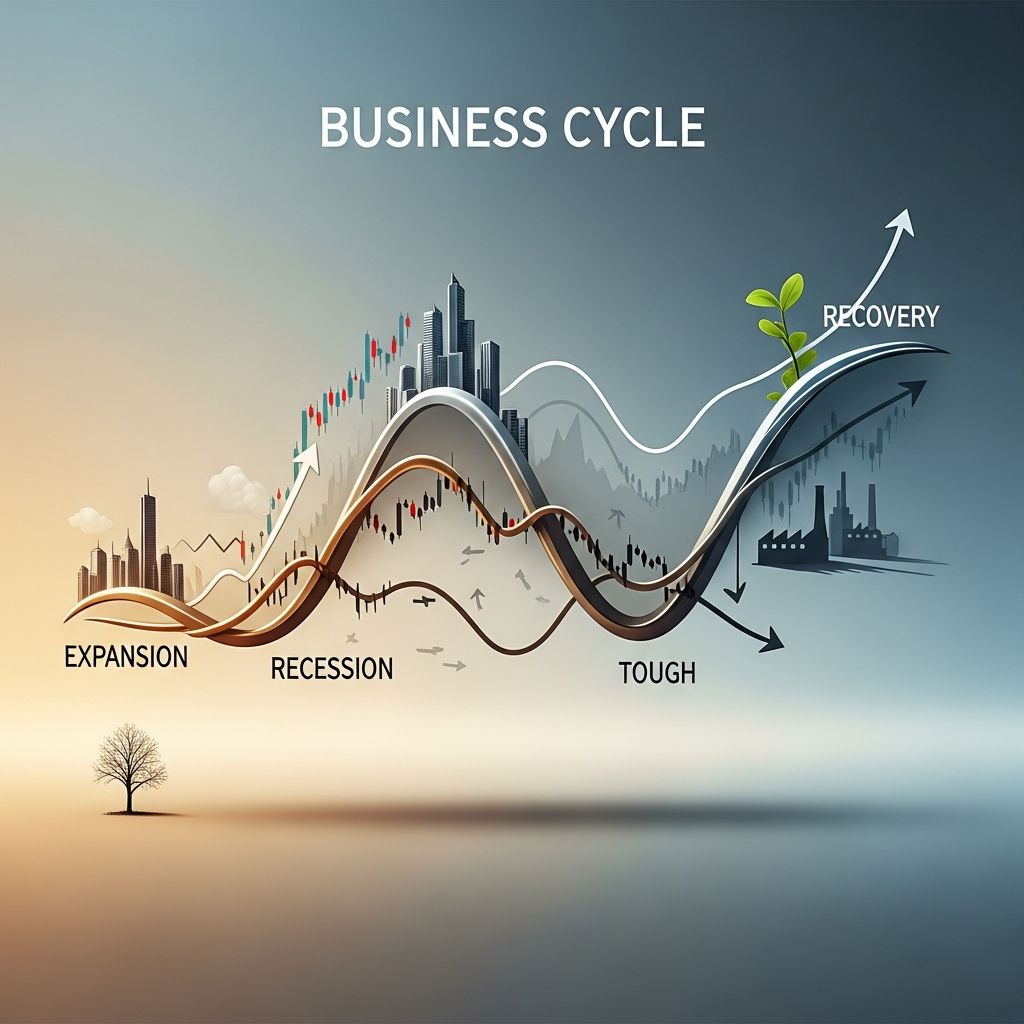
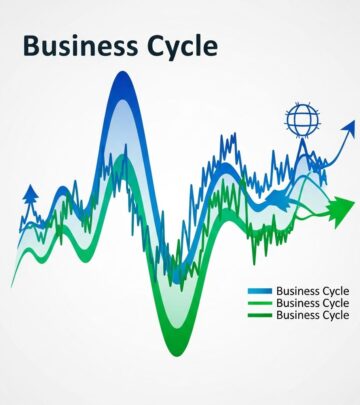
A business cycle represents the fluctuating pattern of economic growth and decline that occurs within capitalist economies. These recurring cycles reflect the natural rhythm of economic activity, characterized by periods of expansion followed by contraction. Understanding business cycles is essential for investors, policymakers, and business leaders seeking to navigate economic uncertainty and make informed decisions about resource allocation and investment strategy.
What Is a Business Cycle?
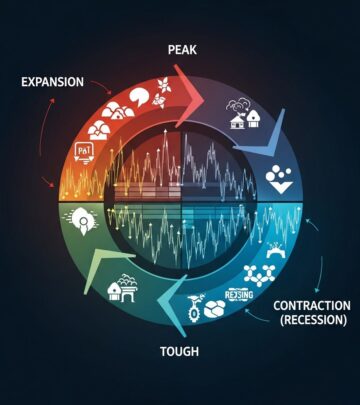
A business cycle refers to the alternating periods of economic growth and decline that an economy experiences over time. Rather than growing at a consistent rate, economies expand, reach a peak, contract, and then reach a trough before beginning the cycle anew. These cycles are measured by examining changes in Gross Domestic Product (GDP), employment levels, industrial production, and consumer spending patterns.
The business cycle is a fundamental characteristic of market-based economies. While the duration and intensity of cycles vary significantly, they remain an inevitable feature of economic systems. Economists have long studied these patterns to predict future economic conditions and develop policies aimed at smoothing out extreme fluctuations.
The Four Phases of the Business Cycle
The business cycle consists of four distinct phases, each characterized by unique economic conditions and trends:
1. Expansion (Growth Phase)
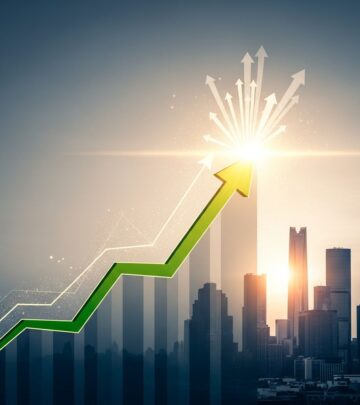
During the expansion phase, the economy experiences sustained growth in GDP, rising employment levels, and increasing consumer confidence. Businesses invest in new ventures, hire additional workers, and expand production capacity. Consumer spending increases as household incomes rise and unemployment falls. This phase is characterized by:
- Increasing corporate profits and business investment
- Rising stock market valuations
- Growing consumer purchasing power
- Declining unemployment rates
- Increased business optimism and investment in innovation
The expansion phase can last for several years, and during prolonged expansions, inflation may begin to accelerate as demand outpaces supply in certain sectors.
2. Peak (Boom Phase)
The peak represents the highest point of economic activity within a business cycle. At this stage, economic growth reaches its maximum, and the economy operates near full capacity. Employment is typically at or near full employment levels, and inflation may become concerning. Key characteristics of the peak phase include:
- Highest levels of GDP growth during the cycle
- Maximum employment levels
- Rising inflation pressures
- Potentially elevated asset prices
- Central banks may begin tightening monetary policy
The peak is typically brief, as the economy cannot sustain such high levels of activity indefinitely. Eventually, economic pressures build, and the transition to contraction begins.
3. Contraction (Recession)
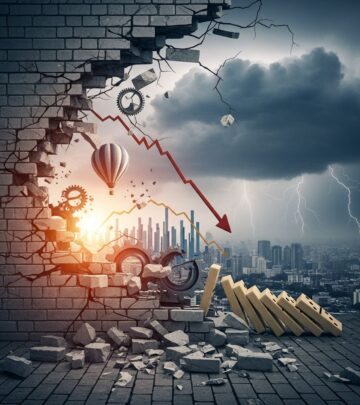
The contraction phase involves a slowdown in economic activity, characterized by declining GDP, rising unemployment, and reduced consumer spending. During this period, businesses cut costs, reduce investment, and may lay off workers. Consumer confidence declines, leading to decreased purchasing. This phase includes:
- Declining GDP growth or negative growth
- Rising unemployment rates
- Falling consumer confidence and spending
- Reduced business investment and production
- Potential deflation or disinflation
- Declining stock market performance
A recession is typically defined as two consecutive quarters of negative GDP growth. Extended contractions can develop into depressions, characterized by severe, prolonged economic decline.
4. Trough (Bottom)
The trough represents the lowest point of the business cycle, where economic activity reaches its minimum before recovery begins. At this stage, unemployment is typically highest, business investment is lowest, and consumer spending is most depressed. The trough marks the transition point from declining to expanding economic activity. Characteristics include:
- Lowest levels of economic activity
- Peak unemployment rates
- Minimal business investment
- Depressed asset prices creating buying opportunities
- Beginning of monetary stimulus or fiscal intervention
The trough is often the point where investors find attractive opportunities, as asset valuations reach discounted levels and the economy begins positioning for recovery.
Causes of Business Cycles
Economists have proposed various theories explaining why business cycles occur. These causes encompass both external shocks and internal economic dynamics:
Monetary Factors
Changes in money supply and interest rates significantly influence business cycle dynamics. When central banks lower interest rates and increase money supply, borrowing becomes cheaper, encouraging business investment and consumer spending. Conversely, higher interest rates and tighter monetary policy can slow economic activity. Boom-and-bust cycles often result from aggressive monetary expansion followed by necessary tightening.
Supply Shocks
External disruptions to productive capacity can trigger business cycle fluctuations. Oil price shocks, natural disasters, pandemics, or trade disruptions all qualify as supply shocks. These events reduce the economy’s ability to produce goods and services, leading to contraction regardless of demand levels.
Demand Fluctuations
Changes in consumer and business confidence drive demand-side business cycles. When consumers and businesses feel optimistic, they increase spending and investment, stimulating expansion. Negative sentiment triggers reduced spending, leading to contraction.
Credit and Financial Cycles
Availability and cost of credit significantly impact business cycles. Easy credit conditions encourage borrowing and investment, fueling expansion. Credit tightening can abruptly end expansions and accelerate contractions, as occurred during the 2008 financial crisis.
Investment Volatility
Business investment tends to be more volatile than consumption, amplifying economic cycles. During expansions, firms aggressively invest in capacity. When conditions deteriorate, investment collapses rapidly, intensifying downturns.
Business Cycle Duration and Variations
Business cycles vary significantly in both duration and severity. Some cycles last only a few years, while others span a decade or more. The expansion phase typically lasts longer than the contraction phase, though this relationship is not consistent. Modern business cycles in developed economies tend to be less severe than historical cycles, partly due to improved monetary policy and automatic stabilizers such as unemployment insurance.
Different countries experience business cycles at different times, creating opportunities and challenges in a globalized economy. International trade, capital flows, and coordinated policy responses increasingly synchronize business cycles across nations.
Business Cycles and Investment Strategy
Understanding business cycles is crucial for developing effective investment strategies. Different asset classes perform differently at various cycle stages:
Expansion Phase: Equities typically perform well as corporate earnings rise. Growth stocks and cyclical sectors like technology and consumer discretionary often outperform.
Peak Phase: Bond yields may rise as inflation pressures emerge. Investors may reduce equity exposure and seek defensive positions.
Contraction Phase: Defensive sectors like utilities and consumer staples typically outperform. Bonds may perform well as interest rates decline. Value stocks may offer attractive entry points.
Trough Phase: This phase often presents the best buying opportunities for long-term investors, as asset prices reach discounted levels and recovery appears imminent.
Government Policy and Business Cycles
Policymakers employ various tools to moderate business cycle extremes:
- Monetary Policy: Central banks adjust interest rates and money supply to stabilize economic activity
- Fiscal Policy: Governments implement tax changes and spending adjustments to influence demand
- Automatic Stabilizers: Unemployment benefits and progressive taxation automatically support demand during downturns
- Regulatory Measures: Financial regulations aim to prevent excessive credit expansion and systemic risks
Frequently Asked Questions (FAQs)
Q: How long does a typical business cycle last?
A: Business cycles vary in duration, typically lasting between 5-8 years on average in developed economies, though some cycles may last 2-3 years and others over a decade. The duration depends on underlying economic factors and policy responses.
Q: Can business cycles be prevented?
A: While business cycles cannot be eliminated, their severity can be moderated through effective monetary and fiscal policy. Modern economies have implemented automatic stabilizers and improved policy frameworks to smooth cyclical extremes.
Q: What is the difference between a recession and a depression?
A: A recession is typically defined as two consecutive quarters of negative GDP growth. A depression is a more severe and prolonged contraction, characterized by substantial economic decline lasting several years, significant unemployment, and widespread business failures.
Q: How do business cycles affect employment?
A: During expansions, employment increases as businesses hire workers to meet growing demand. During contractions, unemployment rises as businesses reduce workforce sizes. Employment typically lags GDP changes, with job losses continuing after economic recovery begins.
Q: Which sectors are most affected by business cycles?
A: Cyclical sectors like technology, consumer discretionary, industrials, and materials are most sensitive to business cycle fluctuations. Defensive sectors like utilities, healthcare, and consumer staples experience smaller variations during cycles.
Q: How can investors prepare for different business cycle phases?
A: Investors can employ tactical asset allocation adjusting portfolio composition based on cycle expectations. Defensive positioning during late expansions and early contractions, with increased equity exposure during troughs, can optimize risk-adjusted returns across cycles.
References
- Business Cycles and Economic Growth — National Bureau of Economic Research (NBER). 2024. https://www.nber.org/cycles
- Monetary Policy and the Business Cycle — Board of Governors of the Federal Reserve System. 2024. https://www.federalreserve.gov
- Understanding the Business Cycle — U.S. Bureau of Economic Analysis (BEA). 2024. https://www.bea.gov
- International Business Cycles — International Monetary Fund (IMF). 2024. https://www.imf.org
- Economic Indicators and Cycle Analysis — Organization for Economic Co-operation and Development (OECD). 2024. https://www.oecd.org
Similar Articles








Read full bio of Sneha Tete