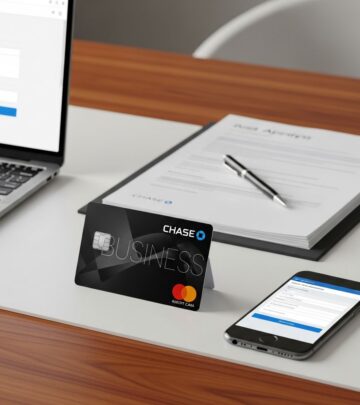
Qualifying for Business Credit Cards: Requirements and Application Steps
Learn eligibility criteria, documentation needs, and strategic tips for securing a business credit card.

Business credit cards serve as essential financial tools for entrepreneurs and company owners seeking to manage operational expenses, establish distinct business credit profiles, and optimize cash flow management. Unlike personal credit cards, business credit cards are specifically designed to accommodate the financial needs of enterprises ranging from solo freelancers to established organizations. Understanding the qualification process can significantly improve your chances of approval and help you select the right card for your business’s unique requirements.
Understanding Who Can Apply for a Business Credit Card
The eligibility landscape for business credit cards is broader than many entrepreneurs realize. You don’t necessarily require a formally registered corporation or substantial years of operational history to qualify. The definition of a business owner extends to freelancers, independent contractors, self-employed professionals, and gig economy participants. Whether you operate a home-based business, sell services through social media platforms, or manage a traditional brick-and-mortar establishment, you may be eligible to apply.
Sole proprietors, partnerships, limited liability companies (LLCs), and corporations all represent viable business structures for credit card eligibility. The credit card industry has evolved to recognize that business ownership takes many forms in today’s economy. Even if you’re just beginning your entrepreneurial journey or haven’t yet generated significant revenue, you can still explore business credit card options.
Core Financial and Credit Requirements
While business structures vary, credit card issuers consistently evaluate several key financial indicators when processing applications. These requirements serve as benchmarks to assess your financial responsibility and business stability.
Personal Credit Score Standards
Your personal credit score remains a critical evaluation factor, even for established businesses. Most credit card issuers require a personal credit score in the “fair” range,typically falling between 580 and 660. Many business owners successfully obtain approval with lower initial credit limits if their scores fall within this range. Some card providers may approve applicants with scores below 580, though terms and available credit limits may be less favorable. Building and maintaining a strong personal credit history strengthens your application and positions you for better card offers and terms.
Business Revenue and Financial Stability
Lenders assess your business’s financial health by examining annual revenue and projected monthly expenses. Banks want assurance that your company operates in a financially stable manner and that you make prudent financial decisions. If your sales have remained consistent and you successfully cover both business and personal expenses without difficulty, you likely meet this requirement. Notably, if your business hasn’t generated revenue yet, some issuers accept applications with zero annual revenue, particularly for newly launched enterprises.
Essential Documentation and Information Requirements
Preparing comprehensive documentation before applying streamlines the approval process and reduces the likelihood of application rejection due to missing information. Organized applicants typically experience faster processing times and more favorable outcomes.
Business Information
Credit card issuers require fundamental details about your operation:
- Legal business name and the desired name for your card
- Physical business address and contact information
- Business type and industry classification
- Years of business operation
- Number of current employees (excluding yourself)
- Business structure documentation confirming your entity type
Personal Identification and Financial Details
Issuers will request personal information to verify your identity and assess creditworthiness:
- Full legal name and date of birth
- Social Security Number (SSN)
- Home address and contact information
- Personal phone number and email address
Tax and Financial Documentation
Depending on your business structure and operational history, you may need to provide:
- Employer Identification Number (EIN), or SSN for sole proprietors
- Recent tax returns documenting business income
- Business bank statements showing account activity
- Business credit report if your company has been operating for several years
- A business plan or financial projections for newly launched ventures
Ensuring all documentation is current and accurate prevents application delays and rejection. Outdated or incomplete information can result in denial, so verify everything before submission.
Special Considerations for New and Emerging Businesses
Entrepreneurs launching new ventures often wonder whether their lack of business history disqualifies them from business credit card approval. The answer is more nuanced than a simple yes or no.
Newly Formed LLCs and Startups
New LLCs can qualify for business credit cards, though approval typically depends significantly on the business owner’s personal credit score and financial history. Newly-formed businesses lack an established credit profile, prompting issuers to require a personal guarantee. This means the business owner assumes personal responsibility for the card balance, essentially backing the credit line with personal creditworthiness.
Even if your business hasn’t generated revenue, many issuers will consider your application. Your personal financial history becomes the primary evaluation criteria during these early stages. Once you obtain a card, establishing a positive payment history creates the foundation for independent business credit, potentially enabling more favorable terms on future financial products.
Building Business Credit as a New Business Owner
New business owners should prioritize responsible credit card usage to establish a strong business credit profile. Making timely payments and using the card responsibly demonstrates financial discipline to future lenders. This proactive approach to credit building can facilitate future loan applications and business financing opportunities.
How to Position Your Application for Success
Assess Your Business Needs Before Applying
Evaluating your specific business requirements before beginning the application process ensures you select an appropriate card and demonstrate clear intent to the issuer. Consider whether you primarily need to cover day-to-day expenses, make large purchases, build credit, or earn rewards. Your intended use case influences which card features prove most valuable and helps the issuer understand your financial management approach.
Gather and Organize Documentation Early
Collecting necessary documents before initiating your application accelerates the process significantly. Having everything prepared prevents delays caused by incomplete submissions and demonstrates your organizational preparedness to the issuer. Organized applicants often receive faster approval decisions.
Review Your Personal Credit Report
Before applying, obtain your personal credit report and verify its accuracy. Dispute any errors you discover, as inaccurate information can negatively impact your application. A strong personal credit profile substantially improves your approval prospects and influences available credit limits and interest rates.
Consider Multiple Card Options
Different cards serve different business sizes and purposes. Freelancers may prefer simple cards that separate business and personal spending, while growing companies might benefit from cards offering comprehensive expense reporting and employee card capabilities. Researching multiple options helps you identify the best fit for your operational requirements.
Common Application Questions Answered
Do I need an existing business registration to qualify?
No formal registration is required to apply for a business credit card. Sole proprietors, partnerships, and freelancers can all qualify even without formal business incorporation. However, having an EIN, while helpful, isn’t strictly mandatory.
Can I apply without any employees?
Absolutely. Most credit card providers don’t require any employees for approval. Freelancers, gig workers, home-based businesses, and solo practitioners easily qualify despite having no payroll employees.
What happens if my business has zero revenue?
Many issuers accept applications from businesses with zero annual revenue, particularly startups. Your personal credit history and financial responsibility become the primary evaluation criteria in these situations.
Do I need existing business credit to qualify?
No. Many lenders evaluate your personal credit score and history, making existing business credit unnecessary for approval. You can establish business credit through the responsible use of a newly approved card.
What business expenses can I charge to my card?
Business credit cards accommodate diverse operational expenses, including office supplies and equipment, inventory and raw materials, business travel, utility bills, advertising, and professional services such as legal or consulting fees.
The Application Process Explained
Once you’ve determined your eligibility and gathered necessary documentation, the actual application process is straightforward. Most issuers offer online applications requiring 15–30 minutes of your time.
You’ll provide business information, personal details, tax identification numbers, and financial data through a secure online form. The issuer reviews your application, evaluates your creditworthiness, and notifies you of their decision. Approval decisions may come within minutes or require a few business days, depending on the issuer’s process.
Upon approval, you’ll receive information about your credit limit, interest rate, fees, and card benefits. Some issuers may request additional documentation before finalizing approval. Once you receive your card, activate it according to the issuer’s instructions and begin using it for eligible business expenses.
Making Your Business Credit Card Work for You
After obtaining your business credit card, treating it as a strategic financial tool rather than merely a purchasing convenience ensures maximum value. Establish a repayment plan if you’re financing a significant expense through the card. Paying your balance on time consistently demonstrates financial responsibility and builds positive business credit history. This disciplined approach facilitates future loan applications and can improve available credit terms.
Using your business credit card responsibly creates the foundation for your company’s independent credit profile. Over time, a strong payment history enables your business to access financing based on its own creditworthiness rather than solely your personal credit. This separation of personal and business credit provides important financial protection and demonstrates institutional strength to potential lenders and business partners.
References
- A Complete Guide on Getting Your Business Credit Card — PNC Bank. 2024. https://www.pnc.com/insights/small-business/manage-business-finances/complete-guide-getting-business-credit-card.html
- How to Qualify and Apply for Small Business Credit Card — WaFd Bank. 2024. https://www.wafdbank.com/articles/small-business/how-to-qualify-apply-small-business-credit-card
- How Do I Get a Business Credit Card? — Bank of America. 2024. https://business.bankofamerica.com/en/resources/how-do-i-get-a-business-credit-card
- Small Business Credit Card: A Guide for SMBs — Hello Alice. 2024. https://helloalice.com/small-business-credit-card-guide/
- Know when to apply for a small business credit card — U.S. Bank. 2024. https://www.usbank.com/business-banking/business-resource-center/know-when-to-apply-for-small-business-credit-card.html
- 5 Simple Steps to Getting a Business Credit Card — First Hope Bank. 2024. https://www.firsthope.bank/5-simple-steps-to-getting-a-business-credit-card/
- How to Get a Business Credit Card — Wells Fargo. 2024. https://creditcards.wellsfargo.com/how-to-get-a-business-credit-card/
- Who Can Apply for a Business Credit Card? — Chase Bank. 2024. https://www.chase.com/personal/credit-cards/education/basics/who-can-apply-for-a-business-credit-card
- Establish business credit — U.S. Small Business Administration. 2024. https://www.sba.gov/business-guide/plan-your-business/establish-business-credit
Similar Articles








Read full bio of medha deb