Business Checks Vs Personal Checks: Key Differences
Discover key differences between business and personal checks to streamline your finances, simplify taxes, and enhance professionalism in every transaction.
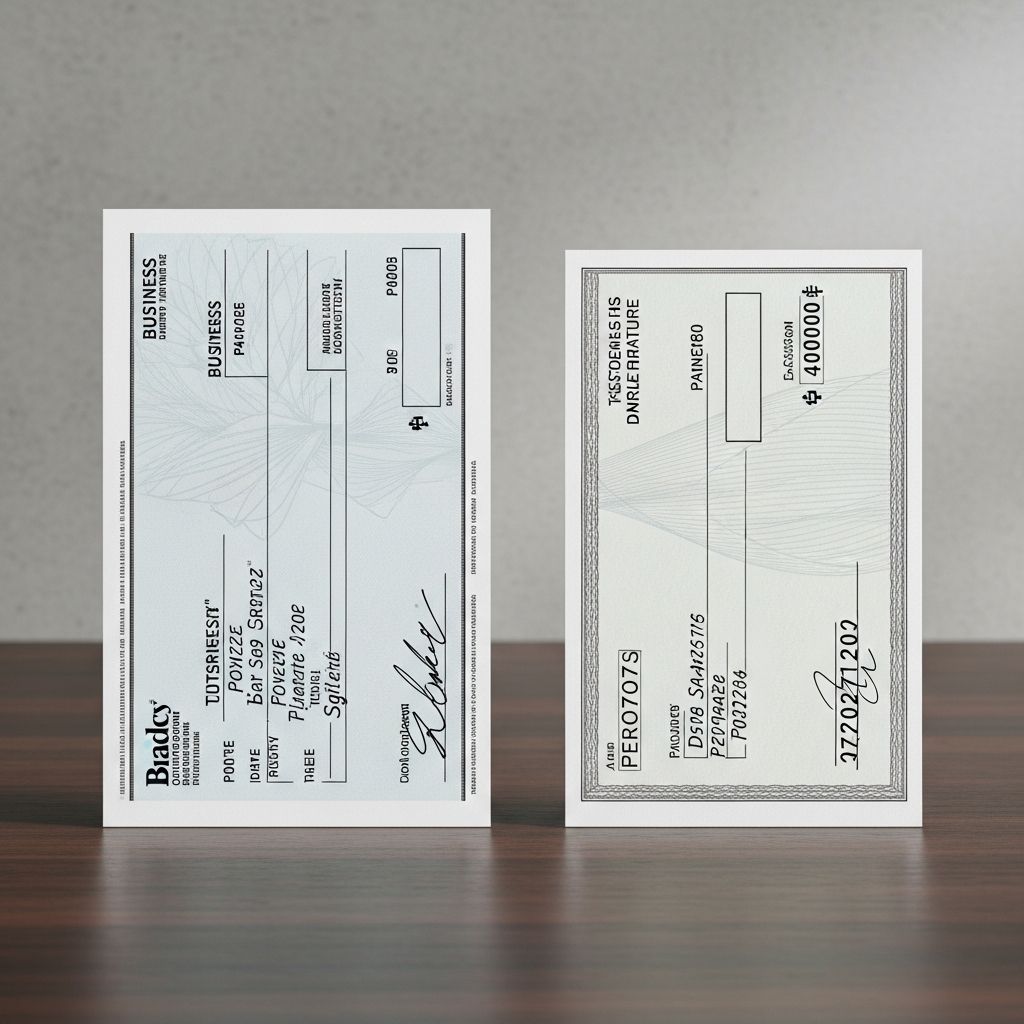
Understanding the nuances between
business checks
andpersonal checks
is crucial for anyone handling both professional and private finances. While both serve as reliable payment tools, their design, purpose, and implications differ significantly, affecting everything from daily transactions to long-term tax compliance.Defining the Core Purposes
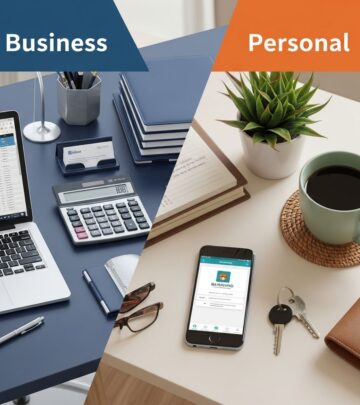
**Business checks** draw funds directly from a dedicated business checking account, designed to manage operational cash flow. These checks accommodate higher transaction volumes and larger amounts, supporting expenses like supplier invoices, employee salaries, and equipment purchases.
In contrast,
personal checks
link to individual checking accounts for everyday needs such as household bills, grocery shopping, or personal debt repayments. Their simplicity suits smaller, infrequent uses without the complexity of corporate accounting.Physical Characteristics and Design Elements
Business checks typically measure larger—often 6×8.5 inches—allowing space for company logos, detailed memo fields, and multiple authorization lines. This size facilitates compatibility with accounting software and ledger systems, streamlining record-keeping.
Personal checks, usually 6×2.75 inches in booklet form, prioritize portability for wallet storage. They feature basic layouts with individual names and addresses, lacking the expansive fields needed for business notations.
| Feature | Business Checks | Personal Checks |
|---|---|---|
| Size | Larger (e.g., 6×8.5″) | Smaller (e.g., 6×2.75″) |
| Design | Logo, business address, multi-signer lines | Individual name, basic fields |
| Portability | Less portable, often in binders | Wallet-friendly booklets |
Advanced Security Measures
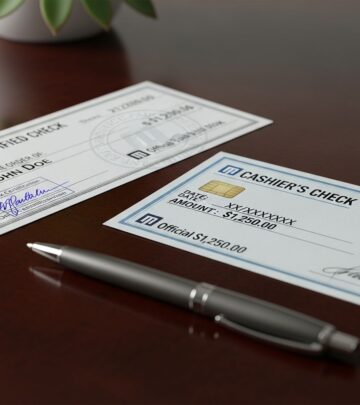
Due to higher values and fraud risks, business checks incorporate robust protections like holographic images, chemical-sensitive paper, watermarks, and heat-reactive ink. These deter tampering and forgery, vital for substantial payments.
Personal checks offer standard safeguards such as microprinting and basic watermarks but fewer layers overall. While sufficient for routine use, they may hold lower deposit limits at merchants.
- Holograms and Foils: Prevent photocopying on business checks.
- Chemical Sensitivity: Reveals alterations under bleach or erasers.
- Void Pantographs: Display ‘VOID’ when scanned illegally.
Typical Applications in Practice
Ideal Uses for Business Checks
Deploy business checks for operational necessities to maintain clear financial trails:
- Employee payroll processing, including direct wages and benefits.
- Vendor and supplier payments for goods or services.
- Government remittances like federal taxes or regulatory fees.
- Office overheads including rent, utilities, and insurance premiums.
- Capital investments in inventory, machinery, or marketing campaigns.
Common Scenarios for Personal Checks
Reserve personal checks for private matters to avoid commingling funds:
- Residential rent or mortgage installments.
- Monthly utility bills for home electricity or water.
- Grocery purchases or charitable donations.
- Personal loan repayments or medical copays.
Risks of Cross-Purposes Usage
Employing personal checks for business outlays—or vice versa—invites complications. Many bank agreements explicitly ban business use of personal accounts, risking account closure.
Financial blending obscures expense categorization, inflating tax preparation efforts and audit exposure. For structured entities like LLCs, it erodes liability protections, potentially exposing personal assets to business creditors.
Professionally, receiving a personal check from a vendor signals disorganization, undermining trust with partners or staff.
Tax and Legal Imperatives
Maintaining distinct accounts simplifies IRS compliance. Business deductions require verifiable separation; mixed records complicate proving legitimacy, especially for home-based operations.
Separate ledgers facilitate precise Schedule C filings for sole proprietors and shield personal returns from business scrutiny. During audits, clear check trails expedite validation.
Legally, corporations and partnerships mandate segregated funds to uphold limited liability. Breaches via check misuse could pierce the corporate veil.
Banking and Processing Distinctions
Business checks often face extended clearance periods due to elevated amounts, with banks verifying funds to mitigate bounces. Personal checks process faster for modest sums.
Multiple authorized signers on business checks—owners or managers—enable flexible approvals, unlike personal checks limited to account holders.
Cashing protocols differ: business checks may require payee verification or endorsements, reflecting their commercial scale.
Strategic Advantages of Dedicated Business Accounts
Beyond checks, business accounts unlock tailored services:
- Higher transaction limits and overdraft protections.
- Integrated payroll and wire transfer capabilities.
- Enhanced loan eligibility through proven transaction history.
- Professional image via branded payment instruments.
Even sole proprietors gain from early separation, fostering scalable habits and investor confidence.
Selecting and Ordering Checks
Choose vendors offering MICR-compliant magnetic ink for automated processing. Business options include laser-compatible formats for high-volume printing.
Customize with security suites matching risk profiles. Bulk ordering reduces costs for frequent users, while personal booklets emphasize convenience.
Frequently Asked Questions
Can sole proprietors use personal checks?
Technically possible but discouraged; it muddies tax deductions and violates many account terms. Opt for a business account promptly.
Are business checks more expensive?
Initial costs may exceed personal checks due to security, but volume discounts and fraud prevention yield long-term savings.
How do I transition to business checks?
Open a business account, transfer funds, order customized checks, and update vendors/payroll systems. Consult your bank for seamless migration.
Do digital payments replace checks?
While ACH and apps rise, checks persist for legal, international, or elderly payee needs, especially in B2B.
What if a business check bounces?
Fees apply, plus reputational harm. Maintain buffers and reconcile regularly to prevent.
Best Practices for Optimal Use
Implement dual-account discipline from inception. Reconcile monthly, leverage software for tracking, and train staff on protocols. Periodically review security features amid evolving threats.
For startups, pair checks with digital tools for hybrid efficiency, ensuring all paths uphold separation.
References
- Business Checks vs. Personal Checks: What’s the difference? — Relay Financial. 2023-05-15. https://relayfi.com/blog/business-checks-vs-personal-checks/
- What is a Personal Check vs. a Business Check? — OneMain Financial. 2024-02-10. https://www.onemainfinancial.com/resources/money-management/business-checks-vs-personal-checks
- Guide to Business Checks vs Personal Checks — SoFi. 2023-11-20. https://www.sofi.com/learn/content/business-checks-vs-personal-checks/
- Business Checks vs. Personal Checks: Key Differences — TechChecks. 2024-01-05. https://www.techchecks.net/resources/how-are-business-checks-different-than-personal-checks
- Business Checks vs. Personal Checks — TD Bank. 2023-08-12. https://www.td.com/us/en/personal-banking/learning/business-check-vs-personal-check
Similar Articles








Read full bio of Sneha Tete