Business Cards for Personal Spending: Risks and Rules
Discover if using a business credit card for everyday personal buys is wise, and explore the hidden pitfalls that could cost you dearly.

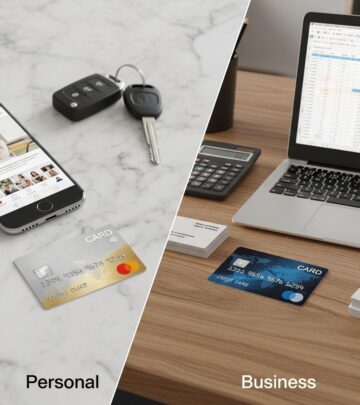
Many entrepreneurs and freelancers wonder whether their business credit card can double as a personal spending tool. While technically possible, this practice carries significant downsides that affect finances, legal standing, and business health. This guide breaks down the realities, consequences, and smarter alternatives to keep your operations smooth.
Understanding the Legal Boundaries
No federal or state law outright bans charging personal items to a business credit card. Business and personal cards operate under different regulatory frameworks, but personal use doesn’t trigger criminal charges on its own.
However, card issuers embed strict language in agreements. For instance, providers like Capital One and Chase require cards to serve ‘business or commercial purposes only,’ excluding personal, family, or household needs. Violating this isn’t a crime but breaches your contract, opening doors to issuer actions.
The line blurs only in extreme cases, such as deliberate fraud or tax dodging, where prosecutors might intervene. For everyday slips, the focus remains on contractual remedies rather than courts.
Key Consequences of Mixing Finances
Regular personal charges create ripples across multiple areas. Here’s a breakdown:
- Account Restrictions: Issuers monitor spending patterns. Non-business transactions can prompt warnings, temporary holds, or full closures, stripping access to credit lines and rewards.
- Credit Score Damage: Business cards report to commercial bureaus, but personal guarantees tie activity to your personal FICO score. High utilization from groceries or vacations signals risk, hiking rates or blocking future approvals.
- Lost Protections: Unlike personal cards under the CARD Act, business cards skip billing dispute safeguards, grace periods, and rate caps. A faulty purchase leaves you exposed.
- Liability Exposure: LLC or corporation owners rely on asset shields. Commingling funds weakens this ‘corporate veil,’ letting creditors pursue personal holdings for business debts.
Occasional errors rarely trigger flags, but patterns do. One issuer even emailed users reminding them of business-only rules to preserve consumer safeguards.
Tax and Accounting Nightmares
Separating expenses simplifies IRS compliance. Personal charges muddle deductions, inflating audit risks. Bookkeepers struggle to isolate reimbursable costs, skewing profitability reports.
| Issue | Business-Only Card | Mixed-Use Card |
|---|---|---|
| Tax Deductions | Clear business claims | Disputed personal items rejected |
| Audit Risk | Low, organized records | High, commingled proof needed |
| Funding Applications | Strong financials shown | Weakened by blurred data |
| Bookkeeping Time | Efficient categorization | Hours of manual sorting |
Mixing complicates loans or grants, as lenders demand pristine statements. Tax pros note that filtered personal spends still distort analytics, hiding true performance.
Issuer Policies in Focus
Review your card’s fine print. Common stipulations include:
- Ink Business Cash: ‘Used only for business purposes’ per Visa terms.
- Business Platinum from Amex: All-caps mandate for commercial use.
- Spark Cash Plus: Solely business, no personal allowed.
Even side-hustlers or sole proprietors sign personal guarantees, making balances your responsibility regardless. Chase once alerted customers: business cards lack consumer protections, urging personal cards for household buys.
Handling Accidental Charges
Mistakes happen—grabbing the wrong wallet at checkout. Act fast:
- Flag the Transaction: Categorize as personal in accounting software immediately.
- Notify Issuer: Call support to document the error; some reimburse or adjust.
- Reimburse Business: Transfer funds from personal accounts promptly, recording the repayment.
- Update Records: Exclude from business reports to maintain accuracy.
These steps minimize fallout, preserving rewards and standing. Automation tools like expense trackers help prevent repeats.
Building Better Financial Habits
Dual cards beat commingling. Assign business for operations, personal for life:
- Wallet Separation: Color-code or label cards physically.
- Digital Wallets: Set app defaults to match purpose.
- Alerts: Enable notifications for unusual spends.
- Team Cards: Issue employee limits for business only.
Freelancers benefit too—personal cards earn consumer perks on non-deductibles. Track via apps integrating bank feeds for real-time splits.
Pros and Cons at a Glance
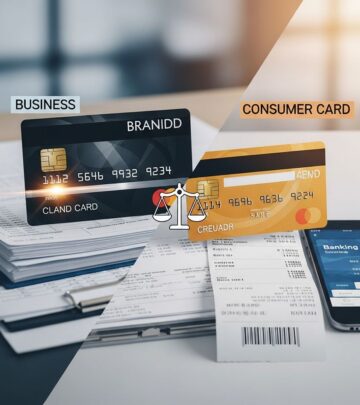
| Aspect | Pros of Mixing | Cons of Mixing |
|---|---|---|
| Convenience | One card handy | Rewards forfeited, risks high |
| Rewards | Potential double-dip | Clawbacks on personal |
| Protections | None notable | Missing CARD Act benefits |
| Compliance | Quick spends | Tax, audit headaches |
Convenience fades against long-term costs. Pure separation yields clarity and security.
Frequently Asked Questions
Can sole proprietors use business cards personally?
Yes, but terms prohibit it. As your own guarantor, risks amplify.
What if I reimburse the business?
Documentation helps, but issuers may still flag patterns. Reimbursement doesn’t erase violations.
Do all issuers enforce strictly?
Enforcement varies; some overlook minor slips, others scan rigorously.
Impact on business credit building?
Mixed use dilutes profiles, hurting scores and vendor terms.
Alternatives for hybrid spenders?
Get charge cards with flexible rewards or dual-category accounts.
Long-Term Strategy for Financial Health
Maintain separation to thrive. Review statements monthly, audit categories quarterly. Consult accountants for setups like sole prop vs. LLC, tailoring protections. Tools from providers streamline compliance, turning potential pitfalls into strengths.
Ultimately, disciplined use unlocks business card perks—higher limits, rewards, reporting—without personal bleed. Prioritize structure for sustainable growth.
References
- Can You Use a Business Credit Card for Personal Expenses? — Ramp. 2023. https://ramp.com/blog/can-you-use-business-credit-card-for-personal-use
- Can You Get a Business Credit Card Without a Business? — NerdWallet. 2024-02-06. https://www.nerdwallet.com/business/credit-cards/learn/business-credit-card-with-no-business
- Is It Illegal To Use A Business Credit Card For Personal Expenses? — Bankrate. 2024. https://www.bankrate.com/credit-cards/business/using-business-credit-card-for-personal-expenses/
- Can you use a business credit card for personal expenses? — The Points Guy. 2023. https://thepointsguy.com/credit-cards/personal-expenses-on-business-credit-card/
- Can You Use a Personal Credit Card for Business? — BILL. 2024. https://www.bill.com/blog/using-personal-credit-card-for-business
Similar Articles








Read full bio of Sneha Tete