Business Cards and Personal Credit Impact
Discover how business credit cards can influence your personal credit score and strategies to manage risks effectively.
Business credit cards provide essential financing for small enterprises, but they often intersect with personal finances in unexpected ways. Many issuers require personal guarantees, and some report activity to consumer bureaus, directly influencing individual credit profiles.
Understanding Credit Profiles: Business vs. Personal
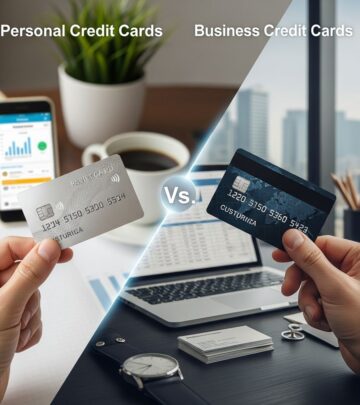
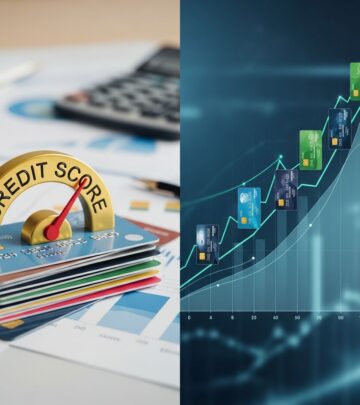
Personal credit scores, calculated by agencies like Experian, Equifax, and TransUnion, reflect individual borrowing behavior using factors such as payment history, credit utilization, length of history, new credit, and credit mix. Scores typically range from 300 to 850, with higher values signaling lower risk to lenders.
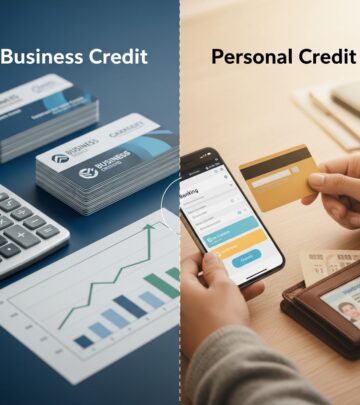
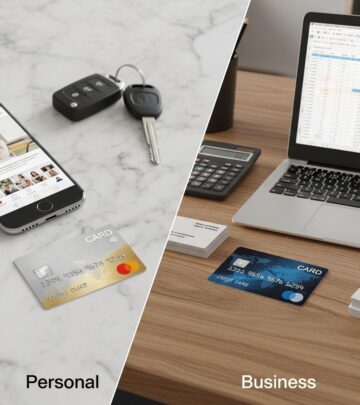
Business credit scores operate separately, issued by bureaus like Dun & Bradstreet, Experian Business, and Equifax Business. These evaluate company-specific metrics including payment history, trade lines, public records, and industry risk. Ranges vary—some 0-100, others 0-300—lacking the uniformity of personal scores.
Despite separation, overlaps occur. Small business owners frequently provide personal guarantees, tying repayment to individual assets. This blurs lines, especially when issuers pull personal credit reports during applications.
Key Mechanisms Linking Business Cards to Personal Scores
Several pathways connect business card usage to personal credit outcomes. Recognizing these helps owners anticipate effects.
Hard Credit Inquiries During Applications
Applying for a business card triggers a hard inquiry on your personal credit report, as most issuers review individual histories for small businesses. This temporary dip—often 5-10 points—lasts up to a year but fades within months. Multiple applications amplify the impact, so timing matters.
Personal Guarantees and Liability
Nearly all small business cards demand a personal guarantee, obligating the owner to cover debts if the business defaults. This legal tie means unpaid balances can pursue personal assets, appearing on credit reports via collections. Even without routine reporting, delinquencies bridge the gap.
Reporting Practices by Issuers
Not all cards report to personal bureaus. Traditional issuers like Capital One routinely share activity—positive and negative—affecting utilization and payment history. Others, like some corporate programs (e.g., Brex), avoid personal reports entirely, isolating business activity. Check issuer policies beforehand.
| Issuer Type | Reports to Personal Bureaus? | Personal Guarantee? | Potential Impact |
|---|---|---|---|
| Traditional Small Business (e.g., Chase, Citi) | Often on delinquencies | Yes | Medium-High |
| Capital One Business | Regularly, all activity | Yes | High |
| Corporate (e.g., Brex) | No | No | Low |
Positive and Negative Effects on Your Score
Responsible management can benefit personal credit, while mismanagement harms it profoundly.
Ways Business Cards Can Boost Personal Credit
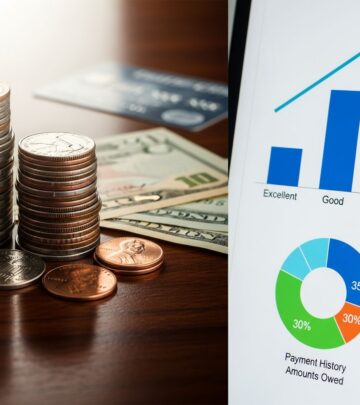
- On-Time Payments: If reported, consistent payments strengthen payment history, the largest FICO factor (35%).
- Low Utilization: Keeping balances below 30% of limits improves this 30% weighted factor, especially with high-limit business cards.
- Credit Mix Diversification: Adds variety, positively influencing 10% of scores without personal debt.
Risks That Damage Personal Credit
- Late Payments: Reported delinquencies tank scores for up to 7 years.
- High Utilization: Business spending spikes combined personal ratios, even if paid off monthly.
- Defaults and Collections: Personal guarantees ensure these hit individual reports severely.
One late payment can drop scores 60-110 points, per FICO data, underscoring vigilance.
Building and Protecting Your Credit Simultaneously
Separate finances strategically while nurturing both profiles.
Steps to Minimize Negative Impacts
- Review issuer reporting: Opt for non-reporting cards if personal isolation is priority.
- Pay early: Automate payments before statement closing to report $0 balances.
- Monitor utilization: Request limit increases; use multiple cards judiciously.
- Limit applications: Space out requests to avoid inquiry pileups.
Building Business Credit Independently
Establish a DUNS number, open vendor trade lines, and use cards reporting to business bureaus like Dun & Bradstreet. Over time, strong business scores unlock corporate cards without personal ties.
Real-World Scenarios and Outcomes
Consider a freelancer with $10,000 monthly revenue. A business card with $20,000 limit, used at 20% utilization and paid fully, might subtly aid personal scores if reported positively. Conversely, missing payments amid cash flow dips triggers guarantee enforcement, slashing personal FICO by 100+ points.
Larger firms benefit from corporate cards: No personal checks, full company liability, preserving owner scores. Small owners must weigh trade-offs.
Frequently Asked Questions
Will every business card application check my personal credit?
Most do for small businesses, but corporate programs may not.
How long do hard inquiries stay on my report?
Two years visible, but score impact up to one year.
Can I remove a business card from my personal report?
Only if not reported routinely; delinquencies persist 7 years.
Does adding employees as users affect my score?
Primary account holder remains liable; user activity may influence if reported.
Are there business cards with no personal guarantee?
Rare for small businesses; more common in corporate settings.
Strategic Choices for Long-Term Financial Health
Evaluate cards by rewards, fees, and reporting transparency. Tools like annualcreditreport.com track personal effects; Nav or CreditSafe monitor business scores. Consult advisors for complex setups.
Ultimately, disciplined usage—treating business cards like personal ones—preserves both profiles. High-limit access aids cash flow without proportional personal risk if managed well.
References
- How does my business credit card impact my personal credit score? — Bankrate. 2024. https://www.bankrate.com/credit-cards/business/how-does-my-business-credit-card-impact-my-personal-credit-score/
- Does Your Business Credit Card Impact Your Personal Credit? — Citi. 2024. https://www.citi.com/credit-cards/understanding-credit-cards/does-business-credit-card-impact-personal-credit
- How Business Cards Affect Personal Credit Scores — Capital on Tap. 2024. https://www.capitalontap.com/en/blog/posts/do-business-credit-cards-affect-personal-credit-scores/
- Do Business Credit Cards Affect Personal Credit Score? — NerdWallet. 2024. https://www.nerdwallet.com/business/credit-cards/learn/do-business-credit-cards-affect-personal-credit-score
- Does a Business Credit Card Impact Personal Credit? — Chase. 2024. https://www.chase.com/personal/credit-cards/education/basics/does-business-credit-card-impact-personal-credit
- Do Business Credit Cards Affect Personal Credit? — Capital One. 2024-11-05. https://www.capitalone.com/learn-grow/business-resources/do-business-credit-cards-affect-personal-credit/
- Do business credit cards affect personal credit? — Brex. 2024. https://www.brex.com/spend-trends/corporate-credit-cards/do-business-credit-cards-affect-personal-credit
Similar Articles








Read full bio of Sneha Tete