Business Cards and Personal Credit: What You Need to Know
Understand how company credit cards affect your personal credit score
Many professionals wonder whether the credit cards issued by their employers or businesses affect their personal credit standing. The answer depends on several factors, including the type of card, your role, and how the card issuer reports account activity. Understanding these distinctions can help you make informed financial decisions and protect your credit profile.
The Different Types of Company Credit Cards
Company credit cards fall into three primary categories, each with different implications for personal credit. Recognizing which type of card you have is the first step in understanding its potential impact on your financial profile.
Corporate Credit Cards from Large Employers
Corporate credit cards issued by large companies typically operate under a structure where the corporation assumes full liability for all charges. When you receive a corporate card from a major employer, the account is established in the company’s name rather than your personal name. This fundamental difference means that even though you may have your name printed on the card, the underlying account belongs to your employer, not to you.
Because the company is responsible for payment and the account isn’t reported under your personal information to consumer credit bureaus, this type of card has minimal impact on your personal credit score. Your employer handles all billing and payment obligations, creating a clear separation between business expenses and your personal credit history. This arrangement protects your credit while allowing you to access company funds for legitimate business purposes.
Small Business Credit Cards
Small business credit cards operate differently from corporate cards issued by large enterprises. When a business owner or manager opens a small business credit card in their name, the card issuer typically reports account activity to consumer credit bureaus. This reporting structure means that the card’s payment history, credit utilization, and other account details become part of the business owner’s personal credit record.
Most small business credit cards require a personal guarantee, making the account holder personally liable for all charges. This personal guarantee is a critical distinction—it means you’ve committed to repaying the debt even if your business cannot. From a credit perspective, this obligation makes the small business card function similarly to a personal credit card.
Personal Credit Cards Used for Business
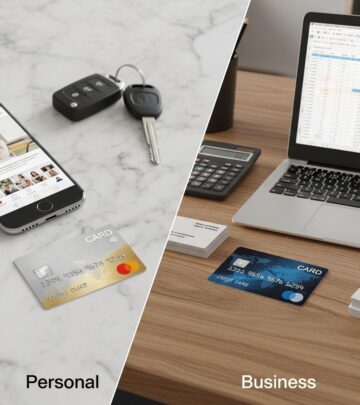
Some business owners choose to use personal credit cards for business expenses rather than opening dedicated business accounts. In these situations, the card functions exactly like any personal credit card and affects your credit score accordingly. High balances relative to your credit limit increase your credit utilization ratio, which can negatively impact your score.
When Company Cards Impact Personal Credit
Understanding the specific circumstances that trigger credit score impact is essential for managing your financial profile effectively.
The Application Process and Hard Inquiries
When you apply for a business credit card, the issuer typically conducts a hard credit inquiry into your personal credit history. This hard inquiry appears on your credit report and may lower your credit score by a few points temporarily. However, the impact is usually minimal and short-lived, with scores typically recovering within several months. Hard inquiries fall off your credit report after two years.
If you’re being added as an authorized user to an existing account, the card issuer may or may not run a hard inquiry, depending on their policies. This is an important distinction, as authorized user additions sometimes don’t trigger inquiries at all.
Personal Guarantees and Account Liability
The concept of a personal guarantee significantly affects how a business credit card impacts your personal credit. When you personally guarantee a business credit card account, you become legally responsible for repaying the full balance, including any charges made by employees authorized to use the card. This personal liability means that missed payments, late payments, or delinquent accounts can be reported to consumer credit bureaus under your name.
If payment issues arise and accounts become delinquent, those negative marks will appear on your personal credit report and damage your credit score. This is why it’s crucial to manage business credit card accounts responsibly, even if the charges are for business purposes rather than personal expenses.
Credit Utilization and Payment History
For business credit cards that report to consumer credit bureaus, your credit utilization ratio—the percentage of available credit you’re using—affects your personal credit score. A high utilization ratio signals financial stress to creditors and can lower your score. Similarly, your payment history on the business card becomes part of your personal credit history. On-time payments help your credit, while late or missed payments hurt it.
How Authorized Users Are Affected
Your position relative to the account determines whether you experience credit impact. Authorized users occupy a different position than primary account holders.
Authorized Users on Corporate Accounts
If you’re an authorized user on a corporate credit card account maintained by a large employer, your personal credit score remains unaffected. The account belongs to the company and is reported under the company’s business credit profile, not your personal credit profile. Your usage of the card and the company’s payment history on that account don’t appear on your personal credit report.
Authorized Users on Small Business Cards
The situation differs when you’re an authorized user on a small business credit card. If the card issuer reports account activity to consumer credit bureaus, they may report it under the authorized user’s name as well. This means late payments, high balances, and other account issues can affect your personal credit score even though you’re not the primary account holder.
The advantage of this arrangement is that positive account management—such as on-time payments and low utilization—can also benefit your credit score. However, you have limited control over account management if you’re an authorized user, making your credit vulnerable to the primary holder’s financial decisions.
Key Factors Determining Credit Impact
Several elements work together to determine whether and how much a company credit card affects your personal credit.
Card Issuer Reporting Practices
Not all card issuers report business credit card activity to consumer credit bureaus. Large financial institutions with corporate card products typically don’t report to consumer bureaus, while some business credit card issuers do. Some issuers, like Capital One, report to both consumer and business credit bureaus for certain cards. Checking with your card issuer about their reporting practices provides clarity on potential credit impacts.
Company Size and Card Structure
Large corporations typically structure corporate cards with company liability, meaning the employer assumes responsibility for all charges and payment obligations. Small businesses and startups may structure business cards differently, sometimes requiring personal guarantees from business owners. This structural difference is the primary driver of whether personal credit is affected.
Account Payment Status
The timeliness and consistency of payments on a business credit card determine whether account activity positively or negatively impacts personal credit. Accounts in good standing with regular on-time payments may improve your credit profile if reported to consumer bureaus. Conversely, even a single missed payment or consistent lateness can damage your credit score significantly.
Scenarios and Their Credit Implications
| Scenario | Card Type | Personal Credit Impact | Key Consideration |
|---|---|---|---|
| Employee with corporate card at large company | Corporate | Minimal to None | Company maintains account liability |
| Business owner with small business card | Small Business | Significant | Personal guarantee required |
| Authorized user on corporate card | Corporate | None | Account belongs to company |
| Authorized user on small business card | Small Business | Varies | Depends on issuer reporting practices |
| Business owner using personal card for business | Personal | Significant | Functions as personal credit card |
Protecting Your Personal Credit
Whether you’re a business owner or an employee, several strategies can help protect your personal credit when using company cards.
Understanding Your Card Agreement
Before accepting or applying for any business credit card, review the agreement carefully to understand liability structures and reporting practices. Look for information about personal guarantees, who is responsible for payment, and whether the issuer reports to consumer credit bureaus. This knowledge allows you to make informed decisions about account management.
Managing Credit Utilization
For business cards that report to consumer credit bureaus, keeping utilization low protects your credit score. Most financial experts recommend keeping balances below 30% of available credit limits. If you manage a business card with high spending requirements, this may be challenging, but working toward lower utilization ratios benefits your credit profile.
Maintaining Payment Discipline
Ensuring that all charges are paid on time is critical, regardless of the card type. Set up automatic payments or calendar reminders to prevent accidental late payments. If you’re an authorized user on a small business card, communicate with the primary holder about the importance of timely payments for your mutual credit benefit.
Requesting Authorized User Removal
If you’re concerned about a small business card’s impact on your credit and the primary holder won’t commit to responsible management, you can request removal as an authorized user. This removes the account from your credit report and eliminates its impact on your credit score.
Frequently Asked Questions
Does applying for a business credit card hurt my personal credit score?
Yes, the hard inquiry initiated during the application process typically lowers your score by a few points temporarily. The impact is usually minimal and recovery occurs within several months.
Can a corporate card from my employer damage my credit?
Corporate cards from large employers generally cannot damage your personal credit because the company, not you, is liable for the account. However, if the card requires a personal guarantee or you become delinquent, damage is possible.
What happens if my employer doesn’t pay the corporate card bill?
If the corporate card is structured with company liability and no personal guarantee, nonpayment by your employer won’t appear on your personal credit report. However, if you personally guaranteed the account, delinquencies could affect your credit.
Should I be concerned about being an authorized user on a business card?
Your concern level depends on the card type and issuer reporting practices. Corporate cards from large companies pose little risk. Small business cards may pose credit risk if the primary holder manages the account poorly and the issuer reports to consumer bureaus.
How can I improve my credit if a business card has hurt my score?
Focus on paying all bills on time, reducing credit utilization ratios on any reported accounts, and allowing negative information to age on your credit report. Negative items typically have diminishing impact over time.
Conclusion
The impact of a company credit card on your personal credit score depends primarily on three factors: the type of card, the structure of account liability, and the card issuer’s reporting practices to consumer credit bureaus. Large corporate cards issued by major employers generally pose no credit risk because companies maintain account responsibility. Small business credit cards, however, often require personal guarantees and report to consumer bureaus, making them function like personal credit cards from a credit perspective.
If you’re considering opening or using a business credit card, take time to understand the account structure, ask about the issuer’s reporting practices, and carefully review any personal guarantees. For employees receiving corporate cards, verify that the company maintains full liability for the account. By understanding these distinctions and managing accounts responsibly, you can use business credit cards effectively while protecting your personal credit profile.
References
- Does My Company Credit Card Affect My Credit Score? — Experian. 2025. https://www.experian.com/blogs/ask-experian/does-my-company-credit-card-affect-my-credit-score/
- Do Corporate Cards Affect Your Credit Score? — Ramp. 2025. https://ramp.com/blog/does-applying-for-a-charge-card-affect-your-credit-score
- Does Your Business Credit Card Impact Your Personal Credit? — Citi. 2025. https://www.citi.com/credit-cards/understanding-credit-cards/does-business-credit-card-impact-personal-credit
- Do Business Credit Cards Affect Personal Credit? — Chase Bank. 2025. https://www.chase.com/personal/credit-cards/education/basics/do-corporate-cards-affect-credit-score
- Do Business Credit Cards Affect Personal Credit Score? — NerdWallet. 2025. https://www.nerdwallet.com/business/credit-cards/learn/do-business-credit-cards-affect-personal-credit-score
- Do Business Credit Cards Affect Personal Credit? — Capital One. 2025. https://www.capitalone.com/learn-grow/business-resources/do-business-credit-cards-affect-personal-credit/
- Does A Corporate Credit Card Build Credit? — Brex. 2025. https://www.brex.com/resources/corporate-card-build-credit
Similar Articles








Read full bio of Sneha Tete