Business Cards and Personal Credit Impact
Discover how business credit cards can influence your personal credit score through inquiries, reporting, and guarantees—essential insights for entrepreneurs.

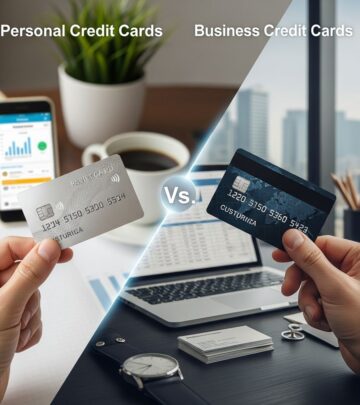
Business credit cards provide essential tools for managing company expenses, but they often intersect with personal finances in unexpected ways. Primarily, they can influence personal credit scores through application inquiries, selective activity reporting, and legal obligations like personal guarantees. Understanding these dynamics helps entrepreneurs make informed decisions to safeguard their financial health.
Understanding Credit Scores: Personal vs. Business
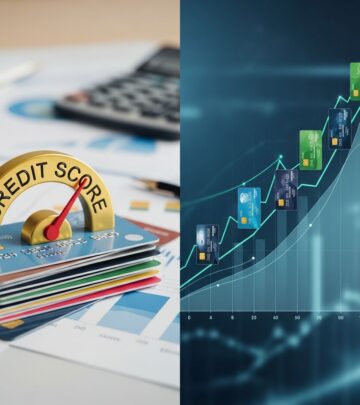
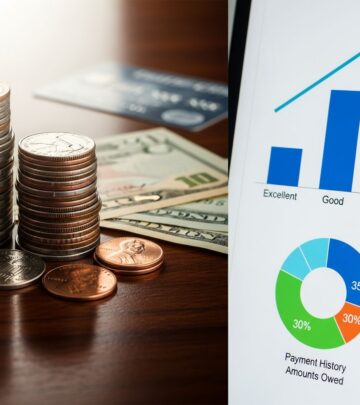
Personal credit scores, calculated by agencies like Equifax, Experian, and TransUnion, reflect an individual’s borrowing history using models like FICO or VantageScore. These scores range typically from 300 to 850 and factor in payment history (35%), amounts owed (30%), length of credit history (15%), new credit (10%), and credit mix (10%).
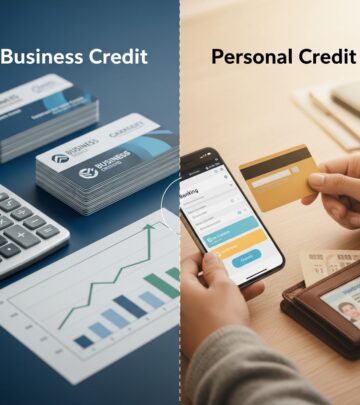
Business credit scores, issued by bureaus such as Dun & Bradstreet, Experian Business, and Equifax Business, evaluate company risk differently. They consider trade lines, payment patterns, public records, and company size, with scales varying from 0-100 to 0-300. Unlike personal scores, business scores standardize less across agencies, focusing on commercial payment reliability.
While distinct, these systems overlap for small businesses where owners provide personal backing, blurring lines between corporate and individual credit profiles.
The Application Process and Hard Inquiries
Applying for a business credit card triggers a hard inquiry on your personal credit report in most cases. Issuers review personal credit to assess risk, as small business approvals hinge on the owner’s history. This inquiry can lower your score by 5-10 points temporarily, lasting up to 12 months for scoring purposes and two years on reports.
Multiple applications amplify this effect, so timing matters. Scores rebound quickly if no further negatives occur. Corporate cards from providers like Brex or Ramp often skip personal checks, relying on business revenue and credit instead, avoiding inquiries altogether.
| Card Type | Personal Hard Inquiry? | Typical Eligibility |
|---|---|---|
| Standard Business Card | Yes | Personal credit, business revenue |
| Corporate Card (e.g., Brex, Ramp) | No | High revenue, incorporation |
Positive and Negative Reporting Practices
Most issuers do not report routine business card activity to personal bureaus, preserving separation. Positive habits like on-time payments and low utilization build business credit without personal impact.
However, delinquencies change this. Late payments (over 30 days), high utilization, or defaults prompt reporting to personal bureaus, damaging scores significantly. Negative marks persist up to 7-10 years.
- Non-Reporting Issuers: Routine use stays off personal reports; only severe issues appear.
- Full Reporting (e.g., Capital One): All activity, good or bad, affects personal utilization and history.
Capital One’s approach can boost personal scores with responsible use but risks harm from business volatility.
Personal Guarantees: The Hidden Liability
Nearly all small business cards require a personal guarantee, making the owner legally responsible for debts. This ties business performance to personal assets. If unpaid, collectors pursue the individual, leading to personal credit dings via judgments or collections.
Even without reporting, guarantees expose personal credit to business risks. Employee cards avoid extra checks but fall under the primary holder’s liability.
Key Factors Influencing Credit Impact
Several elements determine how deeply business cards affect personal credit:
- Utilization Ratio: High business balances reported to personal bureaus inflate overall utilization, ideally kept under 30%.
- Payment History: Timely payments enhance scores if reported; lates hurt profoundly.
- Account Age: Longer histories stabilize scores positively.
- Issuer Policies: Vary widely—check before applying.
Maintaining low balances and autopay mitigates risks across both profiles.
Corporate Cards: A Safer Alternative?
Corporate cards target established firms with strong revenue ($100K+ annually) and incorporation (e.g., C-Corp, LLC). Providers like Brex and Ramp issue cards without personal guarantees or credit checks, keeping business and personal credit fully separate.
These suit scaling companies but exclude startups or sole proprietors needing personal backing.
| Feature | Business Card | Corporate Card |
|---|---|---|
| Personal Guarantee | Required | Not Required |
| Personal Credit Check | Yes | No |
| Eligibility | Small biz, personal score | Incorporated, high revenue |
| Personal Impact | Possible | None |
Building Business Credit Independently
To minimize personal exposure:
- Establish a D-U-N-S number for Dun & Bradstreet tracking.
- Use vendor trade lines reporting to business bureaus.
- Pay invoices early for positive business history.
- Select cards reporting to business agencies like Experian Business.
Over time, strong business credit reduces reliance on personal guarantees.
Strategies to Protect Personal Credit
Proactive steps shield your score:
- Review Issuer Policies: Confirm reporting practices pre-application.
- Monitor Utilization: Pay balances monthly; avoid maxing limits.
- Set Alerts: Enable notifications for due dates.
- Separate Finances: Use dedicated business accounts.
- Build Business Profile: Aim for independent credit via net-30 accounts.
Regular credit monitoring via AnnualCreditReport.com or services spots issues early.
Common Myths Debunked
- Myth: Business cards never affect personal credit. False—guarantees and delinquencies do.
- Myth: All activity reports equally. No, mostly negatives or select issuers.
- Myth: Employees’ use is risk-free. Owner liable regardless.
Frequently Asked Questions
Will adding employees to my business card check their credit?
No, additional users tie to the primary account without separate inquiries.
Can business cards improve my personal score?
Yes, if reported positively—timely payments and low use help.
How long do inquiries stay on my report?
Two years visible, 12 months for scoring.
What if my business defaults?
Personal guarantee activates; debt hits your report via collections.
Are there cards with no personal impact?
Corporate options like Ramp for qualified firms.
Choosing the Right Card for Your Business
Evaluate rewards, fees, limits, and reporting alongside credit impact. For startups, low-risk business cards suffice; growing firms eye corporate alternatives. Responsible use across types strengthens both credits long-term.
References
- Do Business Credit Cards Affect Personal Credit Score? — NerdWallet. 2024. https://www.nerdwallet.com/business/credit-cards/learn/do-business-credit-cards-affect-personal-credit-score
- Does Your Business Credit Card Impact Your Personal Credit? — Citi. 2024. https://www.citi.com/credit-cards/understanding-credit-cards/does-business-credit-card-impact-personal-credit
- Do Business Credit Cards Affect Personal Credit? — Capital One. 2024-11-05. https://www.capitalone.com/learn-grow/business-resources/do-business-credit-cards-affect-personal-credit/
- How does my business credit card impact my personal credit score? — Bankrate. 2024. https://www.bankrate.com/credit-cards/business/how-does-my-business-credit-card-impact-my-personal-credit-score/
- Can a business credit card hurt your personal credit score? — Business Insider. 2024. https://www.businessinsider.com/personal-finance/credit-cards/does-business-credit-affect-personal-credit
- Does a Business Credit Card Impact Personal Credit? — Chase. 2024. https://www.chase.com/personal/credit-cards/education/basics/does-business-credit-card-impact-personal-credit
- Do business credit cards affect personal credit? — Brex. 2024. https://www.brex.com/spend-trends/corporate-credit-cards/do-business-credit-cards-affect-personal-credit
Similar Articles








Read full bio of medha deb